Durban: Where to stay and what to do in KwaZulu-Natal's vibrant coastal city
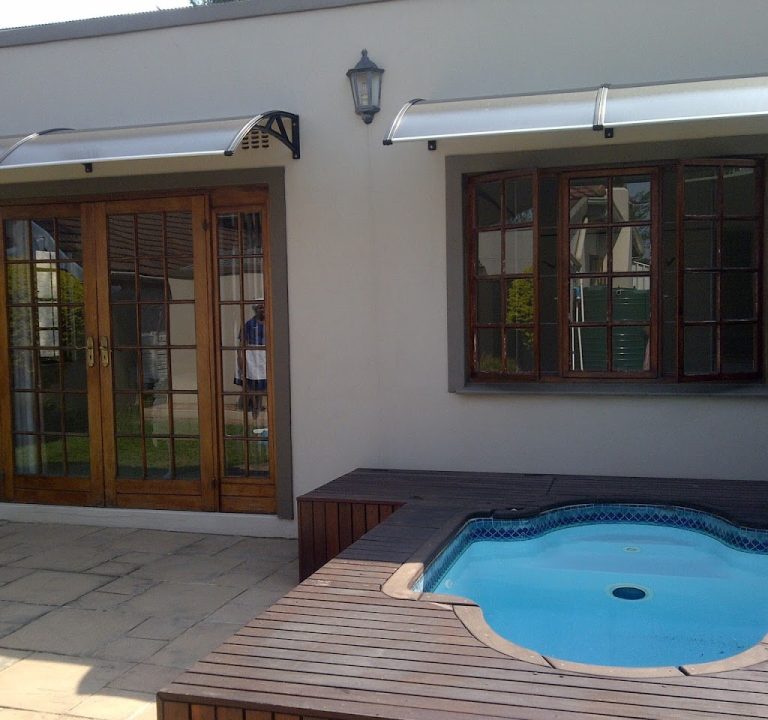
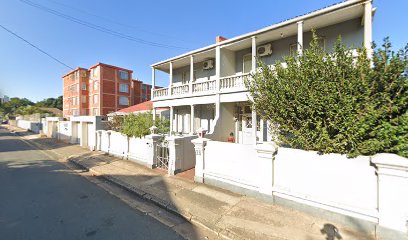
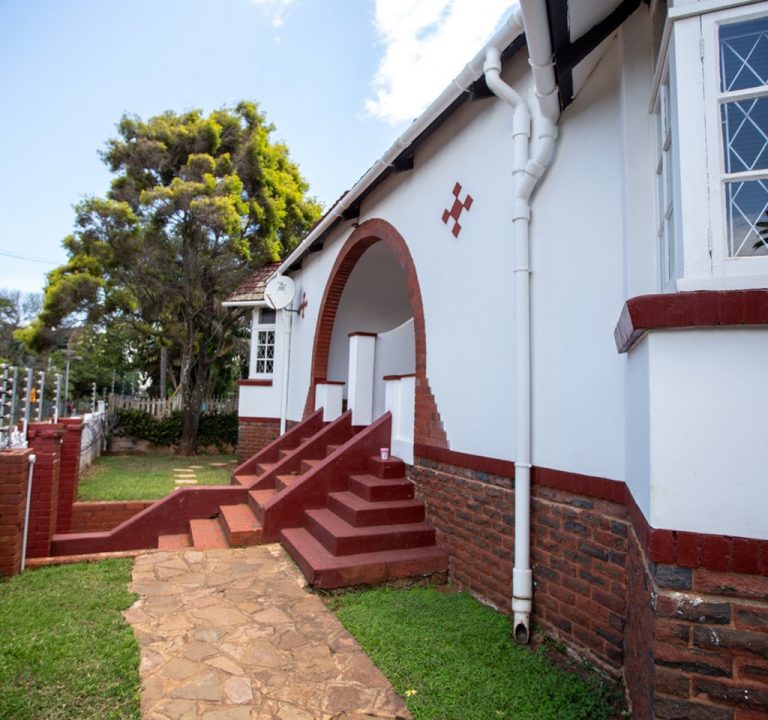
Durban sits along the golden Indian Ocean, blending subtropical climate with a cosmopolitan spirit. When planning a stay, many visitors first weigh neighbourhoods that offer easy access to the beachfront, eateries, and quieter residential streets. The surrounding hills and inland valleys add scenic day trips, so it’s common to choose a base that suits both relaxed mornings and breezy evenings by the sea. For guests seeking characterful stays, a guesthouse such as Beechwood B&B provides a window into Durban life—often with personalised service, comfortable rooms, and breakfast that sets you up for the day ahead.
Areas to consider include the beachfront belt and its extensions, such as the Golden Mile and sunny promenade, which are ideal for morning jogs, sunset strolls, and access to beaches and cafes. Morningside and Berea offer leafy streets, boutique shops, and convenient connections to central Durban, while Umhlanga Rocks provides a more resort-like atmosphere with a shoreline focus and easy access to modern dining and shopping. For a quieter vibe and easy access to nature, the southern suburbs and the Midlands offer tranquil guesthouse stays with hill views and access to nature reserves or scenic drives.
When booking a stay, look for a few straightforward essentials that elevate comfort without clutter. Room en-suites or well-appointed shared facilities, reliable Wi‑Fi, secure parking or easy parking access, and a helpful reception or host are worth prioritising. A strong breakfast offering, thoughtful extras (such as beach towels, umbrellas, or local tips), and clear policies on check‑in times minimise any daily frictions. If you’re travelling with family or a group, check whether the property is family-friendly, has flexible bed configurations, and offers cots or extra mattresses where needed.
Typical amenities you’ll come across in Durban guesthouses and hotels include air‑conditioning or fans for the subtropical warmth, clean en-suite bathrooms, and tea and coffee facilities in the room. Many properties place emphasis on a welcoming communal area—such as a veranda, garden, or lounge—where guests can mingle or relax after a day exploring. On-site parking, lifts in multi-storey buildings, and safe access are practical considerations, particularly if you’re travelling by rental car or planning day trips to outlying areas.
Transport in Durban is well served by a network of taxis, ride-hailing options, and bus routes. If you plan to explore beyond the city centre, a car can be convenient for visiting inland attractions like the Valley of a Thousand Hills or the KwaZulu-Natal coastline’s quieter coves. Many guesthouses arrange or can recommend trusted transfer options, while central hotels often provide shuttle services to major sights or the airport. Consider how close your base is to the streets of the Golden Mile, the central business district, or a major railway station if you prefer not to drive.
The best time to visit Durban is guided by its subtropical climate. Summers (December to February) are warm and humid, with late-afternoon showers common, making the beach extremely appealing. Winter (June to August) is dry and mild, a comfortable time for outdoor activities and city strolls without the heat of peak summer. Shoulder seasons can be particularly pleasant, with fewer crowds and pleasant temperatures for exploration and dining al fresco. If you’re seeking vibrant markets, cultural festivals, or outdoor music events, plan your trip around the city’s seasonal calendars and public happenings.
Practical tips to help you enjoy your Durban stay include staying hydrated in the heat, wearing sun protection, and keeping a light waterproof layer in case of summer showers. Pack a light scarf or cover-up for sea breeze evenings, especially along the beachfront. When planning day trips, build in buffer time for traffic and for enjoying slower, coastal drives rather than rushing between sights. Always check the local advisories for safe swimming areas and heed lifeguard guidance on beaches. If you’re organising perishable groceries or specific dietary needs, a kitchen-enabled guesthouse or self-catering option can be convenient, but a well-reviewed breakfast-inclusive property often balances comfort with lower daily planning.
- What to look for when booking: location suitability, room configuration, comfort and cleanliness, flexible terms, and clear guest guidance.
- Transport planning: proximity to major routes or public transport, parking availability, and ease of access to beaches and city sights.
- Seasonal considerations: weather expectations, daylight hours, and local events that could affect prices and crowds.
Durban offers a mix of relaxed residential charm and lively urban experiences, with a welcoming hospitality scene that ranges from intimate guesthouses to contemporary hotels. In terms of attractions, guests typically enjoy panoramic coastal views, sanatorium-era gardens, and cultural spaces that reflect the KwaZulu-Natal heritage. Dining scenes tend to be diverse, with markets, seafood spots near the shore, and contemporary eateries offering a fusion of flavours. For planning purposes, select a base that aligns with your preferred pace—whether you want to stroll along the promenade between meals or embark on scenic day trips into the nearby hills and valleys. Useful resources include Durban’s official tourism pages and property-specific guides, which can provide updated details on local events, transport options, and area highlights to tailor your stay.