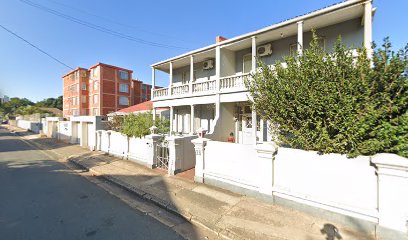
Durban: a vibrant mix of beaches, culture and comfortable stays
Durban, the coastal city of KwaZulu-Natal, offers a warm welcome for travellers seeking a relaxed beach break with easy access to urban amenities and natural scenery. When planning a stay, think about which neighbourhood will best suit your pace and interests. Coastal pockets such as Umhlanga and the Golden Mile deliver easy beach access and modern hospitality, while the central and historic suburbs provide a more intimate, leafy ambience with boutique stays and guest houses. For a calmer atmosphere close to parks and residential streets, consider inland districts such as Morningside or Glenwood, where guest houses and small hotels often combine comfort with convenient transport links.
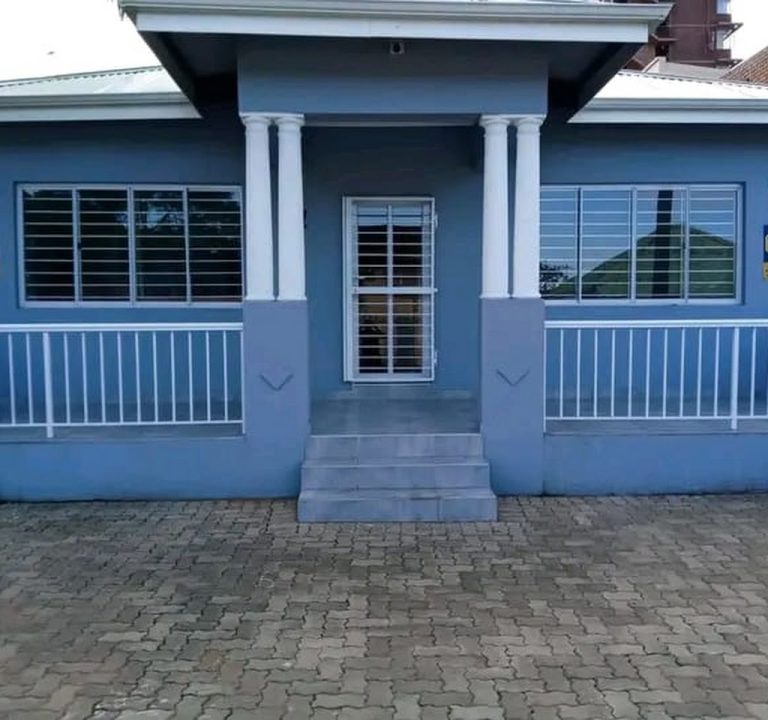
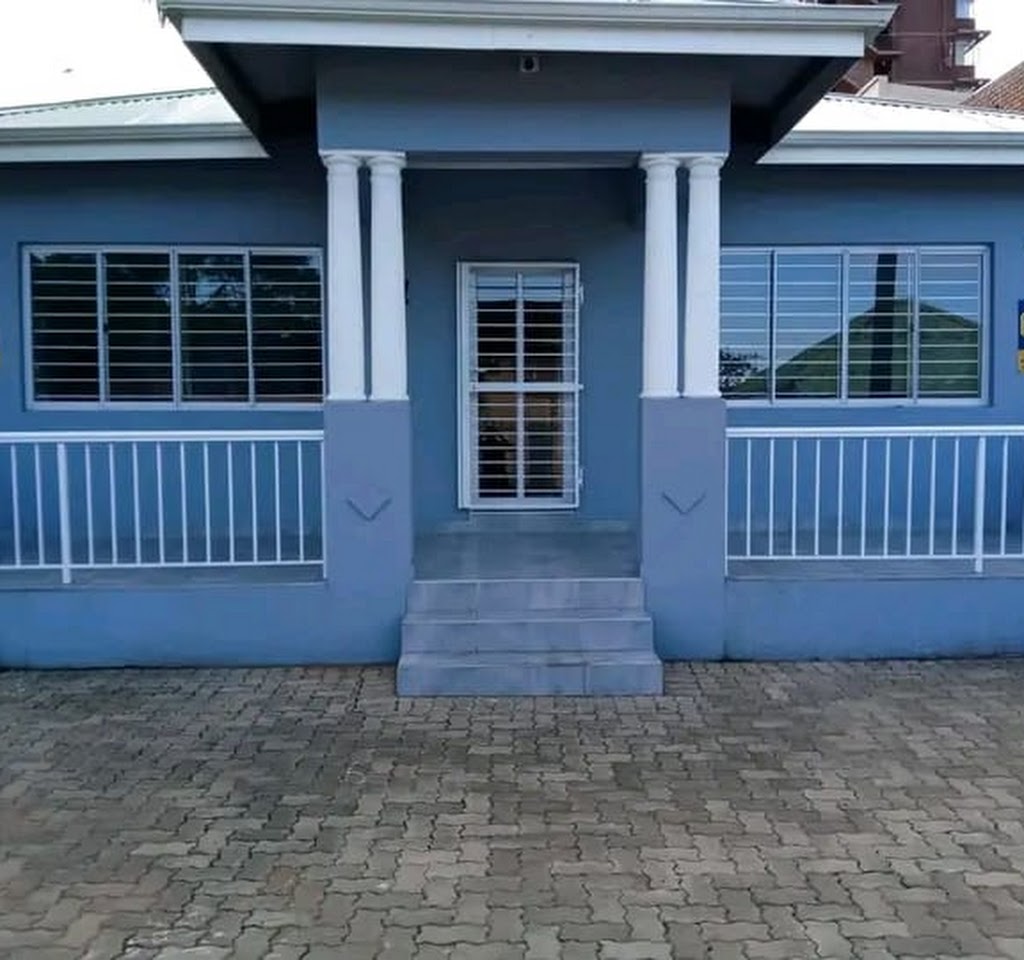
Accommodation in Durban ranges from traditional BnBs and guest houses to contemporary boutique hotels and self-catering flats. A standout feature of many Durban properties is a warm, hospitable approach with generous breakfasts and a ready mix of local tips. If you are staying at a guest house such as KLARKINN GUESTHOUSE or similar neighbourhood options, you can typically expect well-appointed rooms, private or en-suite bathrooms, and communal spaces that invite mingling with fellow travellers. Look for properties that offer secure parking, on-site parking, or easy street access, especially if you are driving to explore the region.
What to look for when booking:
- Location relative to attractions you plan to visit, and proximity to public transport or main roads.
- Room configurations and privacy, particularly if travelling as a small family or a group.
- Quality of breakfast service, including the option for take-away or early starts if you have day trips planned.
- Access to Wi‑Fi, air conditioning or fans, and reliable hot water and heating for shoulder seasons.
- Security features such as secure entry, well-lit common areas, and, where relevant, a staffed reception.
- Cancellation policies and seasonal pricing, as Durban experiences distinct peak periods around holidays and school breaks.
Typical amenities you may encounter include free Wi‑Fi, private or shared lounges, gardens or outdoor terraces, and self-catering facilities in some units. Many properties also offer helpful guest services such as luggage storage, guided recommendations for day trips, and bicycles for local exploration. If you need more social interaction, guest houses often host communal breakfasts or evening gatherings, which can be a pleasant way to connect with other travellers and learn about hidden gems from local hosts.
Transport is straightforward in Durban. The MyCiTi bus network serves popular routes across the city, while Uber and other ride-hailing services are widely available. If you plan to venture to beachfront areas, the Golden Mile, or the harbour waterfront, consider staying within a short walk of the coast or near a major tram or bus corridor. For day trips to the Valley of a Thousand Hills or inland reserves, a rented car offers the most flexibility, though guided tours run from several central hubs if you prefer a set itinerary.
The best time to visit Durban depends on what you want from your trip. The city enjoys a sub-tropical climate with warm, humid summers and mild, dry winters. Peak beach season tends to be from December through February, when school holidays and public events bring extra activity to the waterfront and coastal restaurants. If you favour quieter streets and lower humidity, consider the autumn months (March to May) or the shoulder seasons in late spring (October to November). Remember that summer thunderstorms can be frequent in the late afternoon, so plan outdoor activities with some flexibility.
Attractions and experiences in Durban cover oceanfront strolls, family-friendly marine attractions, and cultural encounters. You can expect a mix of public parks, promenades, and significant coastal landmarks that are easy to access from central Durban or the beachfront districts. For a balanced itinerary, plan a day by the sea, paired with a stroll through the city’s parks and markets, and a slower evening sampling regional cuisine at a few approachable restaurants. While exact names or prices are not specified here, most visitors enjoy the calm of a beachside morning, followed by a riverside or harbourfront walk and an afternoon coffee break in a friendly café with local character.
Practical tips for a smooth Durban stay:
- Book in advance for peak season and consider a stay longer than a weekend to truly appreciate the city’s rhythms.
- Pack light layers, a sun hat, sunscreen and a compact umbrella; coastal conditions can bring sudden changes in weather.
- When planning day trips, check opening hours for parks and reserves, and start early to avoid midday heat or crowds.
- Choose accommodation with clear access to major routes or public transport to minimise travel time around the metropolitan area.
- Respect local etiquette and cultural norms, particularly in residential areas around guest houses and smaller BnBs.
Whether you want a stylish base near the coast or a friendly, home-from-home experience inland, Durban offers options that blend comfort with easy access to beaches, parks and the city’s lively dining scene. For a personalised stay, look for small guest houses or family-run properties that can offer local recommendations, flexible arrangements, and a sense of place that goes beyond a standard hotel experience.