Discover Durban: where to stay and what to do in KwaZulu-Natal
Durban, perched on the subtropical east coast of South Africa, offers a welcoming mix of sunny beaches, cultural heritage, and vibrant street life. When planning a stay, it helps to think about the kind of experience you want: seaside rests with easy access to the promenade, leafy streets close to colonial architecture, or a lively, cosmopolitan neighbourhood with plenty of dining options. Durban’s accommodation spectrum ranges from guest houses and guest-slip B&Bs to boutique hotels and self-catering apartments, each with its own character and set of conveniences.
Areas to consider include the beachfront and Golden Mile for easy strolls along the sea and convenient access to beaches, restaurants, and the promenade. The Berea offers a central location with a mix of older charm and modern comforts, while Morningside and Windermere provide quiet tree-lined streets and a short drive to both city sights and coastal paths. For a more resort-like atmosphere, Durban North and Umhlanga offer a coastal village feel with nearby conveniences. When selecting a place to stay, consider proximity to the attractions you plan to visit, as traffic in peak season can be busy and parking is often limited in busy districts.
Typical amenities you might expect include en-suite bathrooms, air conditioning or ceiling fans, reliable Wi-Fi, secure parking, and a generous breakfast service. Guest houses in Durban frequently pride themselves on personal touches—like locally sourced breakfast options, guest library corners, or small garden seating areas. Self-catering flats or boutique apartments provide kitchen facilities and more flexible schedules, which can be convenient for families or longer stays. When evaluating a booking, ask about soap and towel service, laundry options, and whether the property offers a pool or shaded outdoor seating, which can be particularly welcome in Durban’s warm climate.
Transport is a practical consideration. If you do not plan to hire a car, look for properties within easy reach of taxi or rideshare services, and near major routes or transit hubs. Many guest houses and hotels in Durban provide parking, and some are within easy walking distance of beachfront paths or vibrant neighbourhood centres with cafés and markets. If you are driving, check the parking arrangement—whether off-street spaces or secure compounds—and ask about access hours if you have late arrivals. For day trips, consider how you will move around: popular coastal towns nearby, the inland hills, and wildlife experiences can be reached by organised tours or a rental vehicle, depending on your itinerary and comfort level with driving in the area.
Best time to visit Durban depends on what you’re after. The city enjoys a subtropical climate, with hot summers and mild winters. Beach days are most enjoyable in late spring through early autumn, but the cooler, drier months can be comfortable for exploring the city’s markets, museums, and historic sites. If you are keen on outdoor activities, plan for dry periods and check the local events calendar for cultural festivals or markets, which can enrich your stay. Off-peak periods may bring calmer streets and more personalised service from accommodation hosts, while peak season offers buzzing energy and a wider choice of dining and entertainment options.
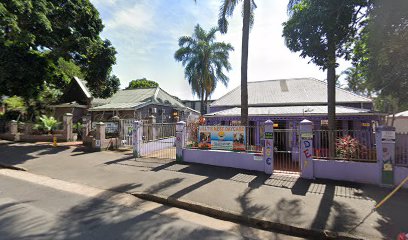
For accommodation, consider staying in a guest house such as Elizabeth Guest House, which may offer a more intimate, home-from-home experience with a focus on friendly, personalised service. Guest houses in Durban often provide a comforting balance between privacy and hospitality, with hosts happy to share tips on local dining and accessible attractions. When booking, clarify what is included in the rate—breakfast options, daily housekeeping, and any extras like kitchen use or guest lounge access. Review guest feedback for tips on noise levels, neighbourhood safety, and the ease of arrival late at night.
Attractions and experiences in and around Durban are rich and varied without needing to overplan. You can stroll along sea-facing promenades, explore memorials and museums that tell the story of the region, or wander through markets where crafts and street food capture the local flavour. Durban’s coastal setting also means water-based activities are often available, from gentle harbour cruises to beginner-friendly surf lessons or family-friendly beach days. Dining experiences range from casual seaside eateries to more refined restaurants that highlight regional produce and flavours. In terms of planning, pick one or two anchors—such as a long beach morning followed by a museum afternoon or a guided city walk—and leave room for serendipitous discoveries along the way.
Practical tips to help you enjoy a smooth stay: book ahead during peak holiday periods, especially in coastal months; confirm cancellation terms and whether breakfast or self-catering is included; and check accessibility features if required. Pack light but versatile clothing for warm days and cooler evenings, along with sun protection and a reusable water bottle for outdoor explorations. If you are travelling with family, look for accommodations with child-friendly spaces, such as safe play areas or well-maintained gardens. Finally, keep a digital map handy and save local restaurant suggestions and walking routes to maximise your time, whether you are winding down by the sea or exploring the city’s historic heart.