Durban, KwaZulu-Natal: Accommodation, Attractions and Practical Planning for a Visitor
Durban offers a vibrant mix of beachfront charm, subtropical greenery and a city-within-a-city feel. When planning a stay in this coastal metropolis, think about what kind of experience you want—glamorous seafront, easy access to city culture, or a quieter suburban base with convenient transport links. Durban is well suited to travellers who value relaxed hospitality, diverse dining, and easy access to the coast and inland scenery.
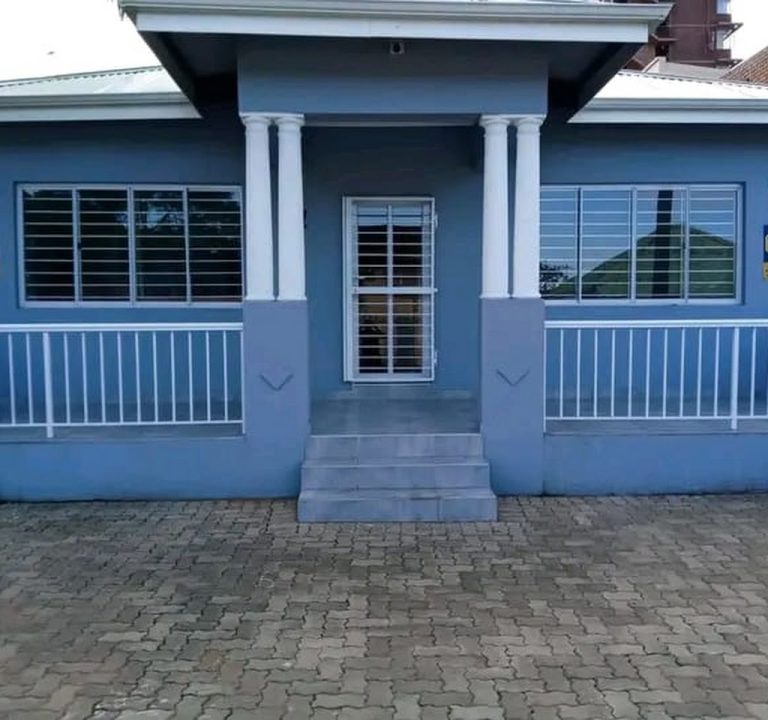
Accommodation in Durban ranges from stylish hotels near the Golden Mile to welcoming guesthouses tucked away in leafy suburbs. A notable example is Franque Lodge, an option that demonstrates the range of choices available—from boutique-style rooms to comfortable en-suite facilities. Whether you prefer a modern high-rise hotel with a spa, a cosy guesthouse in a tree-lined suburb, or a self-catering apartment near the harbour, there are choices to suit different budgets and length of stay. When selecting where to stay, consider proximity to the beach, access to public transport, and whether you’ll rely on a hire car for day trips.
Key areas to consider:
- Umhlanga and Umhlanga Ridge: upscale neighbourhoods with lovely beaches, promenades and easy access to major roads.
- The Golden Mile and the Durban Beachfront: a lively hub for walkers, joggers and families, with ocean views and direct access to several attractions.
- Berea and Morningside: leafy residential zones close to museums, parks and a range of dining options.
- Durban CBD: convenient for cultural experiences, markets and historic architecture, with boutique hotels andguesthouses nearby.
- Kloof and the northern escarpment: a cooler, more rural feel with verdant scenery and shorter trips to inland attractions.
What to look for when booking a place to stay in Durban? Start with location relative to the activities you have in mind. If you want long beach days, a stay near the promenade makes sense. If you plan to explore city museums and markets, a central base or a well-connected suburb is practical. Check access to parking if you’re driving, or confirm proximity to reliable public transport. Look for practical amenities such as secure parking, reliable wi‑fi, air conditioning, and a well-equipped kitchenette if you’re considering self-catering. A good breath of local hospitality can be found in guesthouses and smaller hotels, where hosts can offer personalised tips for navigating the city and surrounding attractions.
Typical amenities you might encounter include free wifi, on-site dining options or easy-access cafés, secure parking, daily housekeeping, and front-desk support for arranging local tours or transfers. Some properties offer complimentary breakfast, while others provide kitchen facilities or lounge areas where guests can relax after a day of sightseeing. In Durban, many hotels and guesthouses also highlight eco-conscious practices and responsible tourism, which can be a plus for travellers seeking to minimise their footprint.
Transport and getting around are straightforward, though the best option depends on your plans. Durban has a coastline-based appeal, so you may want to stroll the promenades and beaches, but for wider exploration you’ll likely rely on a hire car or a taxi/ride-hailing service. If you don’t plan to drive, look for properties near reliable public transport links or offering organised tours to nearby attractions. From many bases, day trips to inland attractions, nature reserves, or coastal towns can be organised through the accommodation or a trusted local operator, making it easier to manage time and logistics.
The best time to visit Durban is linked to the climate and local events. Durban enjoys a warm, subtropical climate with hot summers and mild winters. The summer season (roughly October to March) brings higher humidity and frequent afternoon showers, which often pass quickly and leave the coast lush and vibrant. Winter (May to August) is milder and usually dry, which can be ideal for outdoor explorations without the heat. Shoulder seasons may offer a good balance of pleasant weather and quieter attractions. If you’re hoping to combine a beach break with sightseeing, plan for flexible days to accommodate the occasional shower or heat spike.
Practical tips to help you make the most of a Durban stay:
- Pack sun protection, a light rain layer and comfortable walking shoes for day trips along the coast and in the city’s parks and markets.
- Set aside time to explore both the beachfront precinct and inland suburbs, where you’ll find markets, craft shops and cafés with a distinctly KwaZulu-Natal flavour.
- Budget for safety and comfort—use reputable transport options and secure parking when possible.
- Respect local cultural norms and support community-focused experiences where appropriate, which can enhance your understanding of the area.
- Check cancellation policies and whether the booking includes access to amenities such as a pool, gym or on-site dining, particularly if you’re travelling during peak periods.
Durban’s attractions offer a well-rounded experience for visitors. Visitors can expect days spent alongside the warm Indian Ocean, with opportunities to unwind on sandy beaches, stroll coastal promenades, and sample a spectrum of cuisines in scattered enclaves across the city. When planning meals, you’ll encounter a diverse dining scene that reflects the region’s coastal, Indian and African influences. This blend of experiences—natural beauty, comfortable accommodation, and a welcoming hospitality network—helps make Durban a versatile base for a south-eastern South African stay.
For more information on specific accommodation options and practical planning, visiting the shown properties’ websites is recommended. Durban welcomes guests with a blend of warmth, culture and coastal charm that makes it a distinctive destination for short breaks and longer stays alike.