Exploring Johannesburg: Where to stay, what to do, and how to plan your visit
Johannesburg, often simply called Jo’burg or Jozi, is a vibrant gateway to Gauteng’s culture, history and contemporary urban life. With a mix of stylish boutique hotels, welcoming guesthouses, and purpose-built group accommodation, the city offers options for every kind of traveller. When planning a stay, consider where you want to be based, what kind of experience you value, and how you’ll get around.
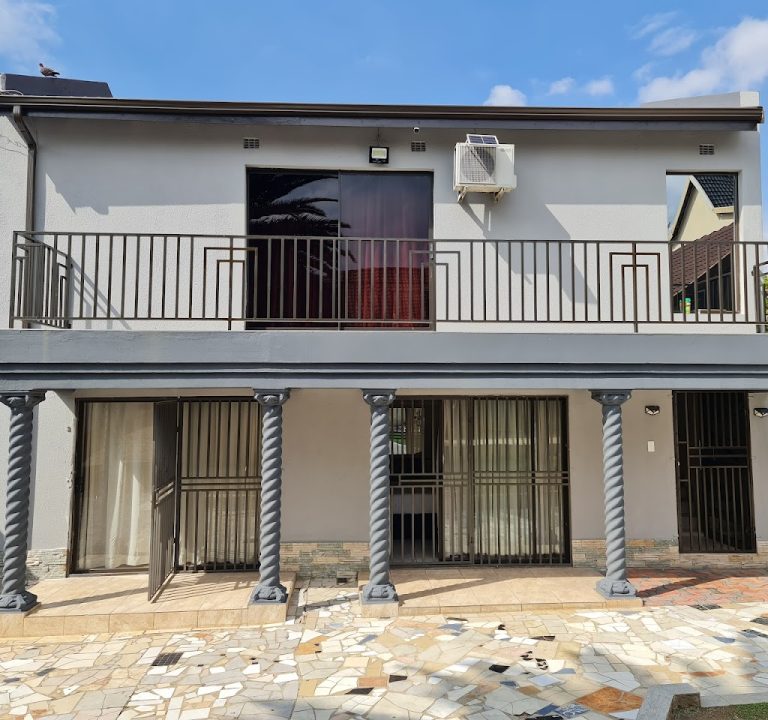
Popular areas to consider include central Johannesburg for access to business districts, museums and nearby markets; Rosebank and Sandton for upscale shopping and dining, plus easy access to highways; and Maboneng or Braamfontein for a more hip, walkable city-centre vibe with cafés, street art and nightlife. For a quieter escape while staying convenient to city highlights, look for lodgings in suburban suburbs with strong transport links or in well-connected guesthouses just outside the core. If you’re travelling with a group, dedicated group accommodation such as Sleep Haven can offer shared spaces and private suites, helping to keep costs predictable while providing communal areas for socialising.
When booking, think about the practicalities. Check the distance to the main sights you plan to visit, as well as access to reliable taxi or ride-hailing services and convenient public transport options. Look for clear information on parking if you’re driving, or reliable airport transfers if you’re arriving by plane. Read reviews focusing on safety, cleanliness and the responsiveness of the host or property manager. If you’re travelling during peak seasons, such as school holidays or major events, book well in advance to secure the best options and rates.
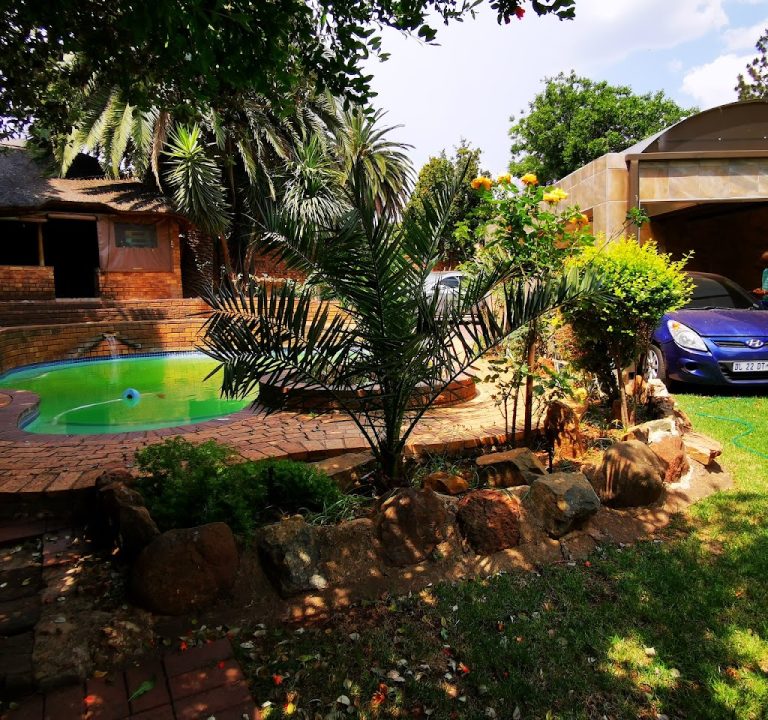
Typical amenities to expect in Johannesburg accommodation include free Wi‑Fi, secure parking, and 24-hour reception or on-site staff. Many places offer inclusive breakfast or kitchen facilities for self-catering, which can help manage costs during longer stays. For comfort, seek air conditioning or good ventilation, particularly in the warmer months. In group properties, look for flexible layouts, common living areas, sufficient bathrooms, and a layout that can partition privacy from shared spaces. If you value wellness and downtime, some properties provide on-site lounges, outdoor spaces and limited gym or pool access.
Transport is central to enjoying Johannesburg. The city operates a wide road network with highways linking to the Northern and Southern suburbs, the airport, and regional attractions. Within the city, Uber and other ride-hailing services are commonly used and convenient, while some areas boast reputable local taxis or shuttle services. If you’re comfortable driving, ensure your accommodation has parking and that you are aware of local traffic patterns and peak times. For a more local experience, you can use city routes and hop-on services linked to major sights, though it’s worth noting that some routes are best explored with a plan for safety and time.
The best time to visit Johannesburg is generally during the South African autumn (March to May) or spring (September to November), when temperatures are comfortable and crowds are more manageable. Summers can be hot and humid with afternoon showers, while winters are mild to cool and drier. If you’re planning outdoor visits or day trips to nearby nature reserves, consider the climate for walking plans and necessary layers. For those interested in cultural offerings, weekends and public holidays often bring markets, street performances and special events, which can add an extra layer of atmosphere to your stay.
Attractions in and around Johannesburg span history, art, food and nature. Within the city, you’ll find major museums and heritage sites that illuminate South Africa’s past, alongside contemporary galleries and vibrant neighbourhoods that celebrate street art, design and cuisine. Outside the urban core, nature reserves, parks and nearby towns offer day trips that reveal the broader Gauteng region. When planning visits, it’s wise to pair a few city highlights with a relaxed day in a quieter suburb or a short drive to a scenic area.
Dining in Johannesburg runs from cosmopolitan eateries to casual bistros and markets that showcase local produce and flavours. Expect a mix of modern fusion, traditional favourites, and international options. The city’s neighbourhoods each bring their own character, from chic urban spots to family-run eateries with warm service. If you’re organising a food-focused stay, consider an itinerary that balances a couple of well-regarded places with independent cafés, street-food corners, and markets where you can sample artisanal crafts and snacks.
- Choose accommodation based on balance between privacy and social spaces for groups, especially if you’re using a dedicated group option like Sleep Haven.
- Prioritise safety: stay in well-reviewed areas, use reputable transport options after dark, and keep valuables secure.
- Plan a flexible itinerary that combines indoor cultural experiences with outdoor exploration, allowing for weather variations.
- Book in advance during peak periods to secure preferred rooms and rates, and check cancellation policies carefully.
Finally, a practical tip for planning your stay is to map out your days around a core neighbourhood and branch out to nearby pockets of interest. This approach minimises long commutes and helps you experience Johannesburg’s energy in manageable segments. Whether you’re visiting to explore the museums and markets, to soak up the art and food scenes, or to use the city as a base for broader Gauteng sightseeing, Johannesburg offers a welcoming mix of accommodation, transport options and experiences that can suit a wide range of travellers.