Johannesburg: Where to stay, what to do, and practical tips for visitors
Johannesburg, Gauteng’s dynamic hub, offers a diverse range of accommodation from intimate bed and breakfasts to contemporary lodges and stylish hotels. When planning a stay, consider which neighbourhood will best suit your interests, whether you’re chasing culture, food scenes, lively nightlife, or easy access to business and transport links. A stay near major gateways such as city centres, Sandton, Rosebank, or Braamfontein can reduce transit time and unlock more time for exploring the city’s highlights.
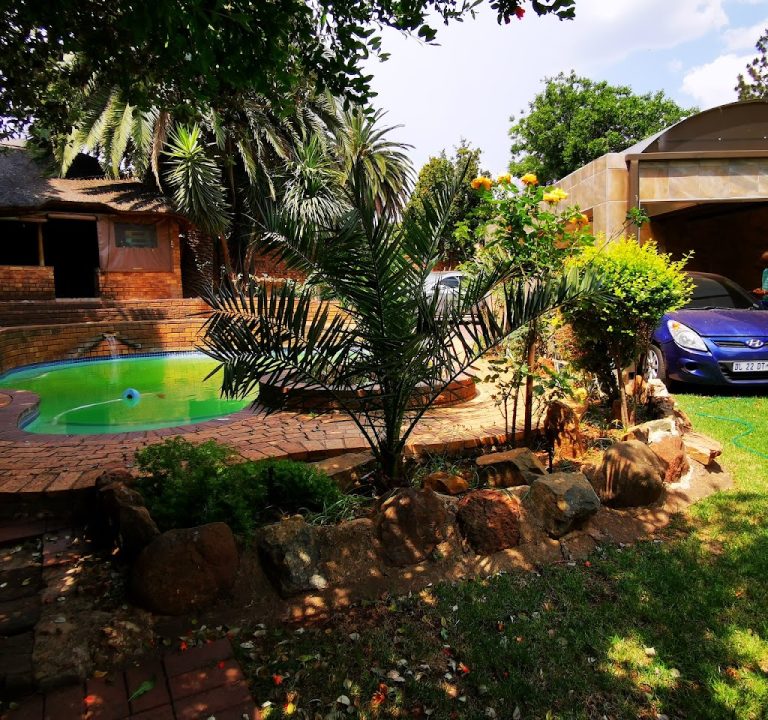
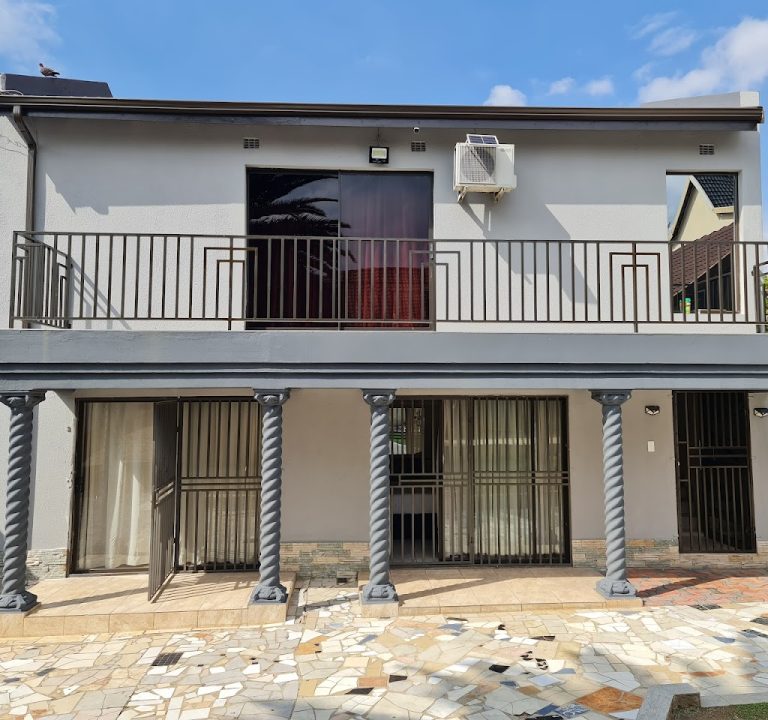
One example of a welcoming option is Kgabo Bed and Breakfast, a lodge-style accommodation that often appeals to travellers seeking a warm, home-from-home feel with a personal touch. When researching similar properties, look for guest rooms with en-suite facilities, reliable Wi‑Fi, secure parking, and the option of breakfast on site. While you plan, keep an eye on how easy it is to reach public transport hubs, as Johannesburg’s traffic can be heavy, especially during peak hours.
Essentials to check when booking include the size of the property and the daily housekeeping style, whether the property offers conference facilities or workspaces if you’re visiting for business, and the availability of 24‑hour reception or on-site staff who can assist with local information. If you’re sensitive to noise or prefer a quiet retreat, ask about room location relative to streets and common areas. Booking platforms often reveal guest reviews that highlight the consistency of service, cleanliness, and the responsiveness of hosts or management.
Johannesburg is known for its vibrant cultural and culinary scenes. While you shouldn’t rely on anyone site for every suggestion, you can expect a mix of traditional South African taverns, modern eateries, and internationally influenced dining. Beyond meals, the city offers a spectrum of experiences—from museums and galleries to markets and botanical spaces. If you’re staying in an urban district, you’ll likely encounter food markets, pop‑ups, and coffee shops that become convenient hubs for informal meetings or relaxed afternoons after a day of sightseeing.
Transport in Johannesburg can be straightforward or adventurous depending on your route. The Gautrain provides fast, reliable rail links to Sandton, Pretoria, and OR Tambo International Airport, making day trips feasible. Local taxis, ride‑hailing apps, and minibus taxis offer additional flexibility, though it’s wise to plan longer journeys during daylight hours in busy areas and to avoid isolated routes late at night. When staying in central or northern hubs, you’ll typically find short walks to cafés, pharmacy services, and convenience stores, which can be a practical way to settle into your base after a long flight.
Best time to visit Johannesburg is influenced by climate rather than a single season. The city enjoys warm summers with summer storms and cooler, dry winters. Spring and autumn are typically pleasant for outdoor activities, with comfortable temperatures suitable for mornings at gardens, parks, or outdoor markets. If you’re keen on cultural festivals and live music events, align your stay with festival calendars, bearing in mind that accommodation rates may fluctuate during peak periods.
To help structure your stay, consider these practical planning tips:
- Choose a neighbourhood that aligns with your interests and transit plans. Sandton suits business and shopping; Rosebank is convenient for markets and galleries; Braamfontein and Maboneng offer nightlife and creative scenes; the CBD provides historic architecture and museums.
- Confirm on-site amenities that matter most to you, such as reliable Wi‑Fi, parking, breakfast options, and 24‑hour reception or security.
- Check distance to major attractions and transport hubs to minimise long commutes. If you plan day trips, ensure your base is well connected to railway or major roads.
- Ask hosts or property managers about parking arrangements, safety recommendations in the area, and nearby grocers or dining spots.
- Pack essentials for varying weather; summers can be warm and humid, while evenings may require a light layer, even outside the winter season.
In terms of attractions, Johannesburg offers a broad spectrum without requiring long travel times from each base. Visitors often start with the city’s historic cores, prominent museums, and Constitution Hill, a site of national importance that pairs heritage with modern civic spaces. Beyond that, you’ll find vibrant districts with street art, galleries, and diverse culinary experiences. When exploring, you’ll likely come across markets, public sculptures, and scenic vistas that showcase the city’s energy and resilience.
Dining recommendations tend to vary by district, from casual cafés to more polished dining rooms that celebrate regional ingredients and contemporary chefs. Even without naming specific venues, you’ll find that many lodges and guesthouses provide curated local recommendations, helping you sample the city’s flavours safely and conveniently.
Finally, while planning your stay, a flexible itinerary often serves travellers well. Allow a couple of days to explore well-known sights at a relaxed pace and reserve evenings for meals in different districts so you can experience Johannesburg’s evolving food and nightlife scenes. A well-chosen lodge or B&B can act as a comfortable launchpad, offering insight from hosts about hidden gems, upcoming markets, and less touristy viewpoints that reveal the city’s authentic rhythm. With thoughtful selection of accommodation, practical transport planning, and a balanced itinerary, your Johannesburg visit can be both rewarding and easy to navigate.