Johannesburg: Accommodation and Experiences in Gauteng
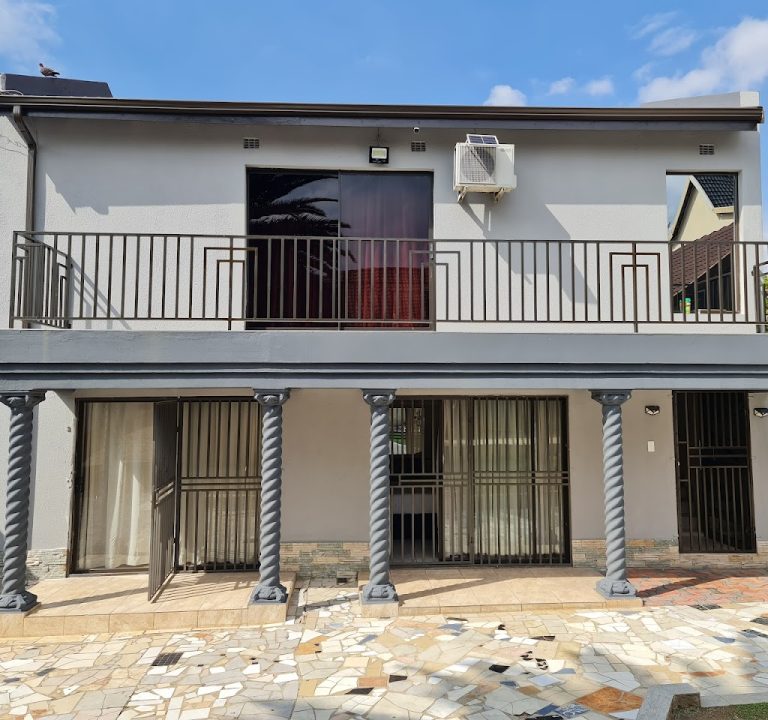
Johannesburg, or Jo’burg, is a sprawling city with a repertoire of neighbourhoods that suit a range of travel styles. When planning a stay in Gauteng, think about what you want to get out of the visit: history and culture, vibrant street life, easy access to nature, or business-friendly convenience. Accommodation options span stylish guest houses, boutique hotels, self‑catering apartments, and family‑run lodges. One example to consider is a guest house such as Ilalaguesthouse, which can provide a comfortable base from which to explore the city while offering a more personal, homely feel than a large hotel.
Areas to consider include the northern suburbs for leafy tranquillity and easy highway access; the central business district for a pulse on city life and architecture; and trendier hubs such as Maboneng and Braamfontein, known for their dining, galleries, and nightlife. Beyond the city centre, you’ll find neighbourhoods that blend residential charm with easy transport links to major attractions. When selecting a property, assess the distance to the places you plan to visit, the availability of on‑site parking, and whether the hosts offer insights into local experiences or guided options.
Typical amenities in well‑regarded accommodation include secure parking, reliable Wi‑Fi, private or en‑suite bathrooms, and clean, well‑maintained shared spaces. A good guest house or boutique hotel will usually provide a generous breakfast or at least tailor the morning offering to guest needs, plus transparent policies on cancellation and advance booking. If you’re travelling with family or a group, check whether the property offers family rooms, a lounge area, or a small kitchenette. For business travellers, proximity to a conference venue or business district, plus strong connectivity and quiet workspaces, can be a deciding factor.
Transport in Johannesburg is practical but can be variable by area. The city has a metro system in place, alongside a growing network of ride‑hailing options and car hire. If you plan to rely on public transport, choose accommodation with easy access to reliable bus or rail routes, and ask hosts for tips on safe travel between districts after dark. If you’ll be driving, ensure secure parking and ask about access routes, especially if you are staying near busy corridors. For day trips, many visitors join organised tours or hire a car to reach attractions on their own schedule.
Best time to visit Johannesburg is shaped by weather and activity schedules. The city enjoys a warm summer with afternoon thunderstorms, and a cooler, drier winter that can be perfect for exploring open-air markets, museums, and outdoor art. If you’re chasing outdoor experiences like nature reserves or city viewpoints, late spring and autumn can strike a pleasant balance of comfortable temperatures and fewer crowds. Events and markets can animate weekends year‑round, so planning with a view to local happenings can enrich your itinerary.
When planning an itinerary, balance indoor experiences—museums, galleries, historic sites—with outdoor or family‑friendly activities. In general terms, you’ll find a broad spectrum of options: exploring historical and cultural museums that illuminate South Africa’s complex history; visiting art precincts and craft markets; and sampling a range of dining options that reflect the city’s diverse communities. Since specific attractions and dining establishments can change, it’s wise to check current listings and reviews closer to your stay. A practical approach is to group activities by area to minimise travel time and maximise time on the ground.
For those seeking a taste of local life, consider markets, casual eateries, and coffee spots that capture neighbourhood character. While exact venues may vary, you can expect places that offer regional dishes, coffee blends, and artisan produce. When dining out, you’ll often find a spectrum of options from quick, reasonably priced meals to more formal experiences. If you’re planning to self‑cater, check for a well‑equipped kitchen or kitchenette in your accommodation, and ask hosts about nearby grocery stores and fresh produce markets.
Planning practical details in advance can pay dividends. Confirm check‑in and check‑out times, understand policies on late arrivals, and ask about secure luggage storage if you have a post‑check‑out window before your onward travel. It’s also helpful to request guidance on safe walk routes back to the property after evening outings and to enquire about any local advisories. If you’re trying to maximise value, compare the total cost of stay across neighbourhoods, factoring in potential transport expenses and the inclusion of meals or tours in the package.
- Check the proximity of your accommodation to the places you plan to visit.
- Ask hosts about transport options, safety tips, and local recommendations.
- Look for properties with clear cancellation policies and transparent pricing.
- Consider a stay with breakfast included to simplify mornings, or opt for a full self‑catering set‑up if you prefer flexibility.
- Plan a balanced itinerary that combines culture, cuisine, and outdoor spaces.
Johannesburg offers a broad palette of experiences, with its blend of modern urban life and rich history. Whether you are drawn to the energy of the city centre, the stylish calm of northern suburbs, or the cultural pockets of its brighter precincts, thoughtful accommodation choices can anchor a memorable stay in Gauteng. Start with a well‑located guest house or boutique hotel, round out your days with curated experiences, and you’ll discover a Johannesburg that is lively, welcoming, and endlessly discoverable. For further ideas and planning, consult official tourism resources and reputable travel sites before booking.