Staying in Johannesburg: where to stay, what to plan, and how to make the most of your visit
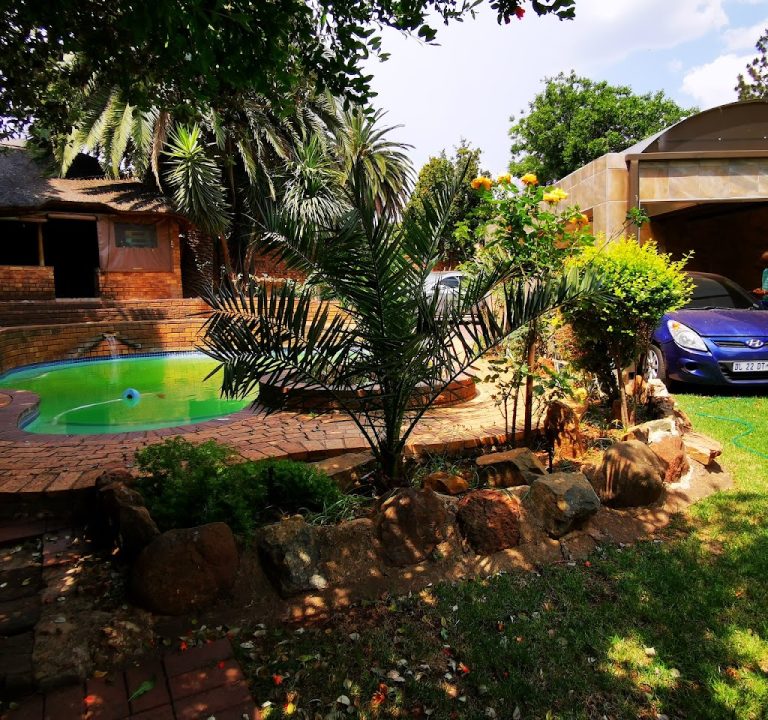
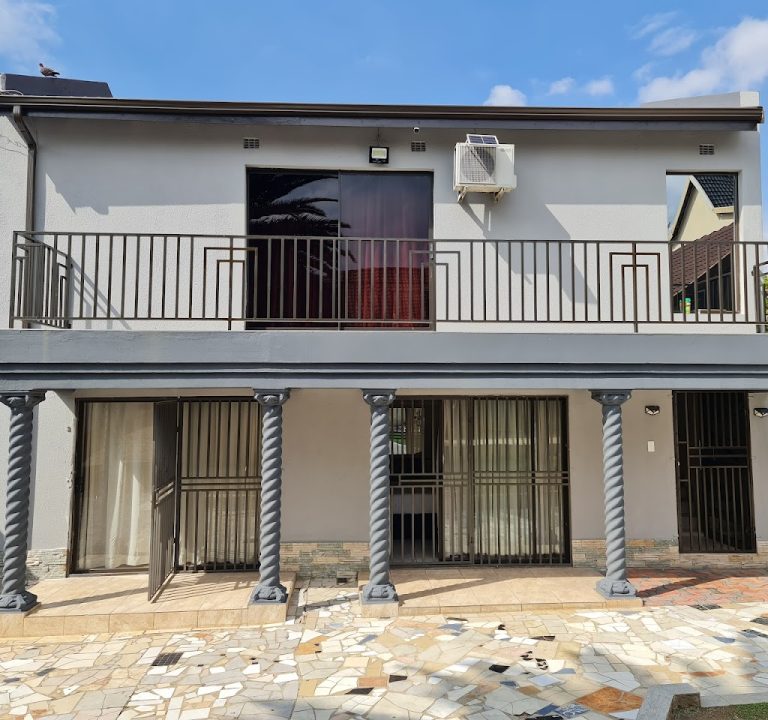
Johannesburg, or Jo’burg, is a dynamic gateway to Gauteng’s culture, history and modern city life. When planning a stay, you’ll find a range of accommodation options from intimate guest houses to contemporary hotels, with neighbourhoods that suit different itineraries. A well‑considered choice of base can minimise travel time, enhance safety, and put you close to the city’s diverse attractions, markets, eateries and theatres. An example of the kind of city‑centre guest house you might encounter is Dibelzo’s Guest House, which illustrates the approachable, homely style many travellers favour in Johannesburg.
Areas to consider for your stay
– Sandton: The business heart of the region, with excellent access to malls, restaurants and the Gautrain to central Johannesburg and Pretoria. It’s ideal for shoppers and travellers who value polished surroundings and reliable transport links.
– Rosebank: A lively, cosmopolitan hub with good metro and Gautrain connections, a creative dining scene and several museums and markets nearby. It’s well suited to visitors who want a central base with a slightly more relaxed pace.
– Braamfontein and Maboneng: For those seeking culture, street art, trendy cafés and a walkable city feel. These areas are convenient for theatre, galleries and evenings out, with a mix of boutique stays and guest houses.
– Newtown and inner city districts: Historic architecture, museums and live entertainment provide a rich urban backdrop. These areas are popular with travellers who want to mix culture with convenient access to central sights.
– Soweto (south of the city centre): A dynamic, historically significant area offering guided tours, community experiences and affordable guest houses. Staying here provides a different perspective on the city’s heritage and daily life.
What to look for when booking
When choosing accommodation, consider the following to make the most of your time in Johannesburg:
- Security features: 24‑hour reception, secure parking or clear guidance on safe transport options after dark.
- Accessibility: proximity to reliable transport routes, such as the Gautrain, minibus routes, or major arterials if you’re hiring a car.
- Self‑catering or breakfast options: decide whether you prefer a full breakfast, continental options, or a self‑catering suite for flexibility.
- Facilities: air conditioning or heating, Wi‑Fi reliability, laundry facilities, and a comfortable workspace if you’re travelling for work.
- Space and privacy: room size, en‑suite bathrooms, and whether you’ll have a private entrance if you desire a quieter stay.
- Parking and access: on‑site parking or secure street parking, as well as lift access for upper floors if needed.
Transport and getting around
Johannesburg is spread out, so planning how you’ll move between sights is worth time. The Gautrain link to the airport and to central nodes is a popular option for many visitors, while rideshailing services and reputable car hire are widely available. If you’re staying in a central district, you may be able to step out to cafés, markets and galleries on foot or by short rides. If you’re planning day trips to nearby towns or nature areas, a fixed itinerary with a reliable transfer can reduce stress and keep you on schedule.
Best time to visit and practical tips
Johannesburg enjoys a varied climate. The dry winter months (May to August) are comfortable for exploring city streets and outdoor markets, while the warmer, wetter summer period (October to March) brings lush scenery and occasional showers. If you’re visiting during peak festive seasons or major cultural events, book ahead to secure preferred neighbourhoods and better‑priced accommodation. Practical tips include carrying a light jacket for chilly evenings, staying hydrated during outdoor activities, and arranging airport transfers or trusted hotel shuttles in advance if available.
What to do and where to eat, in broad terms
Beyond your stay, Johannesburg offers a tapestry of experiences. Cultural highlights may include museums that tell the city’s story, markets with craft and food stalls, and theatres with local productions. In terms of dining, expect a spectrum from casual eateries serving comforting favourites to more refined venues that showcase African flavours alongside international influences. When planning meals, it’s worth trying a mix of neighbourhood cafés and more formal eateries to get a sense of local life and culinary diversity. For enrichment, guided walking tours, neighbourhood strolls, or informal culinary experiences can provide memorable insights into daily Johannesburg living.
Planning a balanced itinerary
To balance rest with exploration, consider splitting your stay across a couple of different areas. A couple of days in a central, walkable district can cover museums, markets and galleries, followed by a stay in a more residential area or a culturally rich district to experience local hospitality and quieter streets. Ask your accommodation host for tailored recommendations—many small guest houses and boutique hotels are well connected to reputable operators that offer curated tours and experiences in and around the city.
For more information on city attractions and practical travel planning, you may find it helpful to consult official tourism resources and local guides. These can provide up‑to‑date guidance on what’s open, seasonal events and safe transport options. Visitors should also check current advisories and local safety recommendations as part of their trip planning.
Overall, Johannesburg rewards travellers who plan with flexibility and a willingness to explore beyond the obvious. With the right base, easy access to transport, and a mix of cultural and culinary experiences, a stay in Gauteng can be both comfortable and enriching.