Johannesburg: Accommodation, Attractions and Practical Planning for Visitors
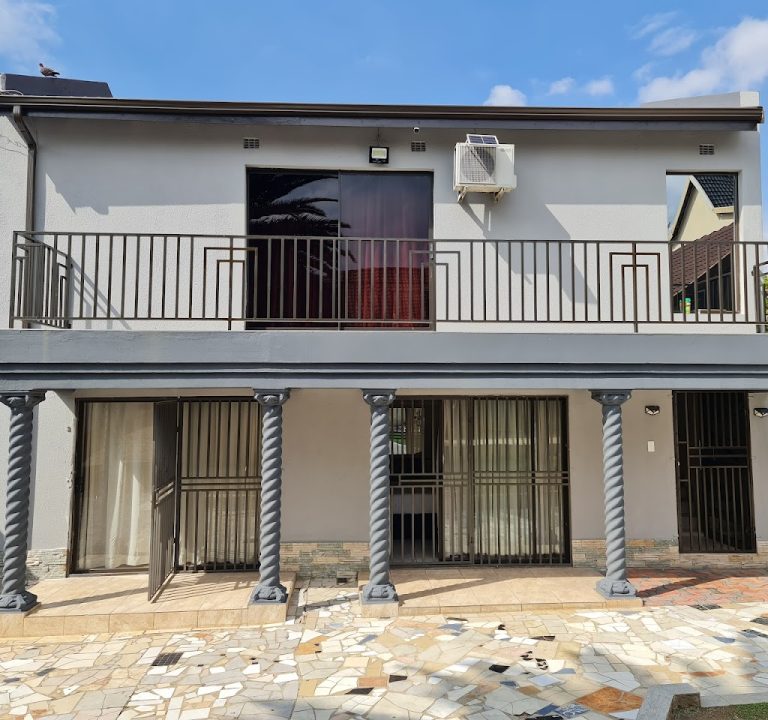
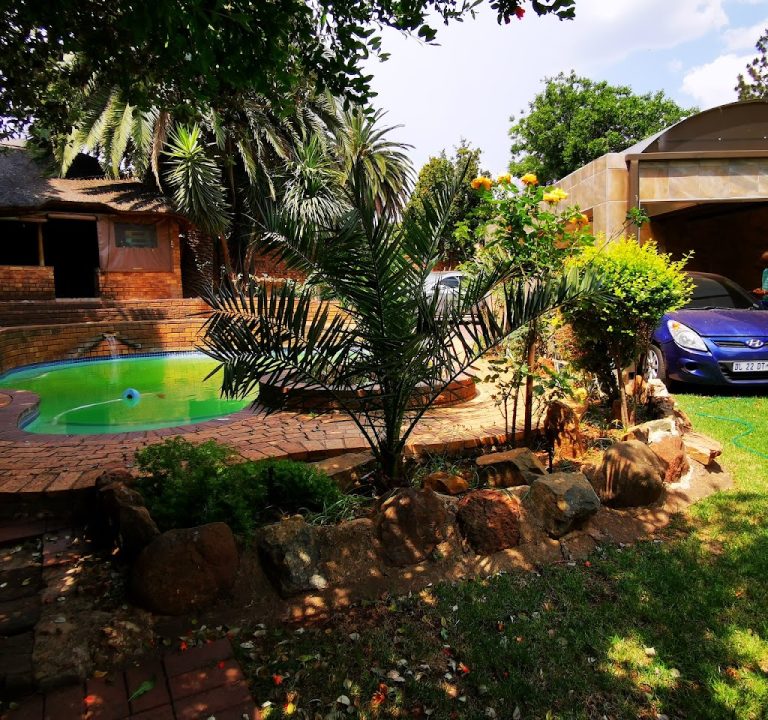
Johannesburg, or Jo’burg as many locals call it, offers a vibrant mix of urban culture, history and modern hospitality. When planning a stay in Gauteng’s largest city, think about choosing a neighbourhood that matches your interests and pace, then selecting a comfortable base that makes it easy to explore by day and unwind by night. From intimate bed and breakfast retreats to contemporary hotels and guest lodges, there are options to suit a range of budgets and preferences. A notable example remains Leboss guest lodge, a well-regarded bed & breakfast that embodies a personalised, neighbourhood feel while providing easy access to central and northern parts of the city.
Neighbourhoods to consider keep different vibes and access routes in mind. Sandton and Rosebank are popular for business travellers and shopping, with efficient transport links to the northern suburbs and beyond. Braamfontein and the Maboneng Precinct offer a more bohemian, city-centre experience, with galleries, eateries and creative spaces within walking distance of many lodgings. Melville and Newtown deliver a more relaxed, artsy atmosphere with a pocket of student energy, while Soweto provides a historic and cultural lens on the city, often best explored with a guided or organised day trip. For families or longer stays, a leafy suburb with easy access to main roads and public transport can reduce travel time and increase comfort.
What to look for when booking a stay in Johannesburg:
- Proximity to your planned activities: consider how you will navigate the city—roads can be congested, so a central base or a place near a reliable transport option can save time.
- Transport options: check for easy access to Gautrain stations, Uber or ride-hailing availability, and parking if you plan to hire a car.
- Quiet rooms and good soundproofing: Jo’burg is a lively city, and a well-insulated room makes a big difference for rest after long days.
- Safety features: look for secure entrances, well-lit common areas, and clear evacuation or security information.
- Amenities that suit your stay: ensuite bathrooms, reliable wifi, a comfortable workspace if needed, and breakfast options if you value a good morning start.
- Guest-focused hospitality: many lodges and B&Bs emphasise personal touches, local recommendations, and flexible check-in arrangements.
Typical amenities across accommodation options often include a hearty breakfast, daily housekeeping, and thoughtfully designed communal areas for socialising or relaxing. For travellers who enjoy a sense of home away from home, bed and breakfast properties frequently offer a more intimate experience, with hosts who can suggest local attractions, markets and dining spots. If you prefer more privacy or a hotel-like setup, many boutique hotels provide stylish rooms, on-site dining and access to business facilities. When staying at Leboss guest lodge or similar properties, guests typically benefit from a warm welcome, a comfortable room, and a convenient base from which to explore the city’s suburbs and central districts.
Practical planning tips for visiting Johannesburg:
- Best time to visit: Jo’burg experiences warm summers (months can be wet) and cooler, sunnier winters. Late spring and autumn are often pleasant for outdoor activities and city sightseeing, though afternoon thunderstorms can occur in summer.
- Getting around: combining rideshare apps with occasional short drives can be efficient. If you plan to explore multiple suburbs, a car might be advantageous, but you can rely on taxis and public transport for central areas.
- Safety-aware travel: stay in well-reviewed premises, lock attention to room safes and common-area security, and avoid displaying valuables in public spaces.
- Dining and nightlife: Johannesburg offers a broad spectrum of dining options, from casual bistros to fine dining, with many venues in urban hubs. It’s worth reserving tables for popular spots, especially on weekends.
- Day trips and experiences: consider guided tours that cover Soweto’s history, the city’s museums and the nearby Cradle of Humankind, depending on your interests and time.
When planning your itinerary, blend iconic experiences with less-visited neighbourhoods to gain a fuller sense of the city. In addition to well-known landmarks and museums, allow time to stroll through markets, creative precincts and family-friendly parks. Dining experiences can range from traditional South African flavours to contemporary global influences, often in venues that showcase local ingredients and hospitality. A balanced stay—combining a comfortable base, thoughtful planning, and immersive experiences—will help you make the most of Johannesburg's energy and diversity.