Durban: Accommodation, Attractions, and Practical Planning for Visitors
Durban in KwaZulu-Natal blends subtropical coastline with a vibrant cultural scene, making it a rewarding base for travellers exploring the region. When planning a stay, consider the different neighbourhoods, the pace you want, and how you’ll move around. Durban offers everything from laid‑back beachside lodges to stylish boutique stays, with a range of amenities to suit solo travellers, families, and couples alike.
Areas to consider include the beachfront, which is ideal for easy access to sand, sea and evening promenades, as well as the city centre and nearby neighbourhoods that offer a blend of shops, cafes, and dining. If you prefer easy access to expansive beaches and family‑friendly activities, look for properties along the Golden Mile or in the more laid‑back coastal suburbs. For a quieter, more residential feel with easy access to nature and viewpoints, outer suburbs and hillside areas can provide a calmer base with scenic drives into the city.
When choosing accommodation, think about the essentials that will shape your stay. Look for a comfortable bed, secure parking if you’re driving, reliable Wi‑Fi, air conditioning or fans for Durban’s warm climate, and easy access to public transport or ride‑hailing services. If you are travelling with children or planning long days out, ask about family rooms, kid‑friendly facilities, and nearby parks or beaches. For those seeking a more intimate experience, a lodge or guesthouse with a personalised breakfast service or common lounge areas can offer a welcoming home base after a day of sightseeing.
Typical amenities vary by style and price, but common features across well‑regarded Durban properties include en‑suite bathrooms, housekeeping services, and on‑site dining options or continental breakfast. Many lodges and guesthouses provide secure on‑site parking, and some offer organised tours or advice on must‑see experiences in the area. If you rely on public transport, check proximity to bus routes, taxi stands, or railway stations. A few boutique stays also emphasise eco‑friendly practices or community engagement, which can appeal to travellers seeking responsible tourism experiences.
Transport in Durban is straightforward, with a coastal road network and a growing public transport system. If you are renting a car, consider a property with parking and easy access to arterial routes that connect to Durban’s major beaches, the harbour, and the hills beyond. For those preferring not to drive, many hotels and guesthouses are well‑placed for taxi or rideshare services, and some may offer shuttle options for nearby attractions or experiences. Planning your day’s movements in advance can help you balance long beach hours with quick hops to markets, eateries, and viewpoints.
Best time to visit Durban tends to be in the late spring through autumn months when the weather is warm and sea temperatures are pleasant for swimming. Be aware that the city can experience humid conditions and occasional rainfall during certain seasons, so packing layered clothing and rain protection is wise. If you are visiting for cultural festivals or city life, align your stay with the dates of events and weekends when markets, live music, and performances are more common.
Practical tips to help you plan smoother stays:
- Choose accommodation with flexible cancellation policies during uncertain travel periods.
- Check the proximity to beaches, food markets, and safe swimming zones to optimise daytime and active hours.
- Read guest reviews for insights on air‑conditioning performance, noise levels, and the responsiveness of hosts or staff.
- Consider a lodge or guesthouse that offers an on‑site breakfast or a shared dining area to maximise convenience after early starts.
- Request information about nearby dining options, grocery stores, and easy routes for exploring the city on foot or by bike.
Durban’s options extend beyond a place to sleep. The city is known for its broad, accessible beaches, family‑friendly attractions, and a growing culinary scene. Visitors can enjoy walks along the waterfront, browse vibrant markets, and explore neighbourhoods with Indian and Zulu cultural influences reflected in architecture, crafts, and cuisine. For a broader day trip, consider the rolling hills and valleys just outside the city or coastal towns along the North and South Coasts that offer scenic drives and nature trails.
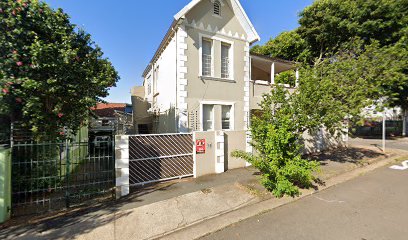
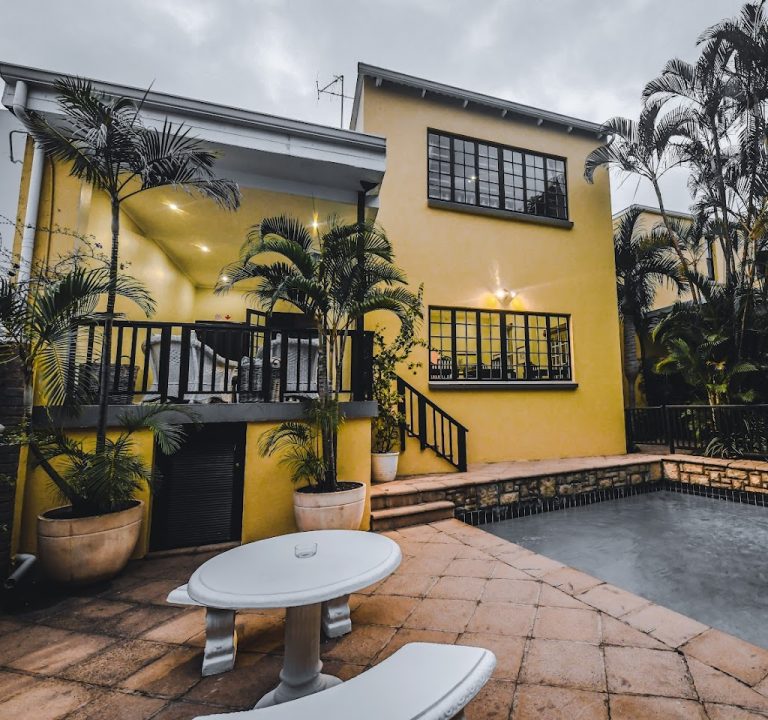
A range of accommodation types, including a lodge such as Siesta Inn Madeline, can serve as a comfortable base for discovering the area. If you are researching further, explore reputable tourism resources and official destination guides for Durban and KwaZulu‑Natal, which provide current recommendations on places to stay, areas to visit, and practical travel tips. A useful starting point for general tourism information is the official Durban and KwaZulu‑Natal tourism portals, which can help you plan itineraries that balance rest with exploration.
In summary, Durban rewards travellers with a warm welcome, varied accommodation, and enough nearby activities to fill several days. By choosing a strategic base, planning for transport, and prioritising essential comforts, you can enjoy a relaxed stay that leaves room for spontaneous discoveries along the coast, in the markets, and across the city’s diverse neighbourhoods.