Durban: Where Beachside Relaxation Meets Urban Exploration
Durban, on the east coast of South Africa in KwaZulu-Natal, combines subtropical coastlines with a vibrant cultural scene. A stay here offers sun, sea and a gateway to the province’s spectacular scenery, from rolling hills and forested valleys to rich heritage and modern dining. For visitors, the city’s accommodation ranges from intimate guest houses to contemporary hotels and family-friendly lodges, with plenty of options to suit different budgets and travel styles.
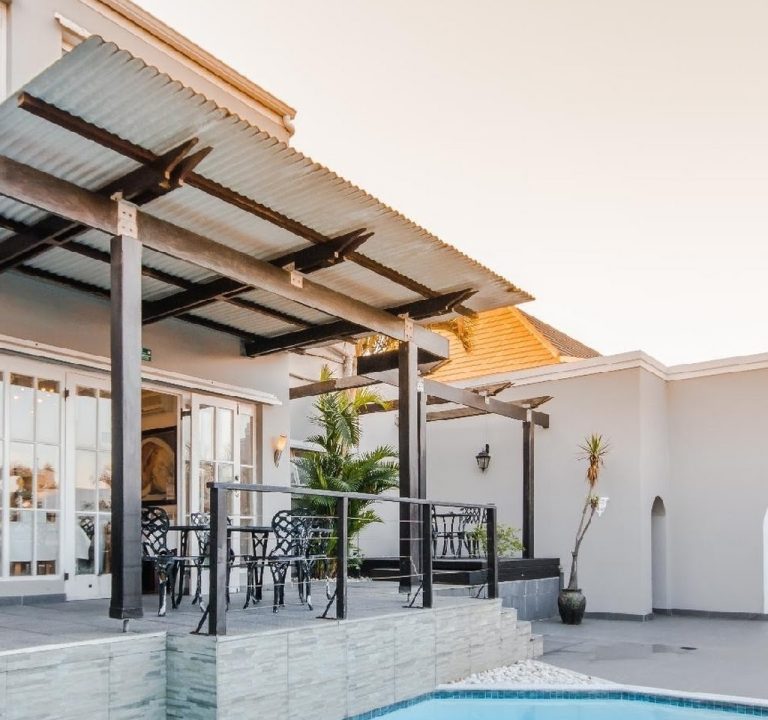
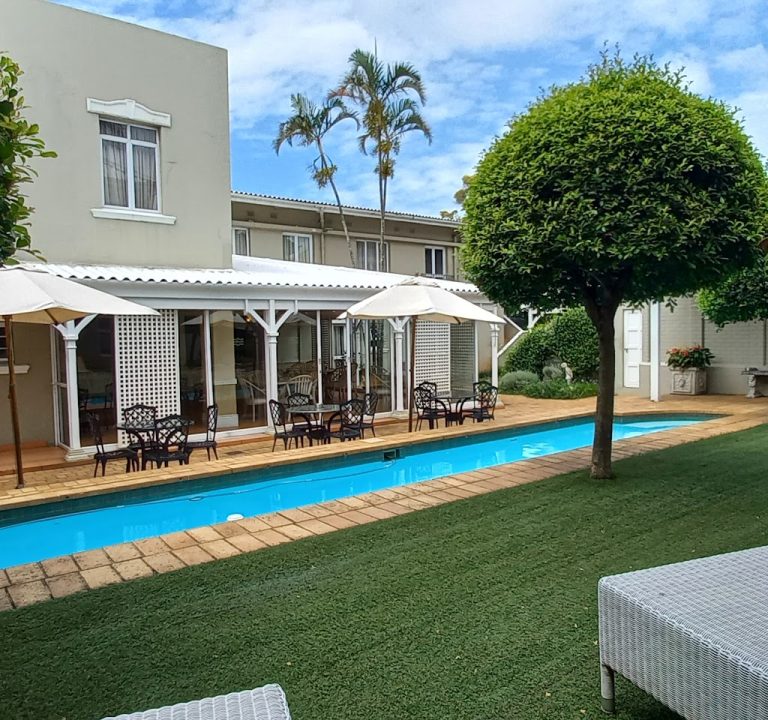
When planning a stay, consider the area you’d like to base yourself in. The Golden Mile, a promenade along the beachfront, is ideal for straightforward access to sandy shores, seafront bars and casual eateries. Berea and Morningside offer leafy residential streets, boutique shops and a quick hop to the downtown business and cultural districts. For an easier escape into nature, the valley regions and surrounding hills provide green pockets, hiking trails and scenic viewpoints. If you’re seeking a quiet, homely atmosphere, look for guest houses and small boutique lodges with character—for example, Bon Ami, a guest house known within the area for thoughtful, personalised stays. Their website provides a sense of the property and its location within the Durban region.
What to look for when booking a Durban stay can shape your whole experience. Practical priorities often include parking availability, proximity to the beachfront or city centre, and the ease of getting around without a car. Durban has a well-used public transport network, including buses and commuter rail for longer day trips, but many visitors prefer a taxi or ride-hailing service for evenings out. If you plan to spend mornings on the sands or afternoons at family-friendly attractions, a short walk to the beach or a quick ride to a nearby park can save time and stress. Booking a guest house or boutique hotel that offers inclusive breakfast or simple self-catering facilities can also add flexibility for early starts or late returns.
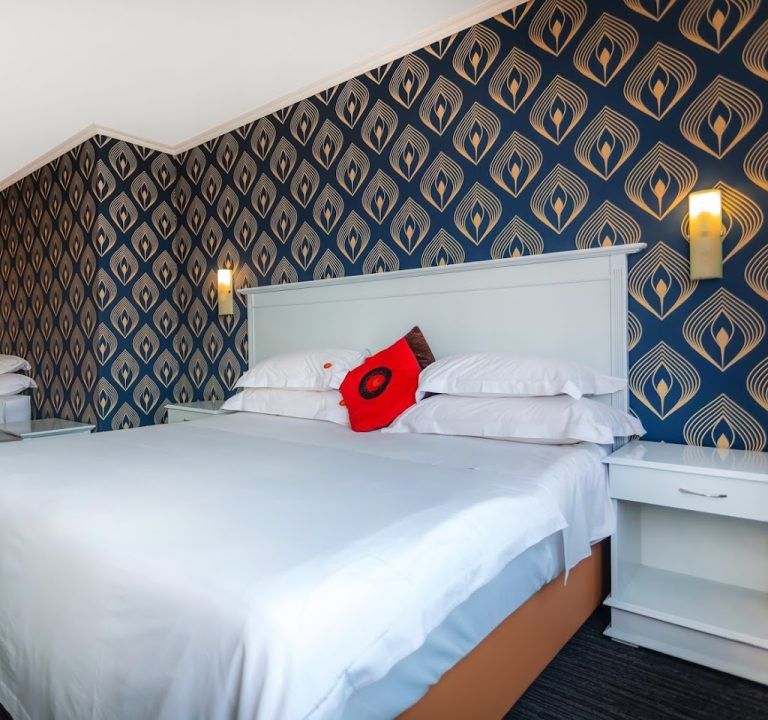
Typical amenities you might encounter include free Wi‑Fi, air conditioning, private bathrooms, and tea-and-coffee making facilities. Some properties may offer guest lounges, communal kitchens, or outdoor spaces such as courtyards or balconies with views of the Indian Ocean. Safety features, such as secure parking, well-lit entrances, and responsive staff, are worth confirming in advance. If you enjoy having a local flavour to your stay, look for hosts who can share restaurant recommendations, day trips, or cultural experiences in the area.
Durban’s climate lends itself to year-round visits, but the best time to travel often hinges on your weather tolerance and planned activities. The summer months are warm and wet, with occasional heavy showers, while the winter months are milder and drier, making it comfortable for sightseeing and coastal walks. If you’re planning outdoor activities, spring and autumn offer pleasant temperatures for hiking in nearby hills and nature reserves. It’s wise to check local events calendars for public holidays or major sports fixtures, as these can affect crowds and transport within the city.
Getting around Durban efficiently can influence how you experience the city. A car gives flexibility to explore suburbs, hill towns and coastal viewpoints at your own pace. Alternatively, plan a route with a mix of short taxi trips and a couple of longer rail or bus journeys to experience the way locals travel. For day trips, think about nearby attractions outside the city centre as part of a well-balanced itinerary—perhaps a countryside drive through rolling landscapes or a visit to a coastal town a short distance away.
When choosing accommodation, consider the following planning tips:
- Location versus convenience: weigh beachfront proximity against a quieter inland base if you want a restful evenings after busy days.
- Room configuration: check whether you need a double, twin, or family room, and whether en suite facilities will be essential for your group.
- Meal arrangements: decide if you prefer a full breakfast included, a self-catering option, or flexible access to dining nearby.
- Access and mobility: if you have guests with limited mobility, confirm ground-floor rooms or lifts where required.
- Local insights: select hosts or properties that can provide tailored recommendations for beaches, markets, and family-friendly activities.
Durban’s attractions span natural beauty, culture and cuisine. You can expect vibrant markets and art districts, expansive beaches with safe swimming stretches, and family-friendly highlights such as marine life centres or botanical gardens. Dining scenes typically emphasise fresh seafood, regional flavours and casual seaside eateries where visitors can enjoy balmy evenings with a view of the coast. While we avoid specific price points or contemporary awards, Durban’s hospitality scene generally emphasises warmth, value for money and a friendly, relaxed pace that suits both short city breaks and longer, restorative getaways.
To plan efficiently, assemble a rough two- to five-day plan that blends relaxation with discovery. A practical approach is to reserve the first and last days for arrival and departure logistics, with mid-stay blocks for a waterfront stroll, a day in the hills, and a couple of cultural or culinary experiences. Always have a back-up option for inclement weather, such as a museum, gallery or indoor market, so your visit remains engaging even if the day’s outdoor plans are cut short.
For more information on Durban stays and nearby guest houses, including Bon Ami, you can explore the property’s website to gauge its style, location and available amenities. Pair your accommodation choice with a flexible itinerary and you’ll be well placed to enjoy the warmth of Durban’s hospitality and the beauty of KwaZulu-Natal’s coastline.