Durban: Where to Stay and How to Make the Most of Your Visit
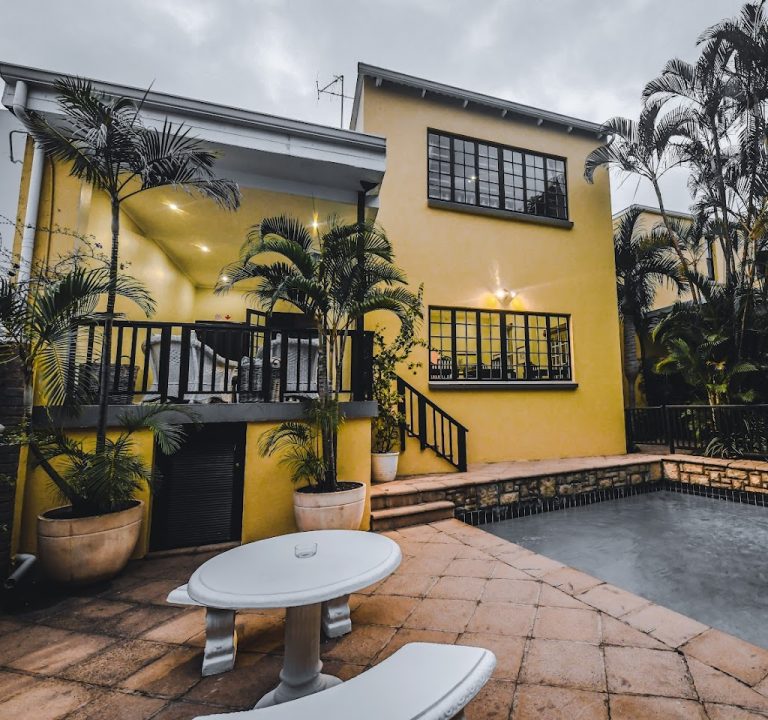
Durban, on KwaZulu-Natal’s coast, blends warm subtropical weather with a vibrant mix of cultures, beaches, and heritage. Whether you are seeking a cosy guest house, a boutique hotel, or a family-friendly stay, the city offers options that fit different budgets and travel purposes. Planning a stay in Durban means balancing urban discoveries with easy access to the coast and inland landscapes. For those exploring Durban’s accommodation scene, a familiar choice is Gems Guesthouse, a typical Durban guest house that reflects the local hospitality and convenient locations that many visitors value. While each property has its own character, you can expect comfortable rooms, memorable togetherness in common areas, and mobility that helps you explore with ease.
Where to stay matters as much as what you do. The Ribbook of Durban’s districts can guide your choice: the beachfront precincts along the Golden Mile offer easy access to the sea, promenades, and relaxed dining. The central business district and Upper Gardens provide proximity to cultural hubs, markets, and transport links, while the lesser-known leafy suburbs can deliver a calmer home base with generous space and a more residential feel. If you prefer coastal views and immediate beach access, look for properties within or near the beachfront and Marine Parade corridors. For a quieter, more residential experience, consider accommodation in residential clusters inland but still well connected by public transport or ride-hailing services.
When booking, consider what matters most to you. Key factors include the size of your party, whether you need self-catering facilities, parking availability, and how close you want to be to the sea or to certain attractions. Guest houses in Durban often provide homely touches, with shared lounges, kitchens, and outdoor spaces that encourage a relaxed pace after a day of exploring. Hotels and boutique properties may offer on-site dining, spa services, and organised activities, which can be convenient if you prefer a more self-contained stay. If you are visiting with children or seeking a longer stay, look for family-friendly configurations, quiet rooms, and flexible cancellation policies.
Typical amenities you may encounter include comfortable en-suite rooms, air conditioning or fans for Durban’s warm climate, complimentary Wi-Fi, and secure parking. Breakfast is a common inclusion at guest houses and smaller hotels, sometimes with the option of a continental or cooked-to-order service. In many Durban properties, you can expect outdoor spaces such as gardens, verandas, or pool areas where you can unwind after a day’s adventures. Consider whether the accommodation offers self-catering facilities or access to kitchen spaces if you plan to prepare meals or snacks. Badges of observation to note include access to a lift (for upper floors), accessibility features, and clear information about check-in and check-out times, especially if your travel schedule is tight.
Transport in Durban is fairly straightforward, though planning helps. The city benefits from a network of roads and an expanding set of ride-hailing options. If you rely on public transport, it is useful to know that certain tourist areas connect well by bus and train routes; however, travel times can vary with traffic. For day trips to nearby attractions and viewpoints, a car or organised tours can offer more flexibility. If you plan to enjoy the coastline, a short stroll from your base to the promenade provides the opportunity to watch ocean scenes, sailors, and evening street life, particularly during the warmer months.
Best time to visit Durban is linked to the climate and crowds. The city experiences hot, humid summers with a humid subtropical climate, making the coastal breeze and sea a major draw. Winter, with milder days and cooler nights, can be pleasant for city walks and cultural experiences. Shoulder seasons often bring more moderate temperatures and fewer crowds, which can translate into a calmer pace and potential savings on accommodation. If you are hoping to catch outdoor events, markets, or seasonal coastal activities, align your visit with the local calendars and weather forecasts to maximise outdoor time while staying comfortable.
Practical tips for planning your stay:
- Book accommodation with easy access to the areas you want to explore, and check how far it is from beaches, markets, and cultural venues.
- Read recent guest reviews focusing on cleanliness, staff attentiveness, and the reliability of amenities such as air conditioning and Wi-Fi.
- Ask about parking arrangements if you are driving, and verify if there are any remote or on‑street restrictions in the area.
- Consider a light itinerary that includes a mix of coastal strolls, a visit to markets or local districts, and a day trip to inland landscapes if you have the time.
- Look for breakfast options that suit your rhythm, and check whether there are nearby dining choices for other meals if you prefer not to cook.
Durban’s attractions and experiences are broad and well suited to varied interests. You can expect lively beaches, a family-friendly water park and aquarium experiences, and cultural highlights that reflect Zulu heritage, Indian influences, and colonial legacies. In parallel, the city’s dining scene ranges from traditional curries and seafood to modern fusion offerings, with markets and street food that give you a taste of Durban’s cosmopolitan character. For visitors who enjoy a balanced itinerary, a stay that pairs comfortable lodging with walkable access to piers, promenades, and markets creates a sustainable rhythm for mornings spent by the sea and afternoons exploring local neighbourhoods. Always verify hours and access ahead of your trip, and consider booking experiences through reputable local operators to support the community and ensure reliability during your stay.