Durban: Accommodation, attractions and practical tips for a traveller-friendly stay
Durban, on KwaZulu-Natal’s sunny east coast, offers a mix of warm sub-tropical beaches, vibrant markets and a laid‑back atmosphere that suits both short city breaks and longer coastal stays. When planning where to base yourself, think about proximity to the city’s highlights, whether you want a beachfront experience, easy access to the airport, or a quieter residential feel within reach of the main sights. A number of guesthouses and B&Bs provide a welcoming home-from-home, with hosts often ready to share local tips and routes around the city.
Areas to consider for your stay include:
- Umhlanga and the North Coast: known for wide beaches, a relaxed vibe and a straightforward commute to the airport. Great for beach days and modern amenities within easy reach.
- Berea and Musgrave: a central, tree-lined district with easy access to shops, cafés and the historic university area, while still feeling close to the coast.
- Durban CBD and the Golden Mile beachfront: convenient for walkers and cyclists who want to be in the heart of the action, with quick access to museums, markets and harbour‑side attractions.
- Westville and surrounding suburbs: a quieter residential option with leafy streets, suitable for travellers who prefer a calmer base while visiting the city and its wildlife and nature reserves a short drive away.
When you book, look for a few practical amenities that can make or break a stay. A comfortable bed and clean, well‑furnished room are essential, along with reliable hot water and good ventilation. Check whether the property includes secure parking if you’re driving, and whether breakfast is offered on site or nearby. A guesthouse or B&B that provides insider tips—such as suggested morning walks along the coastline, affordable eateries in local markets, or safe routes to key attractions—can add real value to your itinerary. If you’re travelling with friends or family, ask about room configurations and whether there are common areas for socialising or cooking.
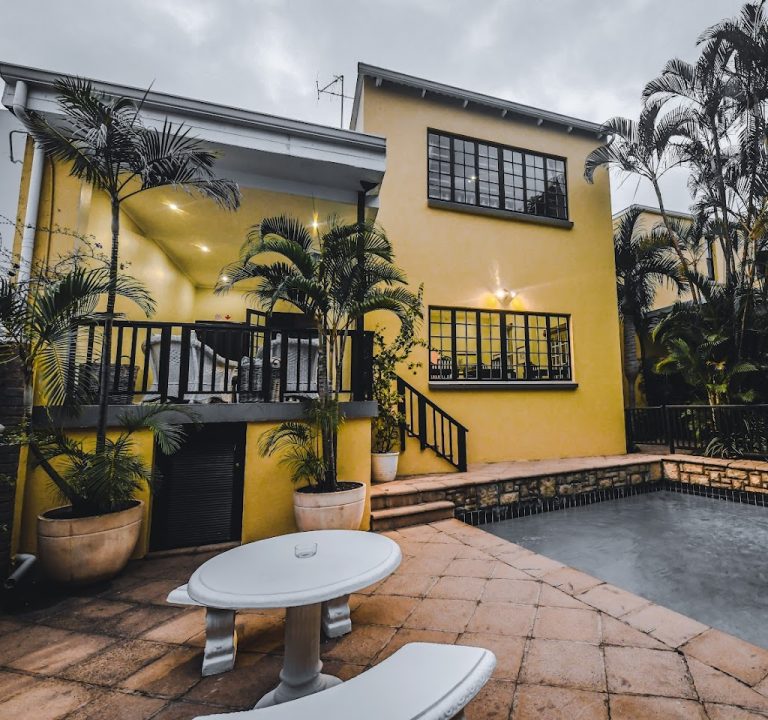
Typical amenities you might encounter include complimentary Wi‑Fi, tea and coffee facilities, air conditioning or ceiling fans, and private en-suite bathrooms. Some places also offer small lounges, outdoor seating, or a pool. In Durban’s climate, a shaded patio or balcony can be a real bonus, especially for evening meals or late afternoon sun. Accessibility is another factor to consider; if mobility is a concern, check for step-free entry and an elevator where needed.
Transport around Durban is well supported by a network of taxis, ride‑hailing options and reasonably priced car hire. If you’re staying near the coast, walking or cycling along the promenade is enjoyable, with many eateries and shops within a short distance. For longer day trips to inland attractions or nature reserves, a car will usually be the most convenient option, giving you flexibility to explore markets, parks and coastal towns at your own pace.
The best time to visit Durban is shaped by climate and crowd levels. The city enjoys warm, subtropical weather for most of the year, with peak beach season in the southern hemisphere summer. If you’d rather avoid the busiest periods, shoulder seasons can offer milder temperatures and quieter streets while still giving you the opportunity to enjoy the sea and outdoor activities. For nature lovers, early mornings are ideal for wildlife walks, while late afternoons provide comfortable conditions for photography along the coastline.
Practical planning tips to help you maximise your stay:
- Book central accommodation if you plan to spend long hours exploring on foot or via short taxi rides. Proximity to the promenade, markets and eateries reduces transport time and costs.
- Clarify breakfast arrangements and meal options, especially if you intend to dine out most evenings. Some B&Bs offer continental or cooked breakfasts, while restaurants and cafés nearby can provide a wide range of flavours.
- Consider your interests when selecting an area. If you’re keen on beaches and family-friendly spaces, staying near the coast can be ideal. If you’re drawn to markets, crafts and museums, a central or Berea base may suit you better.
- Pack adaptable clothing for warm days and cool evenings, plus sun protection, as Durban’s sun strength can be intense even in winter months.
- Check cancellation policies and payment terms ahead of time, as these can vary between B&Bs and guesthouses.
Durban offers a wide range of experiences beyond its beaches. Visitors may enjoy strolls along the promenade, markets and street food hubs, and family-friendly activities that suit different tastes and budgets. Dining options run the gamut from casual coastal cafés to contemporary bistros and ethnically diverse eateries, often with emphasis on fresh seafood and locally grown produce. For a relaxed stay with a sense of locality, consider a guesthouse or bed-and-breakfast in a convenient neighbourhood, paired with a flexible itinerary that balances outdoor time with indoor comfort.
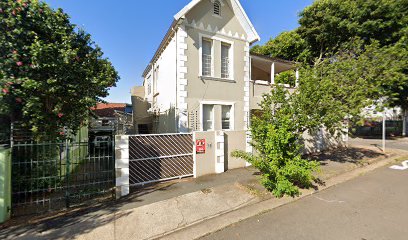
If you’re curious about staying at a well‑appointed Durban B&B, you might explore places such as Madeline Grove Bed and Breakfast, which offers a guesthouse experience with personal touches and a central location. For more information, you can visit their site at Madeline Grove Bed and Breakfast.
With thoughtful planning, Durban can be a superb base for discovering the KwaZulu‑Natal coast and its surrounding natural beauty, while enjoying comfortable, welcoming accommodation and easy access to a diverse range of activities and dining options.