Durban: Where to stay, what to expect, and how to make the most of a visit
Durban, a vibrant city on KwaZulu-Natal’s coast, blends subtropical beaches with mountain vistas, rich cultural heritage and a lively food scene. When planning a stay, the choice of neighbourhood can shape your experience as much as the hotel itself. Coastal districts offer easy beach access and sea views, while inland suburbs tend to provide quieter streets, leafy settings and quicker access to the city’s attractions.
Areas to consider include the Golden Mile and beachfront precincts, which are ideal for guests who want to wake up to the sound of the waves and enjoy long walks along the promenade. Berea and Glenwood offer characterful guesthouses and boutique hotels a short ride from the centre, with a blend of historic architecture and modern comforts. Umhlanga and the north coast provide resort-style hotels and self-catering options within reach of upscale dining and shopping, while the southern and central city zones cater to travellers seeking easy access to markets, museums, and more urban experiences. For something more rural, nearby hills and valleys offer guesthouses with scenic drives and relaxed atmospheres.
When booking, think about what you primarily want from your stay. If you’re here for beaches and a resort vibe, look for properties with direct beach access, a pool, and sturdy air conditioning. If you prefer a city break with dining and culture, choose a central location with easy access to public transport, a short walk to cafés and markets, and a guesthouse or hotel that emphasises personalised service.
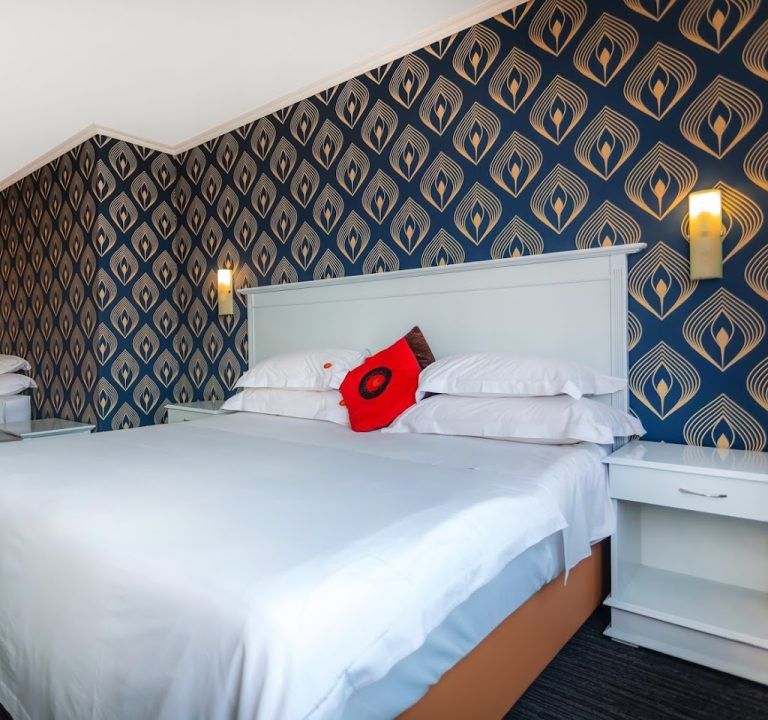
Typical amenities to look for include reliable WiFi, comfortable bedding, secure parking, and clear safety features. A good breakfast option can be a real time-saver, while on-site dining or a neighbourhood restaurant within walking distance adds convenience. Many Durban properties offer sea or city views, balconies or terraces, and well-equipped self-catering facilities in apartments or suites. Accessibility is worth checking if you or someone in your party requires step-free entrances or elevators. If you’re travelling in peak heat, air conditioning and shaded outdoor spaces are particularly welcome.
Transport around Durban is straightforward, though planning helps. In most areas you’ll be able to walk to shops and beaches, but a hired car or ride-hailing service offers flexibility for day trips to the M hospitals or the surrounding hills. If you plan to explore beyond your base, consider a location with easy access to major roads, or near a taxi stand or pick-up point for convenient transfers to markets, viewpoints, and parks. For longer stays, a property with a kitchen or kitchenette can reduce daily costs and give you the option to enjoy your own meals after a day out.
Best time to visit Durban is tied to the climate: the summer months (roughly November to March) bring warm to hot days and humidity, perfect for beach holidays and water activities, though you may encounter showers or afternoon thunderstorms. Winter (June to August) is mild, with cooler evenings but still pleasant for city walks, dining al fresco and visiting attractions without the peak-season crowds. Spring and autumn offer a balance of comfortable temperatures and shorter queues at popular sites.
Planning tips to help you get the most from your Durban stay:
- Choose a base with beach access or easy transport links to major attractions and dining precincts.
- Check for parking facilities if you’re driving, and whether the property offers shuttle services to key sights or the airport.
- Verify whether breakfast is included and if dietary options can be accommodated.
- Assess the room layout and climate control to ensure comfort in Durban’s warm climate.
- Look for properties with a pool, outdoor spaces, and on-site security features for peace of mind.
- Plan a mix of activities: a day on the beachfront, a visit to cultural sites or markets, and a nature or hillside excursion for variety.
Durban’s attractions are varied and family-friendly. Visitors commonly enjoy long walks along the beachfront promenade, immersive experiences at inland and coastal parks, and vantage points offering sweeping city and ocean views. The local dining scene ranges from casual eateries serving spicy Durban curries and seafood to more contemporary venues showcasing inventive takes on South African fare. In addition to eating places, consider markets and cafés where you can sample regional produce and crafts, support local producers, and mingle with residents.
For accommodation examples, consider a centrally located hotel or guesthouse that emphasises comfort, safety and service, with easy access to public transport and major roads. A coastal hotel or apartment with sea views can provide a memorable base for daily strolls along the sand, while a leafy suburb property can offer a quieter retreat after busy days in the city. Websites and guest reviews can help you compare rooms, opinions on noise levels, and the consistency of housekeeping and breakfast service. A stay near the coast or in a well-connected district makes day trips to nearby viewpoints, parks and cultural sites straightforward and enjoyable.
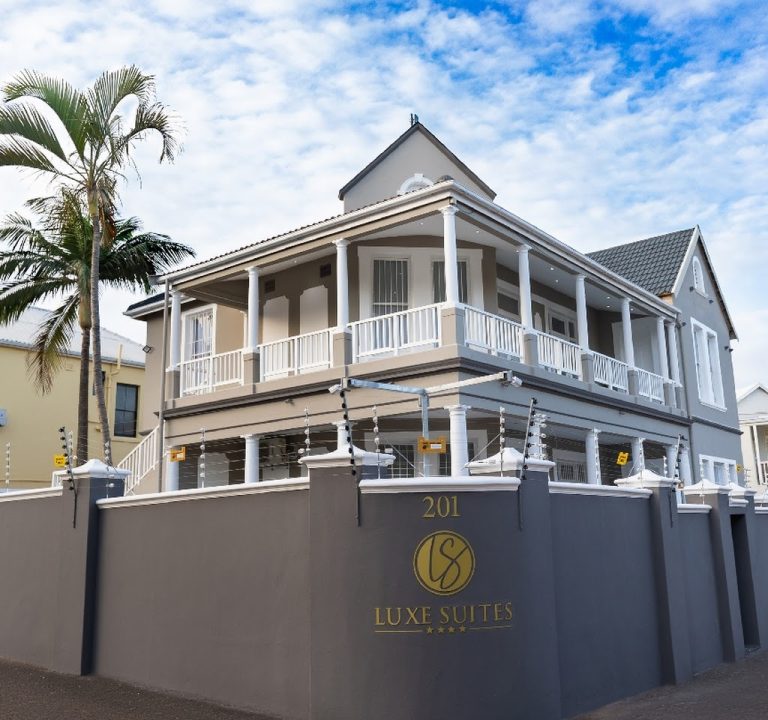
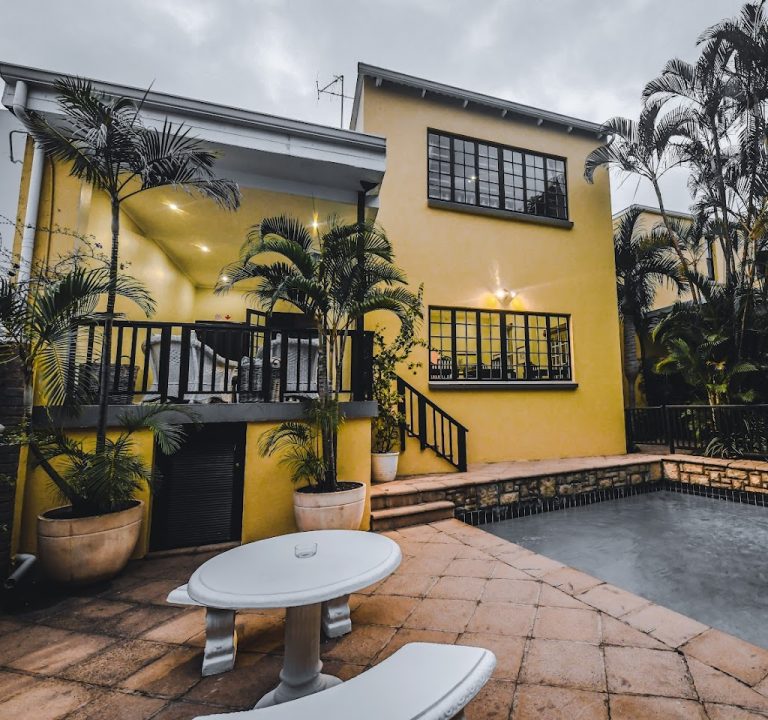
Durban blends outdoor enjoyment with culinary and cultural experiences, making it a compelling destination for a well-rounded stay. Whether you’re drawn by sun and surf, markets and museums, or hillside scenery and nature escapes, there are accommodation options to match. For a concrete example, Luxe Suites Hotel offers a modern base in a central location with easy access to Durban’s sights and amenities (visit http://www.luxesuites.co.za/ for more details). Plan thoughtfully, book in advance for peak periods, and you’ll discover a Durban stay that’s comfortable, convenient and distinctly South African.