Johannesburg: accommodation options, planning tips and local experiences
Johannesburg, the vibrant gateway to Gauteng, offers a dynamic mix of lodges, boutique B&Bs, modern hotels and guesthouses across several lively neighbourhoods. When planning a stay, consider areas that match your travel aims: the business-focused corridors of Sandton and Rosebank, the arts-and-food heartbeat of Maboneng and Braamfontein, or the historic and cultural vibes of Soweto and Newtown. Each district has its own character, transport links and access to attractions, making the city feel approachable to first‑time visitors and seasoned travellers alike.
Accommodation choices range from polished city centre hotels to intimate lodges and guesthouses located in leafy suburbs. For families or longer stays, serviced apartments and guesthouses with kitchen facilities can offer a practical base. If you are seeking a calmer, more intimate atmosphere, boutique lodges tucked away in quieter neighbourhoods can provide a welcome retreat after a day of exploring. For those keen on a different pace, a stay in Soweto or the inner-city districts can be a doorway to immersive cultural experiences and guided tours.
What to look for when booking:
- Location relative to your planned activities: easy access to major attractions, markets, restaurants and transport hubs
- Transport options: proximity to Gautrain stations or reliable ride-hailing services for easy movement around the city
- Security features and neighbourhood safety information provided by the host or property listing
- Clear cancellation policies and transparent pricing, including any taxes or additional charges
- Amenity highlights: reliable Wi‑Fi, secure parking if you are driving, air conditioning or heating, and a convenient work or dining area
- On-site facilities that suit your needs, such as a pool, wellness spaces, or a courtyard for relaxing evening hours
Typical amenities in Johannesburg accommodation include comfortable bedrooms with en-suite or shared bathrooms, complimentary Wi‑Fi, daily housekeeping, and access to guest kitchens or dining spaces. Many lodges and guesthouses offer breakfast options, either continental or cooked-to-order, and some properties provide additional meals or private dining arrangements upon request. If you need space for business or meetings, look for rooms with desks, adequate lighting and power points, as well as quiet areas to work or study.
Getting around the city is straightforward once you have a plan. The Gautrain suburban rail network connects Johannesburg with Pretoria and the O.R. Tambo International Airport area, making day trips and airport transfers simpler. In the city centre and central suburbs, ride-hailing apps and reputable taxi services are commonly used. If you are renting a car, confirm parking arrangements and local driving conditions, including any peak-hour considerations. Walking is enjoyable in compact, well‑maintained districts with pedestrian-friendly streets, markets, and cafés, but always stay aware of street safety as in any major city.
The best time to visit Johannesburg is generally from autumn through spring (March to May and September to November), when temperatures are comfortable and the weather is mild. Summer can be lively with occasional showers, while winter brings cooler days and a dry, crisp atmosphere. Nearby natural attractions, such as urban parks and botanical spaces, are often most pleasant in spring and autumn. If you are planning a safari day trip or a longer excursion to nearby regions, coordinate travel times to make the most of daylight hours and avoid peak traffic periods.
Practical tips to help you optimise your stay:
- Book accommodation with clear information about security, access hours, and supported services; read recent guest reviews for up-to-date insights
- Shop for a place with a flexible cancellation policy in case plans change
- Ask hosts about local dining options, weekend markets, and guided tours that showcase cultural heritage, art, and cuisine
- Plan a mix of neighbourhood strolls, museum or gallery visits, and a couple of guided experiences to understand the city’s story
- Ensure you have a charged mobile device for maps and transit apps, especially if you are exploring beyond the central districts
In addition to museums and cultural districts, Johannesburg offers a range of experiences that can enrich a visit. Expect to encounter vibrant street art, markets with handmade crafts, and eateries that reflect diverse South African cuisines. For those who enjoy nature, urban parks and botanical spaces provide moments of respite within the city’s energetic pace. When choosing a place to stay such as a lodge or guesthouse, you may find that hosts can act as excellent local guides—helping you plan day trips, suggest safe routes, and point you toward markets and culinary spots that capture the local flavour without relying on tourist traps.
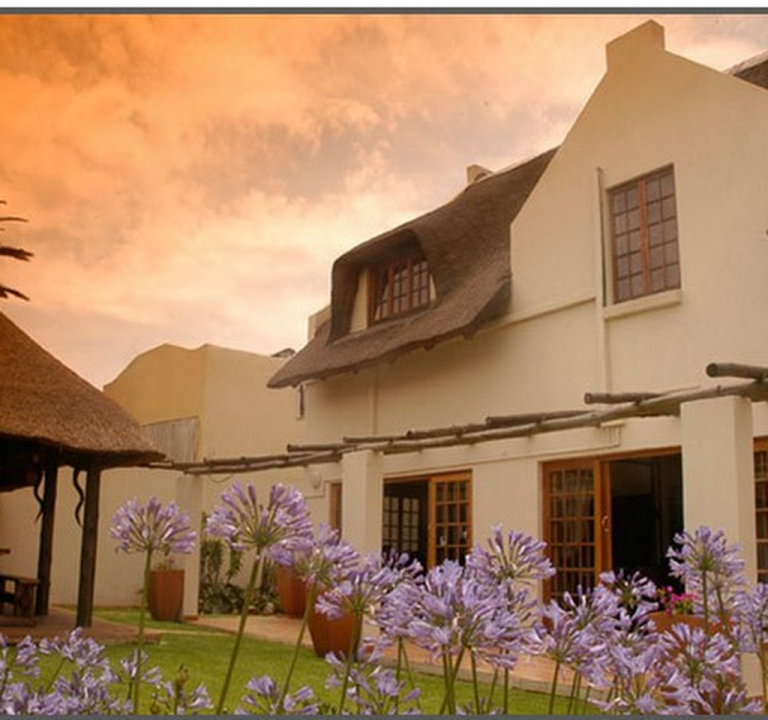
As a reference example, Shanguni Lodge represents the lodge-style accommodation option available in Johannesburg’s broader lodging landscape. While individual properties vary, lodges commonly blend comfortable rooms with common living spaces and a personalised approach to guest experiences, offering a practical base from which to discover the city’s diversity.
To complement your stay, consider pairing your accommodation with thoughtfully chosen day plans. A gentle morning in a market or cultural precinct, followed by a relaxed lunch at a neighbourhood café, and an afternoon visit to a gallery or historical site can create a balanced itinerary. For evening plans, seek out venues that focus on quality dining and a comfortable atmosphere, allowing you to unwind after a day of sightseeing. With careful planning and a flexible mindset, Johannesburg can offer a rich, multi-faceted stay that suits both first‑time visitors and returning travellers alike.