Discovering Johannesburg: accommodation, areas to stay, and experiences across Gauteng
Johannesburg, a dynamic gateway to South Africa’s northern treasures, offers a wide range of places to stay that suit different itineraries and budgets. From stylish guest houses in leafy suburbs to contemporary hotels near bustling city centres, the right base can set the tone for your visit. When planning a stay, consider what you want from your days—whether you’ll be exploring museums and markets, or meeting friends for dining and nightlife—so you can choose a neighbourhood that aligns with your pace and interests.
Good staging posts for first-time visitors include central districts with easy access to attractions, as well as more tranquil suburbs that feel like a home away from home. Braamfontein and the Maboneng Precinct offer a cosmopolitan ambience with galleries, cafes and entertainment, while Rosebank and Sandton provide a polished mix of shopping, dining and business facilities. For a quieter experience, neighbourhoods such as Melville or nearby parklands can be a refreshing alternative, with boutique stays and local bistros that reflect the city’s character. If you are visiting for business or conferences, look for properties near major transport hubs or convention venues to minimise travel time.
When booking, check for these typical amenities to ensure a comfortable stay. A reliable Wi‑Fi connection is essential for planning days, especially if you like to map routes and research places on the go. A well-equipped kitchenette or continental breakfast can save time in the morning, while a 24-hour reception offers flexibility for late arrivals. Secure on-site parking or easy access to public transport is important in a city where traffic can be variable. Laundry facilities, in-house dining options, and air conditioning or effective cooling are practical touches for comfort during warmer months. Clean, well-kept communal areas and thoughtful signage can also make a big difference if you are travelling with family or in a group.
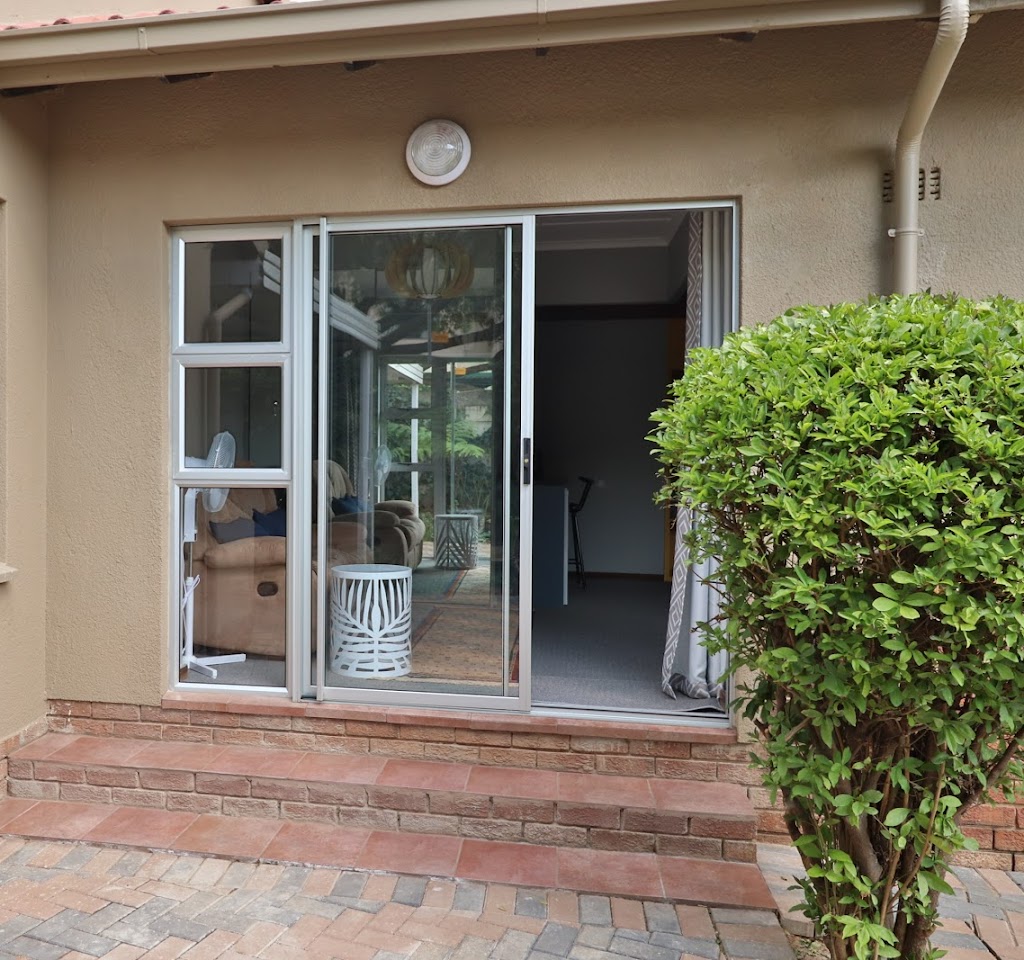
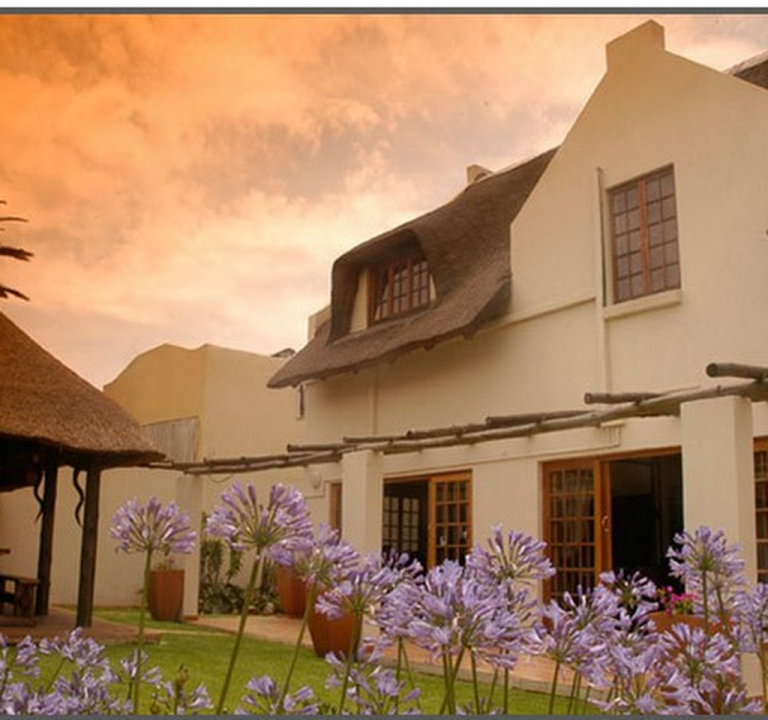
Accommodation options in Johannesburg span boutique guest houses, design-forward hotels, and more traditional lodges. A popular guest house such as Twenty Six on Nel Guest House exemplifies how a personalised stay can feel like a smart home base in a well-connected area. Spacious rooms, a welcoming atmosphere, and proximity to parks and cafés can enhance your visit, while a dedicated website can provide practical details about the property and its location. When researching, review guest feedback about noise levels, housekeeping standards, and the responsiveness of staff to ensure your priorities—whether a quiet retreat or a lively base for nightlife—are met.
Transport is a vital consideration for making the most of your time in Johannesburg. The city is well-served by main roads, a rapid rail link (the Gautrain) that connects the airport with central areas, and ride-hailing services that can offer convenient door-to-door travel. If you plan to drive, factor in parking arrangements and potential peak-hour delays. For day trips to nearby attractions, decide whether you prefer guided tours, self-guided itineraries, or a mix. Many visitors enjoy starting mornings with a stroll through local markets or neighbourhood cafes, followed by world-class museums, historic sites, and vibrant street art in the afternoon.
The best time to visit Johannesburg is during the dry season, when skies are often clear and outdoor activities are more pleasant. However, the city’s cultural calendar and warm hospitality mean there is something to enjoy year-round. Spring and autumn offer comfortable temperatures for walking tours and markets, while summer can bring afternoon showers but also lush scenery and lively outdoor scenes. If you are planning longer stays, consider alternating days in the city with day trips to nearby Gauteng attractions or even a drive to the Magaliesberg or Cradle of Humankind region for a broader South African experience.
Food and drink are an essential part of any Johannesburg visit. The city’s dining scene ranges from laid-back bistros and coffee spots to innovative restaurants that explore regional flavours and contemporary cooking. In addition to the well-known fine-dining and casual venues, many neighbourhoods boast casual eateries and markets where you can sample street-food-inspired dishes and local favourites. Look for places with seasonal menus, strong coffee culture, and friendly service, and be prepared to pace your meals to allow time for exploring streets and galleries between courses.
Practical planning tips to help you get the most from your stay:
- Check the area’s safety information and plan basic routes between your accommodation, transport hubs, and planned activities.
- Book in advance for sought-after neighbourhoods or weekends, but remain flexible to adapt to new discoveries.
- Pack a light jacket for evenings, as temperatures can drop after dusk in urban areas.
- Consider a mix of accommodation types to balance price, convenience, and atmosphere during your stay.
For an example of a guest-focused base in a well-connected area, you can learn more about Twenty Six on Nel Guest House through its official site, which outlines accommodation details and access to nearby attractions. Exploring Johannesburg with a thoughtful plan—balancing comfortable lodging, easy transport, and a varied programme of museums, markets, parks and dining—will help you uncover the city’s layered experiences at your own pace. Websites and local guides can offer up-to-date information on attractions, events, and seasonal openings, ensuring you make the most of every hour you spend in Gauteng.