Johannesburg: Accommodation and planning a stay in Gauteng
Johannesburg is a dynamic gateway to Gauteng, offering a mix of historic neighbourhoods, modern business districts and lively cultural hubs. When selecting a place to stay, consider what you want to see and how you prefer to move around. The city is sprawling, with several distinct areas that each offer their own flavour, from leafy residential streets to buzzing urban precincts. A well-chosen base can save time, reduce transit stress and help you experience the best of what Johannesburg has to offer.
Areas to consider
- Sandton and the northern corridor: Known for upscale hotels, conference facilities and shopping centres, with easy access to business districts and a rapid rail network.
- Rosebank and Melrose Arch: A convenient mix of boutique guesthouses, convenient eateries and transport links; good for exploring both the city and nearby attractions.
- Braamfontein and Maboneng: Heartland for culture, street art, independent cafés and nightlife; ideal if you want to be within walking distance of galleries and markets.
- Newtown and the CBD: A vibrant revitalised area with heritage architecture, theatres and museums; stay options range from small guesthouses to modern lodges.
- Soweto and surrounding townships: For a deeper cultural experience, there are guesthouses and guided-tours that can offer insight into the region’s history and daily life.
- Rural-leaning stops and nearby nature: For a quieter stay, consider areas on the outskirts that provide more serene surroundings while still offering quick routes into the city.
What to look for when booking
- Location versus pace: Decide whether you want a quiet, leafy stay or a central base close to nightlife and dining. Proximity to Gautrain stations or major roads can dramatically reduce transfer times.
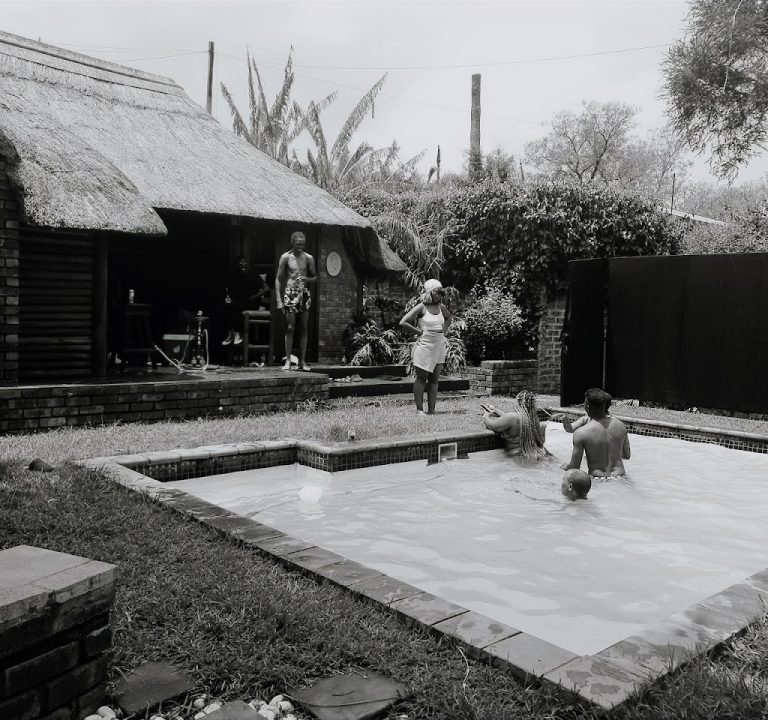
- Amenities that matter: Free fibre wifi, secure parking, breakfast options, self-catering facilities, laundry services and a pool are common and can enhance convenience, especially for longer visits.
- Transport links: Check access to reliable taxi services, ride-hailing apps, and public transport options. Easy access to major arterials and rail links helps with day trips beyond the city.
- Safety and comfort: Look for well-lit entrances, on-site security, and guest reviews that describe a comfortable, well-maintained space. Clear policies on access hours and guest safety are worth noting.
- Guesthouse character: Many properties in Johannesburg offer a personalised touch, from bespoke decor to a friendly on-site bar or restaurant. If you value local hospitality, a property with a small, well-reviewed team can be a better match than a large chain.
Typical amenities and practical planning
- Appetising breakfast and dining: Many guesthouses and boutique hotels provide breakfast included in the rate, and some venues have on-site restaurants offering a light bite or dinner service.
- Work and connectivity: A comfortable desk or workspace, reliable wifi, and room charging points are helpful for those mixing business with leisure.
- Parking and security: Enclosed parking or secure street access can simplify blocking out parking concerns, particularly in busy districts.
- Transport planning: In Johannesburg, Uber, Bolt and other ride-hailing apps are widely used, and many properties assist guests with arranging transfers or providing local directions. If you plan day trips (for example to historical sites or wildlife experiences), it helps to map routes in advance.
- Best time to visit: The city enjoys a mild winter and a warm, sometimes rainy summer. For outdoor activities and street markets, late spring and autumn offer pleasant conditions. Consider annual events and seasonal openings when planning a stay.
What to do and where to eat
- Attractions and experiences: While specific venues may change, Johannesburg’s appeal lies in its museums, historical sites, and vibrant neighbourhoods. The Apartheid Museum and Constitution Hill provide insightful context, while the city’s botanical spaces and zoos offer calmer attractions. Exploring a few precincts on foot or by guided tour gives a well-rounded sense of the city’s story and energy.
- Dining and socialising: Johannesburg’s dining scene ranges from casual cafés to stylish bistros and modern eateries. Seek locales that celebrate local ingredients and culinary creativity, and allow time to sample a neighbourhood’s street-level culture and markets.
- Day trips: If you have a spare day, consider guided trips to nearby nature reserves, or a township heritage tour for a respectful, informative perspective on local life and history.
Cacoons Cove Guesthouse Restaurant & Bar
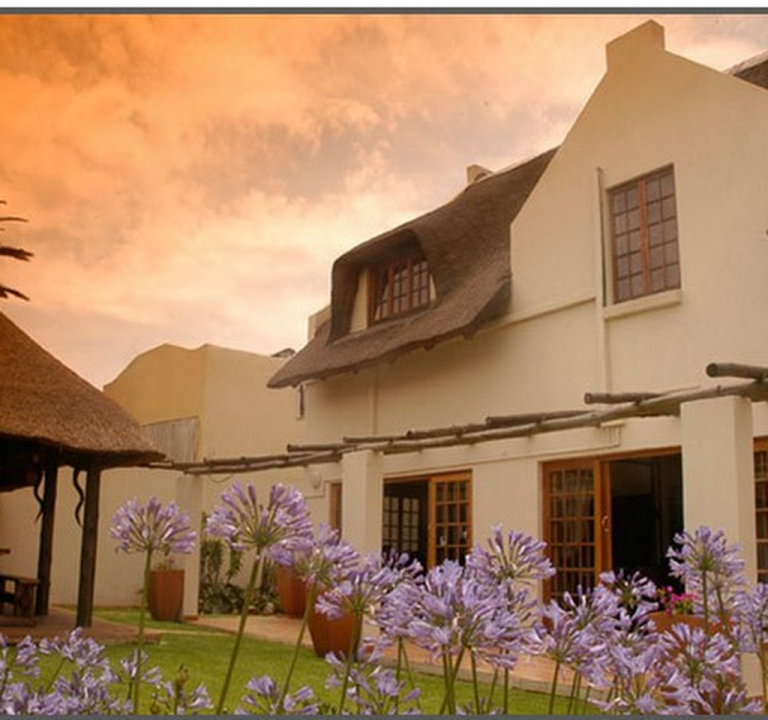
For travellers seeking a warm, intimate stay with a touch of character, Cacoons Cove Guesthouse Restaurant & Bar offers a locally guided experience emphasising hospitality and comfort. Their website provides further information about accommodation options and on-site dining: http://www.cacoonscove.co.za/
Planning practicalities
- Booking tips: Compare several properties in the same area to gauge value and see recent guest feedback. If you have flexible travel dates, check for shoulder-season rates, which can offer quieter stays at a lower price.
- Accessibility: If accessibility is important, filter options for ground-floor rooms or lifts, and confirm door widths and bathroom layouts with the property prior to booking.
- Packing notes: Bring adaptable clothing for varying weather, comfortable walking shoes for urban exploration, and a lightweight bag for day trips.
Johannesburg is a city of contrasts—cultural richness, architectural diversity and a thriving dining scene sit alongside energetic districts and green spaces. With thoughtful planning and a well-chosen base, you can balance convenience with immersion, making the most of your Gauteng stay.