Choosing a stay in Johannesburg: accommodation, attractions and planning tips
Johannesburg, the vibrant gateway to South Africa’s Gauteng province, blends business districts with rich histories, modern eateries and lively neighbourhoods. When planning a visit, selecting the right accommodation can shape your experience, from easy access to neighbourhood flavour to comfortable methods of getting around the city. Options range from guest houses and boutique hotels to modern apartments and mid-range lodges, each offering a different pace of exploration.
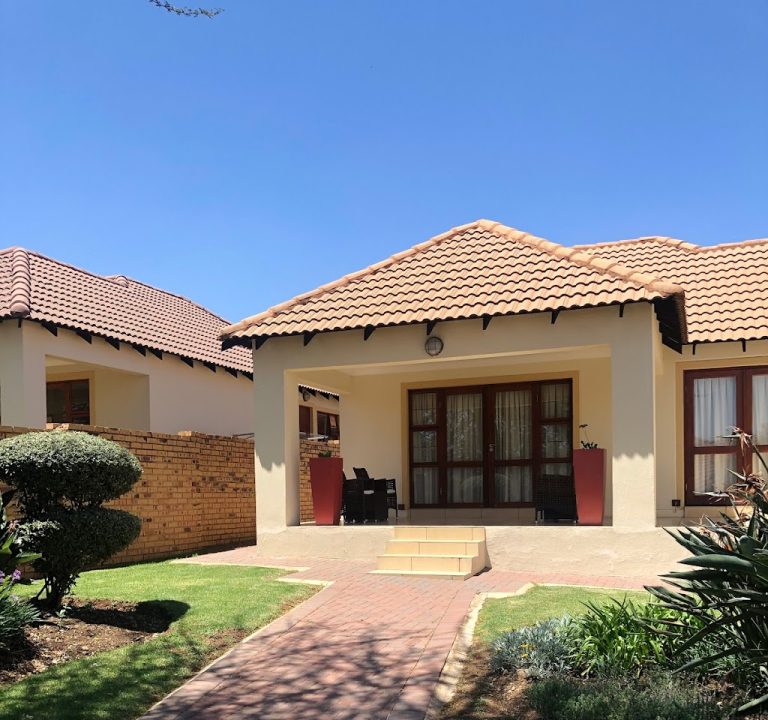
For those prioritising character and personal service, guest houses and boutique lodges can provide a homely base close to a particular area of interest. A well-sited guest house can cut travel time and offer practical extras such as on-site parking, breakfast, and helpful local guidance. Bergliot Guest House, for example, represents a host-guest model where visitors can expect a personalised stay and a sense of neighbourhood familiarity; you can explore details and bookings on their website at http://www.bergliot.co.za/.
Areas to consider
- Central and financial districts: convenient for business travellers or first-time visitors who want to be close to transport hubs and museums, galleries and historic sites.
- Northern suburbs such as Sandton and Rosebank: strong dining scenes, shopping and easy access to major highways. These areas are popular with travellers seeking a polished environment and predictable transport options.
- Inner-city and creative quarters: Maboneng and Braamfontein offer a mix of galleries, coffee shops and nightlife, ideal for visitors who want to walk and observe daily city life while staying in a compact, lively area.
What to look for when booking
- Location balance: proximity to your planned activities versus the convenience of public transport or ridesharing.
- Transport access: easy access to main roads or rail links such as the Gautrain routes, as well as safe on-site parking if you plan to hire a car.
- In-room and communal amenities: reliable Wi‑Fi, secure access, air conditioning or heating, a comfortable bed, privacy, and options for breakfast or quick light meals.
- Security and neighbourhood safety: check reviews for safety information, well-lit surroundings, and secure entry systems.
- Breakfast and service style: self-serve or cooked breakfasts, and whether staff offer local tips for day trips, markets, or dining.
Typical accommodation features and practical planning
- Room configurations: a range of options from single rooms to family suites; some properties offer kitchenette facilities or access to shared lounges.
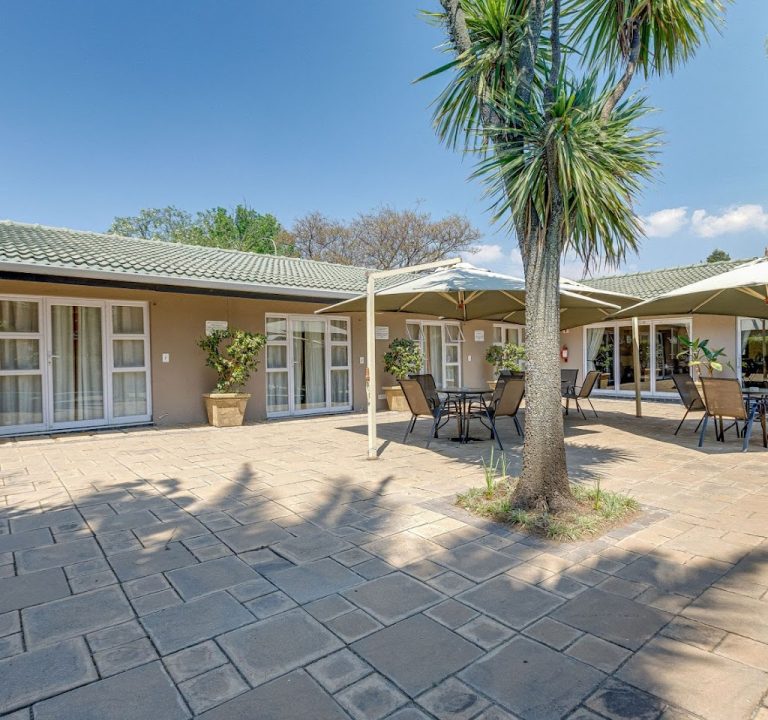
- Public spaces: common areas for socialising or quiet work days, plus outdoor spaces such as courtyards or small gardens.
- Breakfast and catering: many guest houses include breakfast as part of the stay, with light, continental or hot options; some may offer dinner or packed lunches on request.
- Parking and access: secure on-site parking can be a substantial benefit, particularly if you’re exploring beyond the central corridors.
- Accessibility: if you have mobility requirements, verify lift access, step-free entry, and bathroom facilities.
Transport and getting around
- Public transport: Johannesburg’s network includes buses and rail connections; the Gautrain is a fast option linking Johannesburg to Pretoria and other Johannesburg suburbs and is useful for day trips.
- Taxis and ridesharing: widely available; plan for peak-traffic times and possible delays in busy districts.
- Walking and cycling: some areas are pedestrian-friendly with a rich streetscape, though caution is advised at night and in less familiar corners.
Best time to visit
- The city enjoys a warm climate with distinct wet summers and cooler, dry winters. The shoulder seasons—spring and autumn—often offer pleasant temperatures for outdoor exploration.
- Thunderstorms can occur in summer afternoons, so plan outdoor activities with flexible timelines and indoor alternatives in mind.
Attractions and experiences (general, without specific prices or claims)
- History and culture: museums and heritage sites provide a window into the country’s past and its evolving urban culture.
- Markets and street life: craft markets, food stalls and coffee cultures offer a taste of contemporary Johannesburg.
- Parks and viewpoints: city parks and high vantage points can provide relaxing breaks from the urban rhythm.
- Dining: a broad range of culinary options reflects the city’s diverse communities, from casual eateries to refined venues.
Practical tips for travellers
- Safety and awareness: stay in well-reviewed areas, keep valuables secure, and use reputable transport options at night.
- Mindful budgeting: plan a realistic daily budget for meals, transport and entry fees if you intend to visit multiple attractions.
- Connectivity: arrange SIM or roaming plans ahead of arrival to simplify navigation and communication.
- Itinerary planning: cluster attractions by district to reduce transit time and maximise your time exploring.
A sample planning framework
- Pick a base in a neighbourhood that aligns with your interests (culture and architecture, dining, or shopping).
- Map key transit routes to your daily plan and identify a couple of must-see sites per day.
- Reserve accommodation with flexible cancellation policies in case your plans shift.
- Confirm breakfast and any on-site services that will save you time during mornings or evenings.
For travellers seeking a well-rounded Johannesburg stay, combining a comfortable base with a mix of cultural experiences, dining explorations and easy transport access offers a practical and enriching visit. Always review recent guest feedback, confirm what is included in your stay, and consider a location that reduces travel times so you can spend more moments discovering the city.