Johannesburg: Where to stay and what to do
Johannesburg, often simply called Jo’burg or Jozi, is a dynamic gateway to South Africa’s rich urban culture and surrounding natural beauty. A stay in this sprawling city can mix stylish accommodation with easy access to museums, markets, vibrant dining scenes and convenient transport links. When planning a visit, consider a base in one of the city’s varied neighbourhoods to maximise convenience, safety and authenticity.
Neighbourhoods and what to expect while choosing accommodation:
- Rosebank and the northern suburbs: These areas tend to offer a blend of modern guesthouses, boutique hotels and self-catering apartments, with good access to parks, shopping centres and the Gautrain station. They’re popular with travellers seeking a relaxed atmosphere and straightforward transport connections to the northern commercial hubs.
- Sandton, Sandton City and surrounding precincts: A business-and-buzz hub with a wide range of accommodation options, from upmarket guest houses to luxury hotels. Proximity to malls, corporate offices and express rail links makes this a practical choice for first-time visitors who want minimal transfer times.
- Maboneng and Braamfontein: For a more cosmopolitan, artsy vibe, consider guesthouses or boutique stays near Maboneng and the University precinct. Expect cafés, street art and proximity to independent eateries, galleries and nightlife.
- Melville and nearby university quarters: A comparative favourite for travellers seeking a more laid-back vibe, with leafy streets, affordable stays and a good selection of local eateries.
What to look for when booking a guest house or hotel in Johannesburg:
- Security and access: Look for secure parking, well-lit entrances and 24-hour front desk or staff availability, especially if you plan to walk back to your accommodation late in the evening.
- Cleanliness and comfort: Check recent reviews for cleanliness, comfortable beds, adequate heating or cooling, and reliable hot water.
- Connectivity and convenience: Free Wi-Fi, charging points by beds, and a convenient location with easy access to main transport routes or a Gautrain station can save time on daily trips.
- Facilities and services: A continental or cooked breakfast, on-site parking, laundry facilities, a pool or outdoor space, and possibly shuttle services to key areas or the airport can add real value to your stay.
- Sustainability and local engagement: Some properties partner with community projects or offer locally sourced meals, which can enrich your visit while supporting local economies.
A typical stay might be centred around comfortable rooms, shared or en-suite bathrooms, and common spaces where travellers exchange tips. For families or groups, look for larger suites or apartment-style layouts, while solo travellers may prioritise proximity to transit hubs and lively neighbourhoods. When booking, always verify breakfast inclusions, parking availability, and any cancellation policies in advance.
Transport and getting around:
Johannesburg is a spread-out city, and the most practical way to move around is often by car, taxi services, or ride-hailing apps. The Gautrain provides fast rail connections between the city centre and Johannesburg’s suburbs, with convenient access to OR Tambo International Airport from certain stations. Within city clusters, Uber and other services are widely used. If you prefer a more scenic approach, some guest houses offer shuttle runs to popular districts or shopping malls. Planning routes ahead of time saves time during busy periods, particularly during weekdays when traffic can be heavy.
Best time to visit and practical tips:
Johannesburg enjoys a temperate climate, with hot summers and cooler winters. The wet season typically runs from October to April, with afternoon thunderstorms possible in the peak months. For outdoor activities and neighbourhood exploration, late spring (September to November) and autumn (March to May) often provide pleasant conditions with more comfortable temperatures and lower rainfall than the height of summer.
Practical tips to enhance your stay:
- Pack versatile clothing for the seasons and an adaptor for South Africa’s plug types.
- Reserve your accommodation in advance, particularly in popular districts or during peak holiday periods.
- Check if your booking includes breakfast and parking, and understand the check-in and check-out times to fit your travel plan.
- Stay aware of your surroundings, especially when wandering in the evenings. Your guest house can advise on safe walking routes and nearby dining options.
- Support local experiences: neighbourhood markets, guided walks, and culturally focused tours provide deeper insight into the city’s diverse heritage.
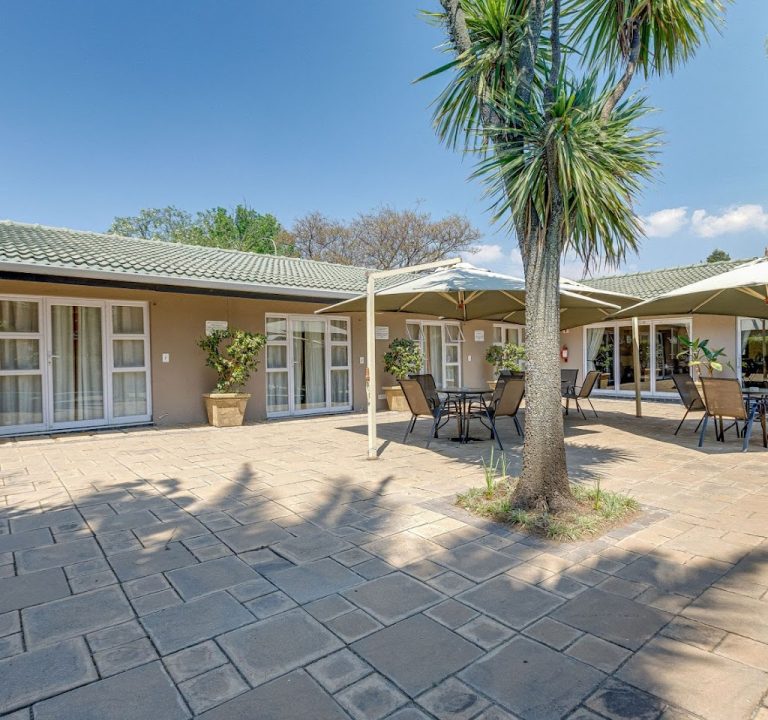
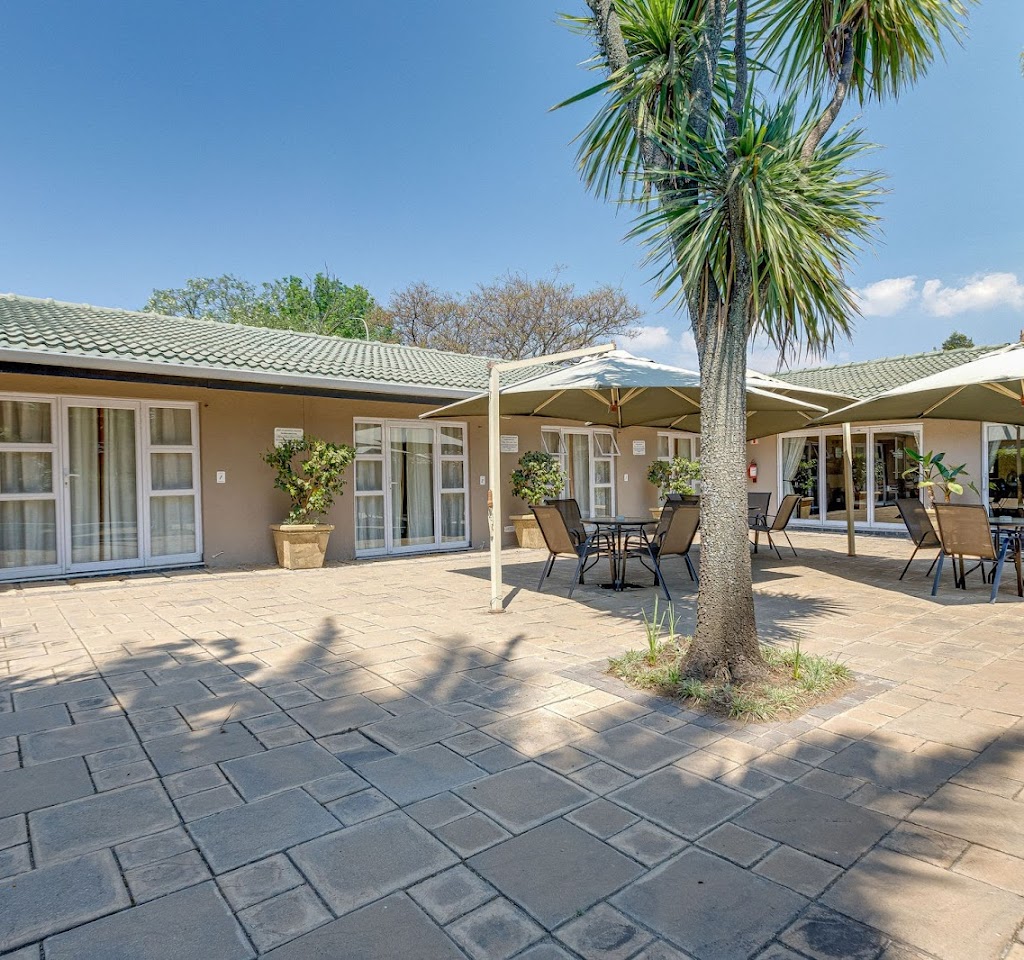
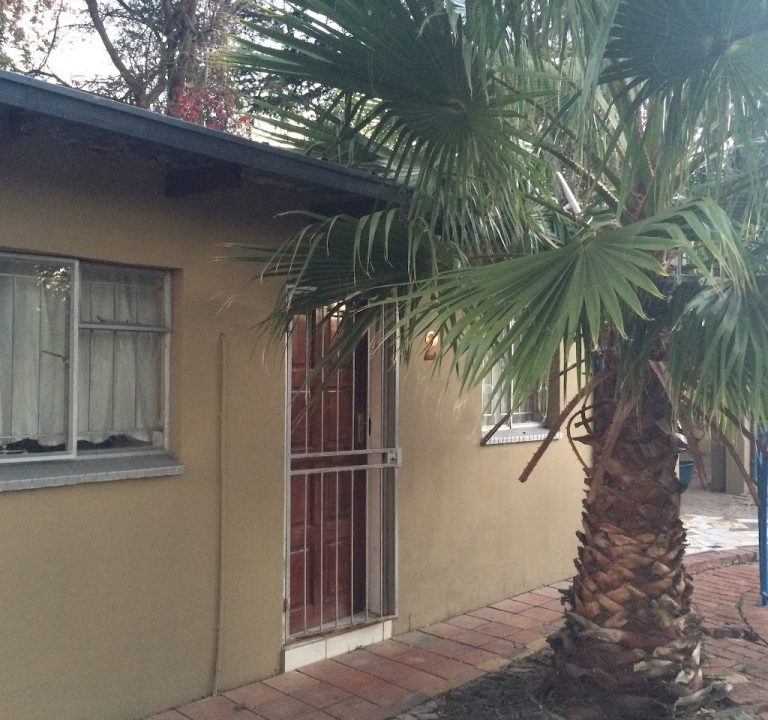
On the accommodation front, a well-rounded option is the Flying Falcon Guest House, a guest house that offers a practical base with a focus on traveller-friendly amenities and approachable service. For further details and to explore what’s on offer, you can visit their site at Flying Falcon Guest House.
What to see and do in and around Johannesburg encompasses both heritage and modern leisure. In broad terms, visitors may explore major civic and cultural spaces that celebrate South Africa’s history, contemporary art districts, and bustling markets offering crafts and cuisine from across the region. Dining options span casual eateries to sophisticated venues that showcase local produce and global influences, with many establishments embedding a distinctly South African flavour in their menus. For those who prefer a structured plan, bookable tours and experiences that cover city highlights, nature reserves nearby, and day trips to nearby gems can be arranged through a range of operators and accommodation providers.