Where to stay and what to do in Johannesburg: a practical guide for visitors
Johannesburg, or Jo’burg as many locals call it, is a dynamic city with a mix of cosmopolitan neighbourhoods, leafy tree-lined streets and vibrant urban hubs. When planning a stay, consider areas that suit your pace and interests, from business-friendly districts to bohemian quarters and family-friendly streets packed with cafés and markets. A well-chosen base can cut travel time, reduce stress and unlock a more authentic Gauteng experience.
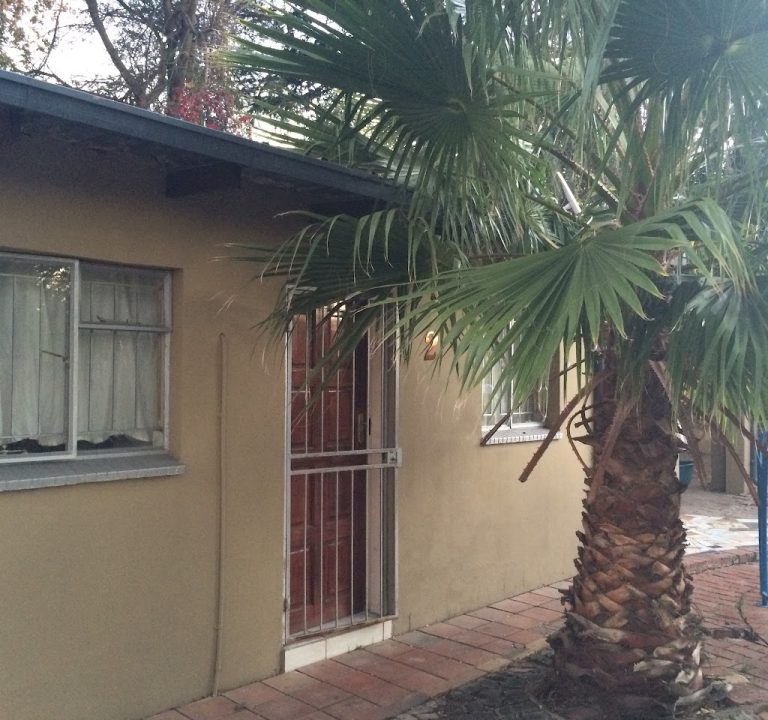
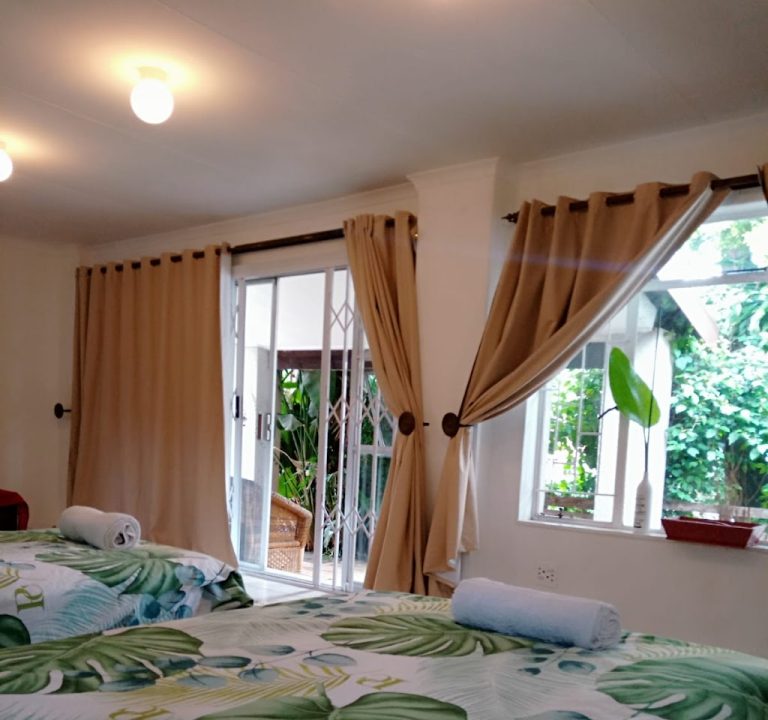
Guest houses, boutique B&bs and mid‑range hotels offer a friendly, more personal stay compared with larger corporate hotels. They often provide thoughtful arrangements such as breakfast options, secure parking, flexible check-in, and hosts who can share local tips. One example is Karibou Inn, a guest house with a warm, community feel and convenient access to central Johannesburg and neighbouring areas. You can explore its website for details on rooms and services: Karibou Inn.
Key areas to consider for accommodation include:
- Centre and Maboneng: for urban energy, street art, markets, and a compact travel footprint to museums and theatres.
- Rosebank and Melrose: good for shopping, dining, and easy access to parks and business districts.
- Sandton and Fourways: preferred by visitors attending conferences or seeking a modern, upmarket base with excellent transport links.
- Braamfontein and Newtown: a vibrant arts and culture corridor with bars, cafés and walkable streets.
- Parktown and Houghton Estate: a quieter, residential feel close to leafy parks and historic sights.
When choosing accommodation, look for practical amenities that make your stay comfortable and convenient. Essential considerations include secure parking or good public transport links, reliable Wi‑Fi, a well-equipped kitchen or continental breakfast, and flexible check-in arrangements. If you plan to drive, verify on-site parking availability and access routes to major highways. For those preferring not to drive, proximity to Gautrain stations or bus routes can be a major plus.
Typical amenities to expect or request include: en-suite bathrooms, air conditioning or ceiling fans, temperature control, comfortable bedding, and storage space for luggage. A guest house may offer a shared lounge, garden or outdoor seating, and courteous hosts who can arrange tours or local recommendations. Flexible dining options—such as a self‑service breakfast or a light evening meal—are common and practical for travellers coming in late or with varying schedules.
Practical planning tips for a smooth stay:
- Time your visit to suit your interests: Johannesburg experiences a mild winter in June to August and hot summers with occasional afternoon storms. Spring and autumn can offer pleasant weather for outdoor activities and city exploring.
- Plan transport in advance: while Uber and other ride-hailing services are widely available, having an address in a central area with easy access to main routes reduces time on the road. If you’re keen on exploring beyond the city centre, consider a guided day trip or arranging a driver for a full or half day.
- Balance your itinerary: mix museum visits and historical highlights with markets, shopping districts and parks. A relaxed afternoon in a neighbourhood hub with coffee shops and street art can be as rewarding as a museum morning.
- Stay connected with local advice: hosts and guesthouse managers often have insider tips on safe routes, best times to visit attractions, and where to find authentic, affordable meals.
Attractions and experiences in and around Johannesburg can be enjoyed at a comfortable pace. Beyond the city’s well-known cultural institutions, many visitors appreciate exploring local markets, contemporary art spaces, and well-kept parks. For dining, Jo’burg offers a range of eateries from casual cafés to stylish restaurants that showcase a mix of traditional flavours and modern twists. When selecting restaurants, consider places that source ingredients locally and offer dishes that reflect South Africa’s diverse culinary heritage. If you want a guided or curated experience, guests often find it helpful to ask accommodation hosts for recommendations or to arrange a brief, small-group tour focusing on galleries, markets, or historical sites.
Seasonal planning can enrich your trip. The drier winter months often bring clearer skies and more predictable travel conditions, while the shoulder seasons provide opportunities to enjoy outdoor spaces with fewer crowds. If friends or family will join you for part of your stay, you can tailor the plan to include a mix of comfortable rest days and engaging outings, ensuring there is downtime between long days of sightseeing.
For further information about a stay in Johannesburg and to explore guest house options like Karibou Inn, you can visit the associated website to review room types, rates, and location details. Planning ahead with a clear sense of which neighbourhood fits your travel style will help you make the most of your visit to Gauteng’s bustling heartland.