Exploring Johannesburg: Accommodation, neighbourhoods and how to plan a practical stay
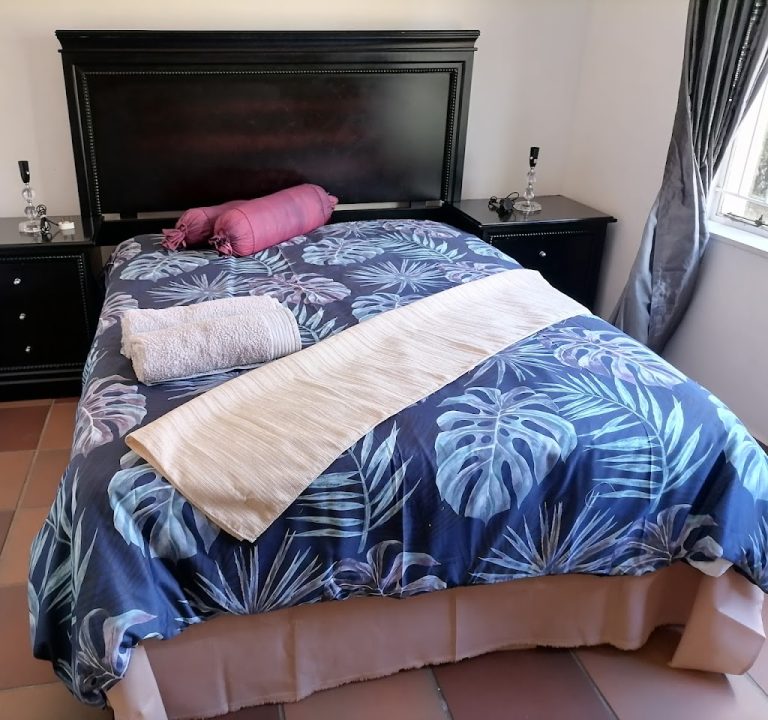
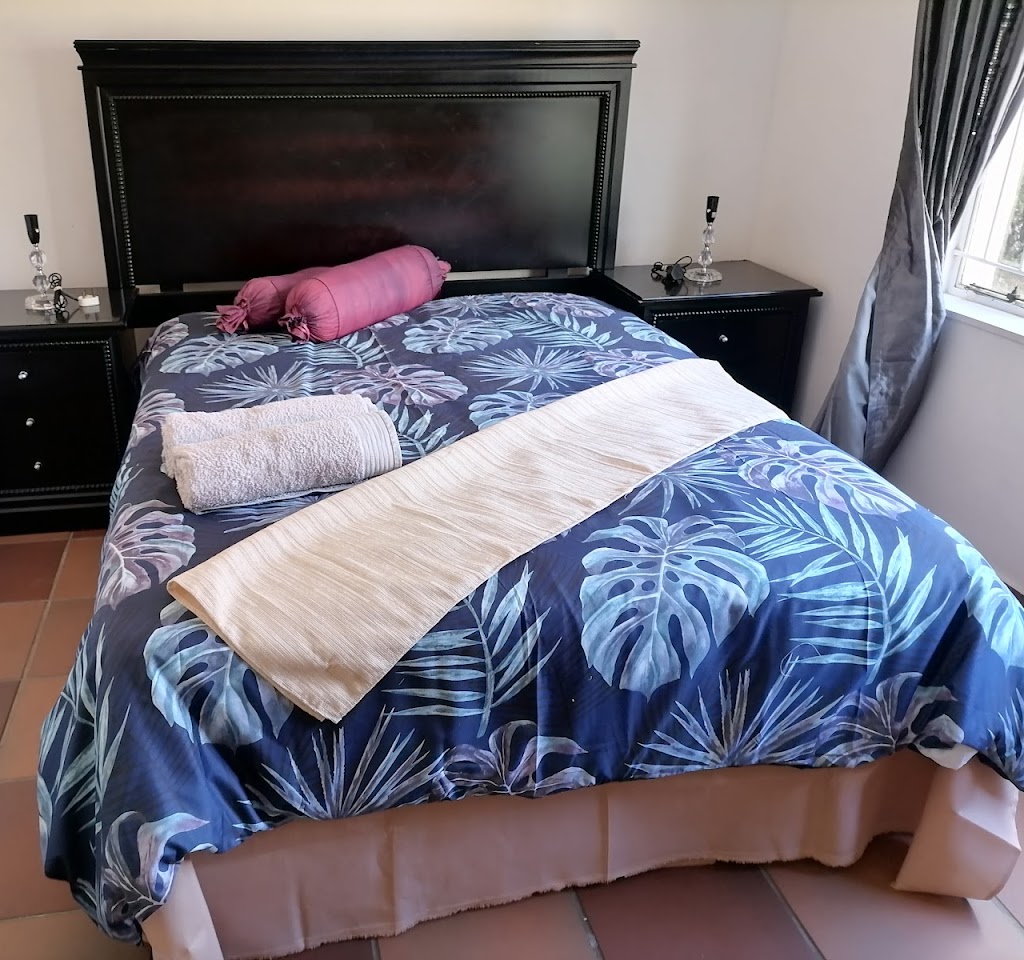
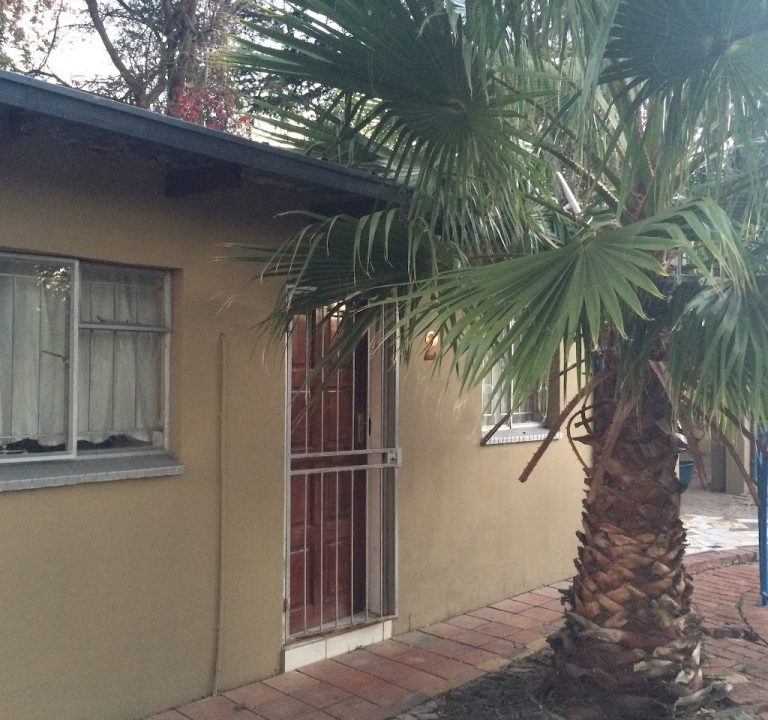
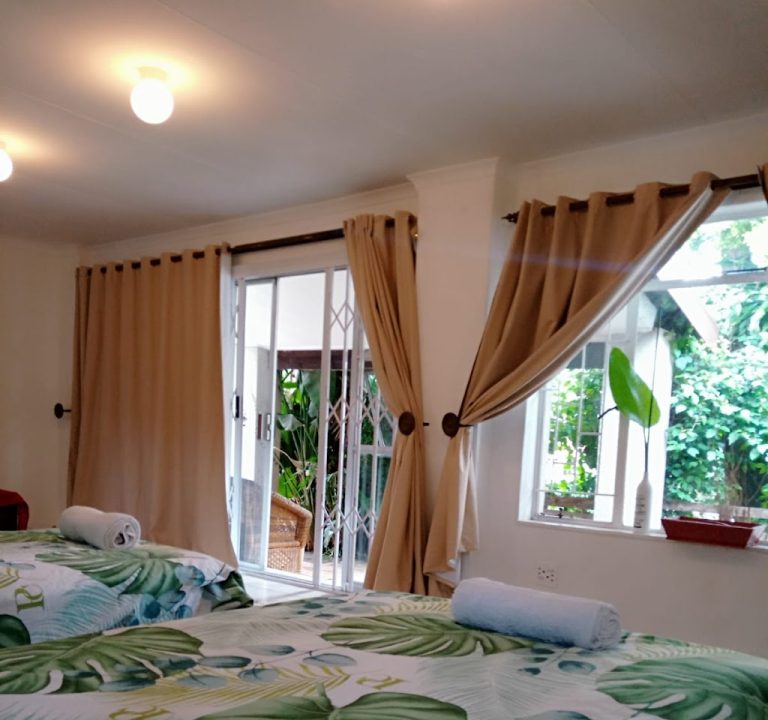
Johannesburg, or Jo’burg as many locals say, is a sprawling, dynamic city that blends modern business districts with vibrant cultural neighbourhoods. For visitors seeking a comfortable base, there are several accommodation options to suit different budgets and preferences. Self-catering apartments, guesthouses, boutique hotels and larger conferencing hotels sit alongside new eco-friendly developments, while a few outlying lodges offer a countryside feel just a short drive from the urban bustle. A notable example in the city’s spectrum is Friends Place with solar power, a self-catering option that demonstrates the growing interest in sustainable stays across Gauteng.
When planning a stay, consider the areas you’ll use as your anchor. Sandton and Marlboro are popular for business travellers and shoppers, offering easy access to malls, dining and major roads. The central business district and nearby Metro/Bo-Kaap-style quarters provide a wealth of history and culture, with a compact city feel, while colourful neighbourhoods in places such as Braamfontein and Newtown are known for hip cafés, nightlife, and live music. For a more relaxed pace, leafy northern suburbs and secure gated communities can provide quiet streets, parks and reliable transport links to the city centre. If you prefer a true South African experience, look for accommodation that engages with local markets, street food stalls and community projects—these can offer a deeper sense of place without sacrificing comfort.
What to look for when you book: good security is often a priority in Johannesburg, so check the building’s access arrangements, reception hours, and whether the property offers 24‑hour staff or on‑site management. A reliable wi‑fi connection is essential for many travellers, especially those balancing work with exploration. Confirm if the property has a kitchen or kitchenette, as self-catering options can be economical and convenient for longer stays. If you plan to travel by car, enquire about parking availability and whether it is on‑site, guarded or paid. For public transport users, ask about proximity to the Gautrain station, bus routes, or taxi services, and whether the area is friendly for pedestrians and safe at night.
Typical amenities to look for include a well-equipped kitchen or kitchenette, a comfortable living area, clean and well‑ventilated bedrooms, a reliable hot water supply, and efficient climate control. In Johannesburg, air conditioning can be particularly welcome in the hotter months, while a good heating system is useful for winter evenings. If eco-friendly features appeal to you, seek places with solar power, energy‑efficient lighting, and recycling facilities, which are increasingly common in newer or renovated properties. A communal or private outdoor space, such as a small garden or patio, can also add to the enjoyment of a stay, particularly during pleasant weather.
Transport in Johannesburg is broad and varied. If you’re driving, you’ll benefit from easy access to major highways, with attractions and shopping hubs surrounding the city centre. For those relying on public transport, a combination of the Gautrain network, local buses, and ride‑hailing services is common. Some areas are better traversed on foot or by bicycle, though traffic can be congested during peak hours. When you book, ask about parking arrangements, proximity to rail or bus stops, and typical transit times to your planned activities. For day trips, know that some attractions are spread out across the wider Gauteng region, so a flexible schedule and a car rental or agreed driver can be a practical arrangement.
Best time to visit Johannesburg generally falls outside the peak rainy season, with dry winter months from May to August offering pleasant daytime temperatures and cooler evenings. Summer can be warm and occasionally wet, but it’s also when the city feels most alive, with outdoor markets, food stalls and park events. If you plan outdoor experiences, keep an eye on local weather forecasts and choose accommodation with shaded outdoor spaces or air conditioning to stay comfortable.
To help you plan a balanced stay, consider a simple mix of days in central, cultural districts and days exploring quieter suburbs or nearby natural areas. A sample outline could include a few nights in a well‑located self‑catering apartment in or near the central business district for easy access to museums, galleries and cafés, followed by a couple of nights in a guesthouse or small hotel in a leafy suburb to unwind and enjoy longer meals or nearby parks. If sustainable accommodation matters to you, seek out properties that highlight solar power, water‑saving features and ethical practices. Look for places with clear, honest descriptions of what’s included in the rate and check guest reviews for notes on cleanliness, security, and responsiveness of the host or manager.
Nearby attractions and experiences are plentiful, ranging from large urban parks and viewpoints to cultural centres and markets. In general terms, visitors can expect a mix of art and history venues, diverse dining scenes and opportunities to learn about the city’s complex past and contemporary life. Restaurants across the city cover a spectrum from casual eateries to more refined dining rooms, with plenty offering contemporary South African flavours, international cuisines, and easy, family-friendly options. When researching places to eat, you’ll find recommendations across price ranges and neighbourhoods, with most venues welcoming stroll‑ins or pre‑booking through their websites.
In short, Johannesburg rewards well-planned stays: choose a location that minimises transit time to your priorities, ensure reliable amenities, consider eco‑friendly options if that matters to you, and allow room for spontaneous discoveries in the city’s energetic districts. With careful selection, your visit can balance comfortable accommodation, convenient transport, and immersive experiences that reveal the city’s warmth, complexity and energy.