Accommodation and Experiences in Johannesburg, Gauteng: Planning Your Stay
Johannesburg, or Jo’burg as many visitors say, is a dynamic gateway to South Africa’s highveld and a city of diverse neighbourhoods, cultural sites and a lively dining scene. Whether you favour stylish city-centre hotels, boutique guesthouses, or welcoming homestays, the options are spread across areas that each offer a distinct flavour. A well-planned stay can balance restful bases with easy access to museums, markets, parks and the city’s many experiences.
When choosing where to stay, consider the vibe you want and how you will get around. The northern suburbs, including Sandton and Rosebank, tend to offer modern hotels, large shopping centres, and straightforward access to business districts. In central Johannesburg, areas such as Braamfontein and Maboneng are known for boutique stays, vibrant street life, and proximity to galleries and eateries. For a quieter, more intimate option with a local flavour, a homestay in a leafy suburb or along the outskirts of the city can provide warm hospitality and insider recommendations, often with easy access to key transport routes.
Typical accommodation features to look for include secure parking or reliable transport links, 24‑hour reception or on-site management, high-speed wi‑fi, comfortable bedding, and clean communal spaces. Breakfast can range from a simple continental spread to full cooked options; many properties also offer self-catering facilities or well-equipped kitchens. If you value a personal touch, homestays and guesthouses often provide insider tips on the best markets, neighbourhood walks and family-friendly activities. Booking platforms commonly highlight guest reviews, which can reveal practical details about soundproofing, air conditioning for Jo’burg’s warmer months, and the friendliness of hosts.
Transport is a practical consideration. The Gautrain links Johannesburg with Pretoria and the airport region, while Uber, Bolt and taxi services are widely available across the city. If you plan day trips to Soweto, the Cradle of Humankind, or other suburbs, it helps to choose a stay with easy access to major roads or well-connected public transport options. For those who prefer a car-free approach, staying near central transport hubs such as Rosebank or Park Station can simplify connections to museums, markets and dining districts.
Best time to visit Johannesburg typically falls in spring (September to November) and autumn (March to May), when the weather is temperate. The city experiences a summer rainy season, and evenings can be chilly in winter, so packing layers is sensible. If you are aiming to combine city life with outdoor excursions, plan for mild days and cooler evenings, and be mindful of afternoon thunderstorms in the warmer months.
Practical planning tips to help you make the most of your stay:
- Check security features and guest reviews for safety-conscious areas and properties with good lighting, secure access, and on-site staff or hosts.
- Assess distance to your planned activities and dining options; map out a rough itinerary to cluster sites by neighbourhood.
- Consider a mix of a comfortable base and a couple of shorter stays in different districts to sample city life from varied perspectives.
- Ask about local night-life hours, parking arrangements, and early check-in or late check-out policies if you have restless travel plans.
- Respect local culture and etiquette; hosts often have tips on markets, communities and safe routes for evening strolls.
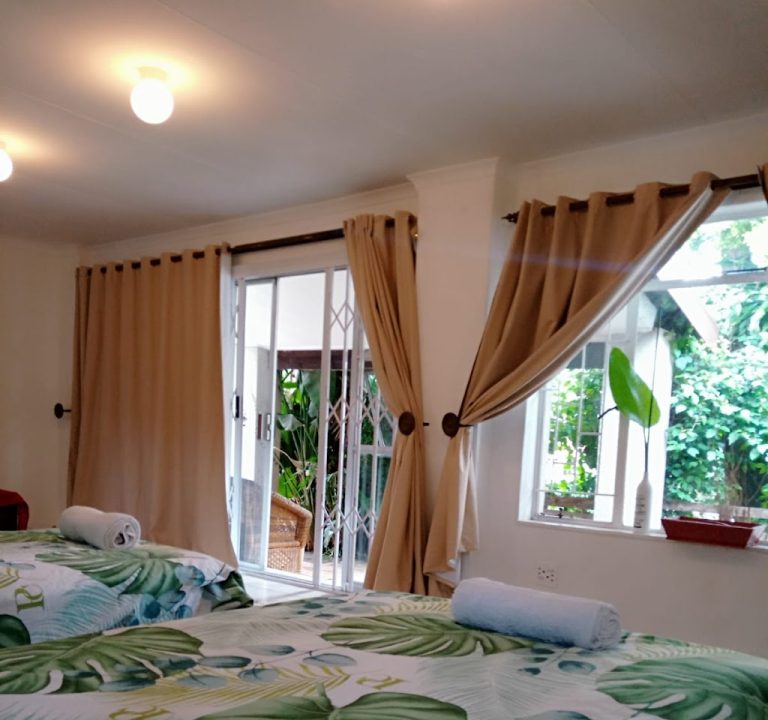
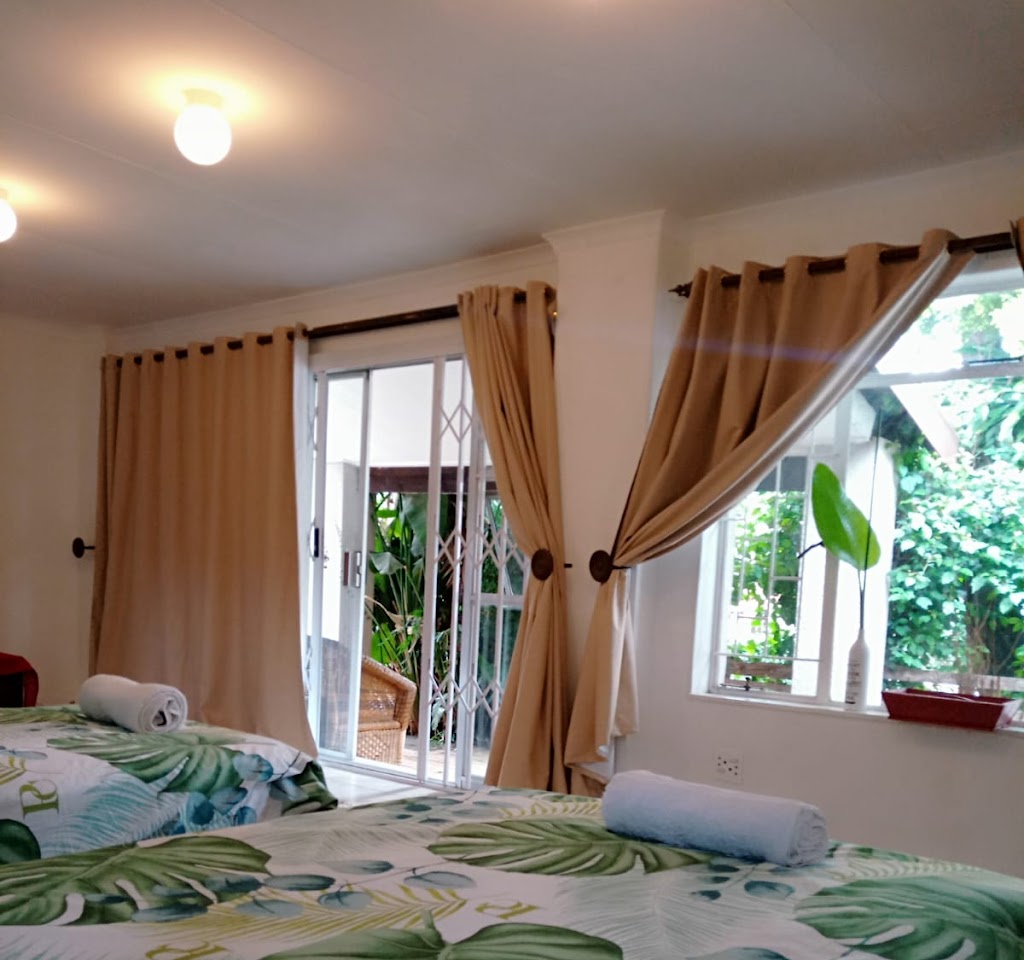
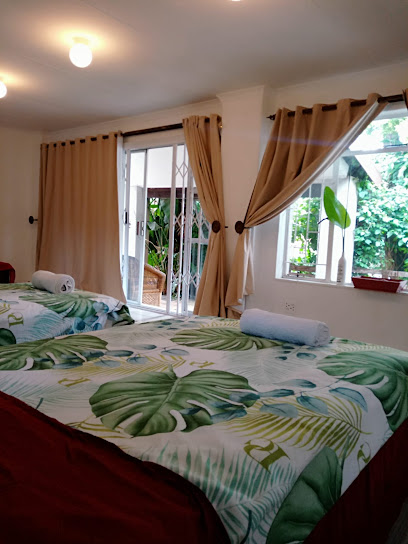
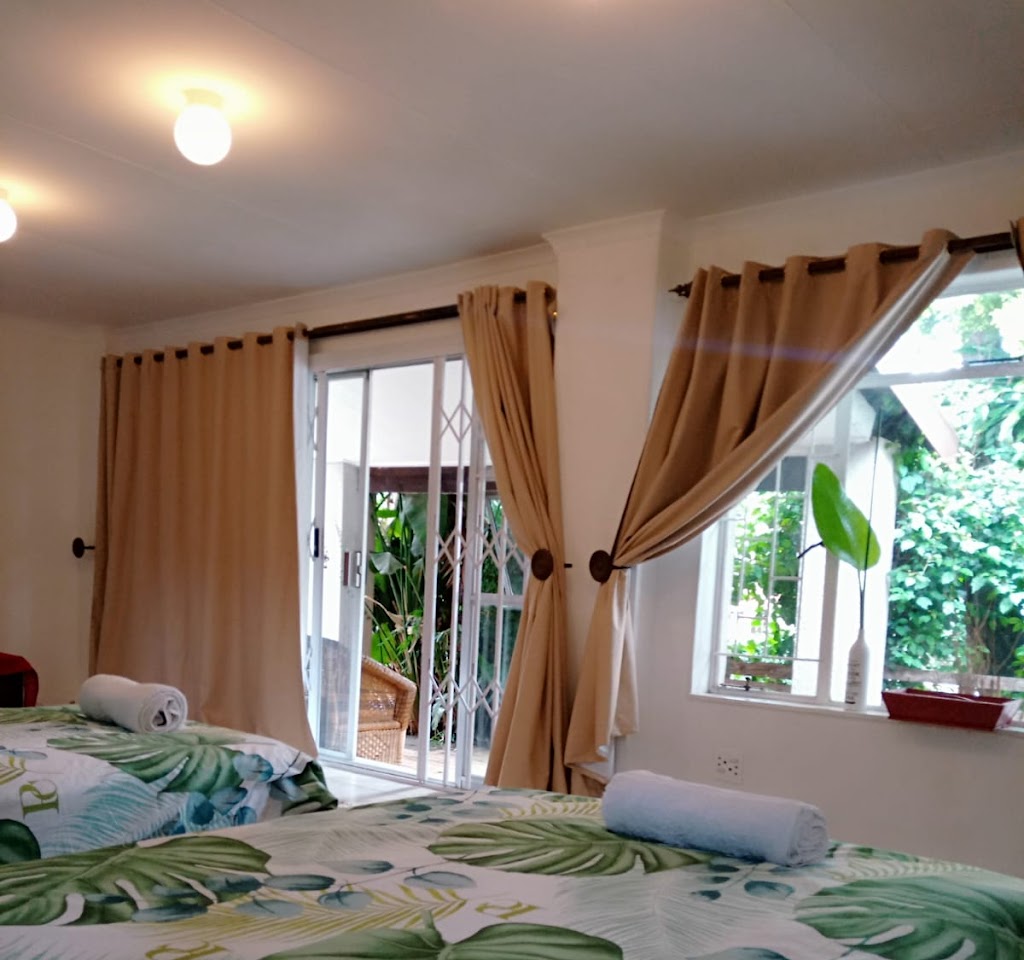
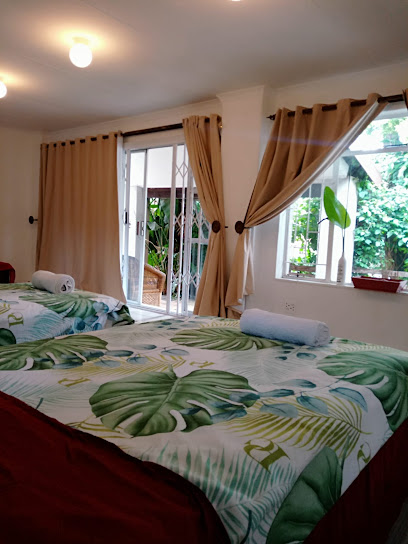
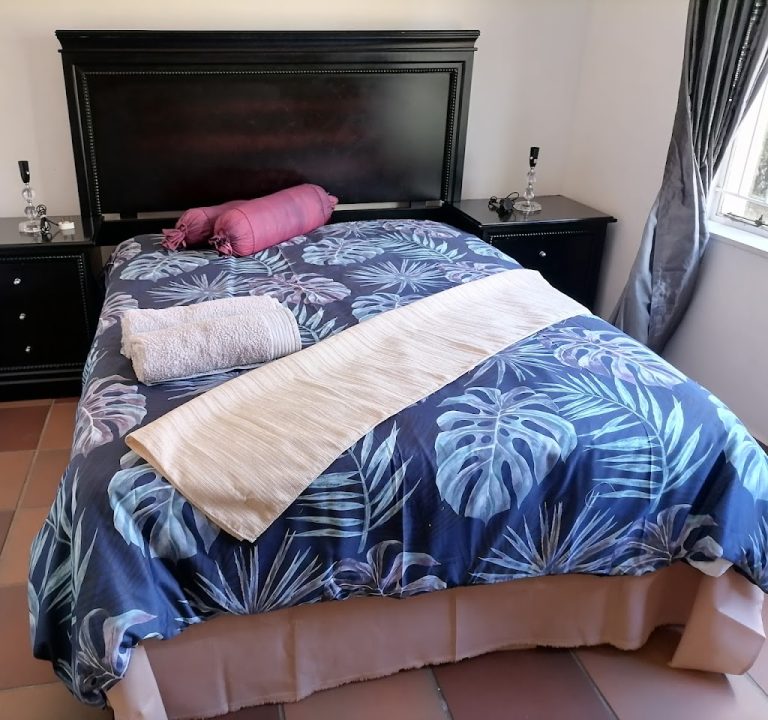
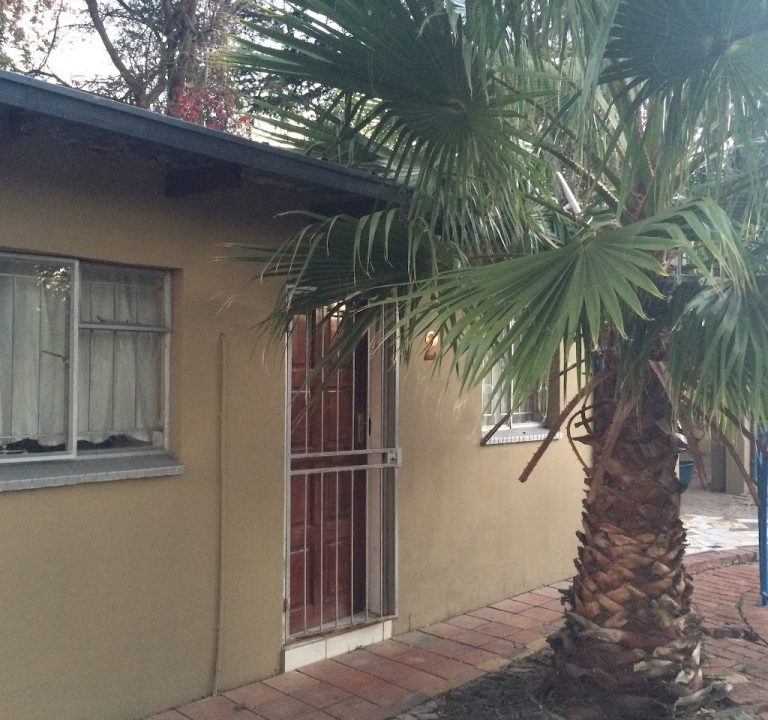
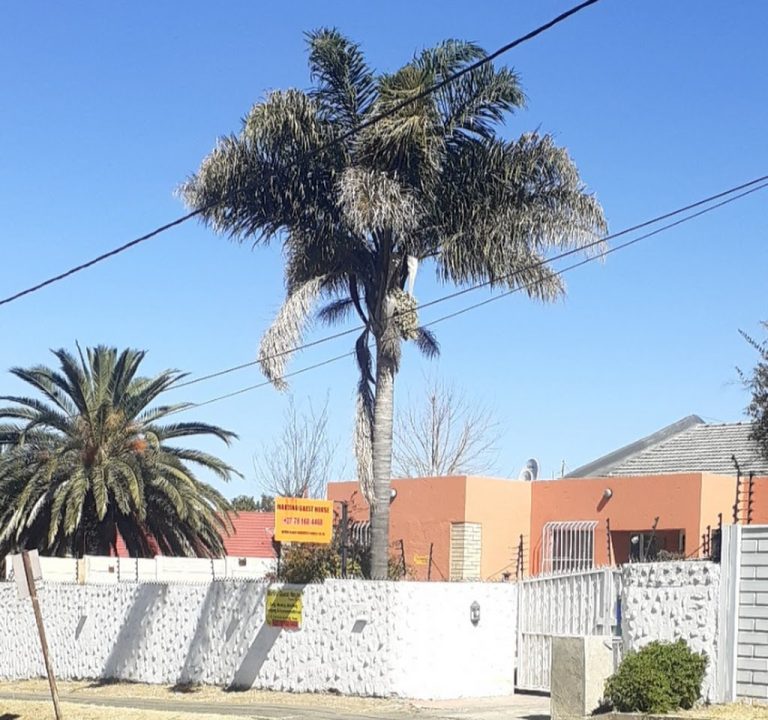
One appealing option worth exploring for travellers seeking a homely touch is Lyndhurst River Lodge, a homestay-style accommodation that offers a more intimate stay with a local host’s guidance. Such properties can provide a personal welcome, helpful neighbourhood recommendations and the chance to observe daily life in a Johannesburg suburb while still enjoying comfortable facilities.
A broad view of attractions helps to shape your itinerary. In central and northern parts of the city, you’ll find world-class museums and historical sites that delve into South Africa’s past, alongside contemporary art galleries and design-forward venues. In addition to museums, Johannesburg offers vibrant markets, city walks, and family-friendly parks. Outside the urban core, planned day trips can reveal the region’s natural beauty and archaeological sites. Dining in Johannesburg is varied and lively, with an emphasis on multicultural flavours, trendy cafés in arts districts, and refined restaurants in city hotels and boutique guesthouses. While specific venues and menus change over time, visitors will generally encounter inventive dishes that celebrate local ingredients and culinary influences from across the continent.
When planning practical details, consider the following:
- Budgeting for accommodation should include potential extras such as breakfast options, parking charges and any city taxes or housekeeping fees.
- Check cancellation policies—flexible options are valuable if travel conditions shift or local events influence schedules.
- Look for host recommendations on safe walking routes, markets, and family-friendly activities suitable for all ages.
- Factor in time for spontaneous exploration; Johannesburg’s neighbourhoods each offer their own character, from street art to markets and green spaces.
In sum, a well-planned Johannesburg stay blends a comfortable base with easy access to culture, food and the city’s lively streets. By selecting a neighbourhood that aligns with your pace, prioritising practical amenities and transport, and embracing the local hospitality of homestays or guesthouses when desired, you can craft an enriching itinerary that showcases both the city’s history and its contemporary energy. As you plan, leave room for serendipity—some of Johannesburg’s best experiences come from unplanned conversations, a walk through a new precinct, or a friendly recommendation from your host.