Johannesburg: Where to stay, what to do, and how to plan a memorable visit
Johannesburg, Gauteng’s lively urban hub, offers a diverse mix of accommodation from chic city-centre pads to leafy lodges on the outskirts. When planning a stay, consider the neighbourhood’s character and access to transport, dining options, and the specific experiences you want to prioritise. Whether you favour a stylish hotel in the northern business districts, a characterful guesthouse in a historic neighbourhood, or a lodge that blends comfortable retreat with easy city access, Johannesburg can tailor a stay to suit nearly every preference.
Areas to consider when booking include:
- Sandton and Dupont/Hyde Park: Known for polished hotels, modern apartment stays, and close proximity to high-end shopping and corporate hubs. Good for business travellers and families seeking a central base with easy road and Gautrain access.
- Rosebank and Melrose Arch: Vibrant, with easy access to markets, galleries, and dining. Often a convenient springboard for day trips and city exploring, with good public transport links.
- Braamfontein and Maboneng: Trendy, walkable quarters packed with eateries, street art, and cultural venues. Best for guests who enjoy a lively urban scene and compact distances between sights.
- Soweto and nearby outskirts: Rich in history and authentic urban character. Lodges and guesthouses here offer a gateway to guided tours and community experiences.
- Emmarentia and Rose Street areas near parks: A calmer option with leafy streets, cafés, and proximity to nature trails and waterfronts around the city’s reservoirs.
When selecting accommodation, look for these typical amenities and features to ensure a comfortable stay.
- Secure, 24-hour reception or clear, dependable access arrangements
- Complimentary or reasonably priced breakfast options
- Wi‑Fi, work-friendly spaces, and charging convenient locations
- On-site parking or easy, safe parking alternatives nearby
- Access to a reputable restaurant or in-house dining facilities
- Air conditioning or good ventilation, essential for Johannesburg’s climate
- Concierge services, information about local tours and transport
- Accessible transit links to central sights, museums, markets, and entertainment
Transport in Johannesburg is central to a smooth stay. The city is well served by the Gautrain between OR Tambo International Airport and the northern business hubs, and by a network of affordable taxis and rideshare options within the city. If you plan to explore beyond central rings or travel with family, a lodge or guesthouse offering parking and a trusted transfer service can be particularly convenient. For those who enjoy a more self-directed itinerary, renting a car provides flexibility to venture to markets, nature reserves, and nearby townships with confidence.
Best time to visit Johannesburg is typically during the dry winter season from May to September, when daytime temperatures are comfortable and the skies are clear for outdoor exploration. Summer (November to February) brings lively energy and occasional afternoon thunderstorms, which can be ideal for refreshing breaks after sightseeing. Plan for sun protection and hydration, and pace your days to avoid the peak heat of mid-afternoon, especially if you are outdoors for extended periods.
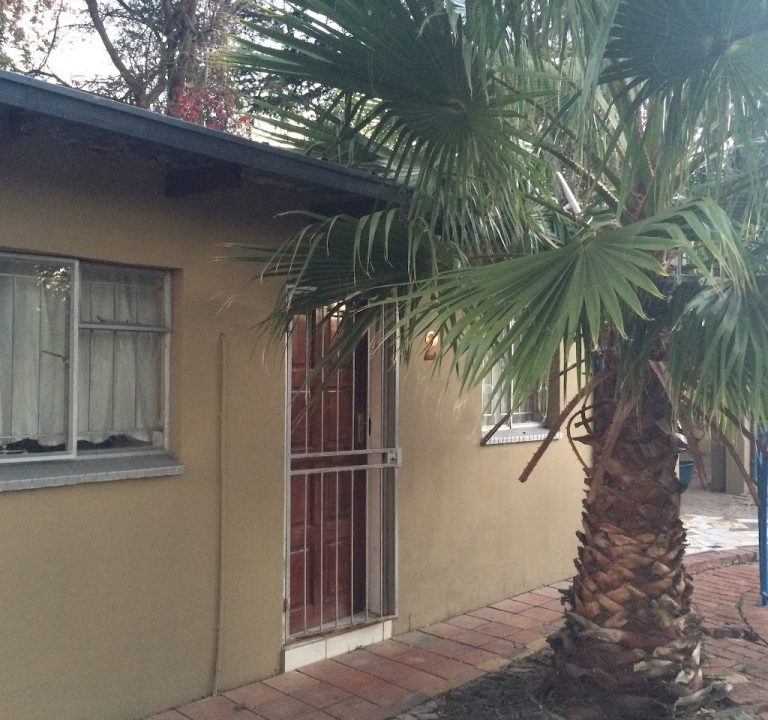
Accommodations in Johannesburg range from contemporary hotels with business facilities to boutique guesthouses that emphasise personal service and a sense of place. A lodge such as HORSE’S NECK GUEST LODGE can illustrate how a smaller property blends rustic charm with practical comforts—quiet rooms, ample common spaces, and friendly staff ready to organise customised experiences. When considering a lodge, ask about the surrounding neighbourhood, local safety considerations, and whether the property can assist with arranging guided tours, township visits, or evening city strolls.
Planning your stay should also include practical tips to help you maximise your time and avoid common pitfalls. Book well in advance if you’re visiting during peak travel periods or around major events, and confirm cancellation policies in writing. Check proximity to your planned activities: museums, cultural centres, markets, and dining hotspots are often clustered in central precincts, but some quarters are superb for evening strolls and casual meals after a day of exploring.
Dining in Johannesburg is diverse, ranging from vibrant street-food markets to refined eateries offering contemporary South African flavours. In general terms, look for areas with a concentration of eateries—these often provide a mix of casual cafés, bistros, and family-friendly venues. While many venues update their openings and menus seasonally, you can typically expect warm hospitality, generous portions, and a focus on seasonal ingredients.
For a well-rounded visit, plan a balance between designed experiences and spontaneous discoveries. You might spend mornings visiting cultural museums or galleries, afternoons strolling through markets or green spaces, and evenings sampling local cuisine or catching a live music performance in a welcoming venue. Ask your accommodation host or front desk for current recommendations on safe routes, public transport timing, and any temporary closures that may affect your plans.
With thoughtful preparation and flexible planning, Johannesburg can offer a richly rewarding stay, combining comfortable accommodation with dynamic urban experiences and easy access to nearby natural and historical sights. Whether you favour a polished city centre base, a hip urban enclave, or a quiet lodge on the city’s edge, you’ll find that the city’s pace, warmth, and versatility make for an engaging South African getaway.