Johannesburg: accommodation choices, planning tips, and a taste of the city
Johannesburg, or Jo'burg as locals sometimes say, is a dynamic hub where art, history, and modern enterprise sit side by side. Whether you favour a stylish guest house in a leafy suburb or a contemporary hotel near the city’s lively quarters, planning your stay around areas with easy transport links and a sense of place will help you make the most of your visit. A stay in Johannesburg can be as relaxed or as bustling as you choose, with options that range from intimate guest houses to larger hotels and serviced apartments.
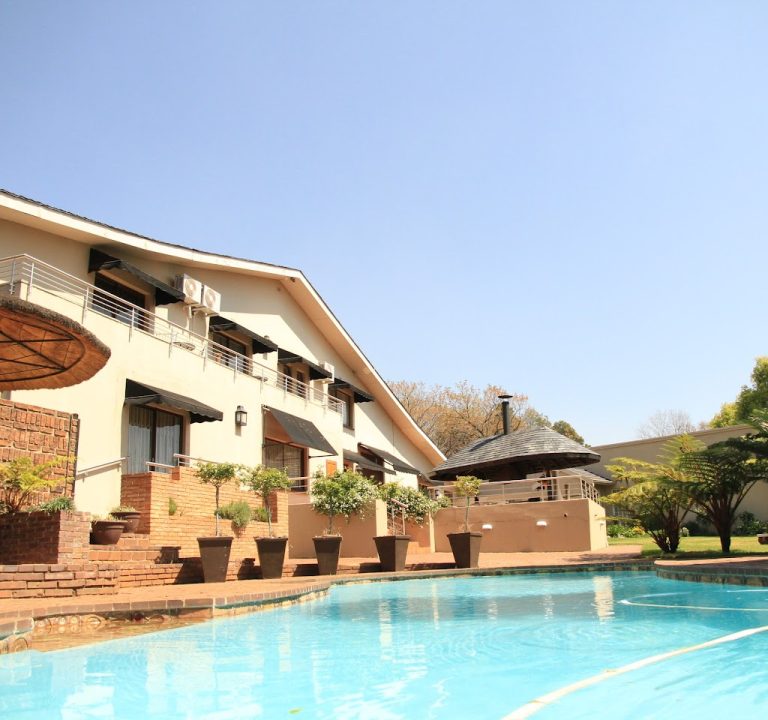
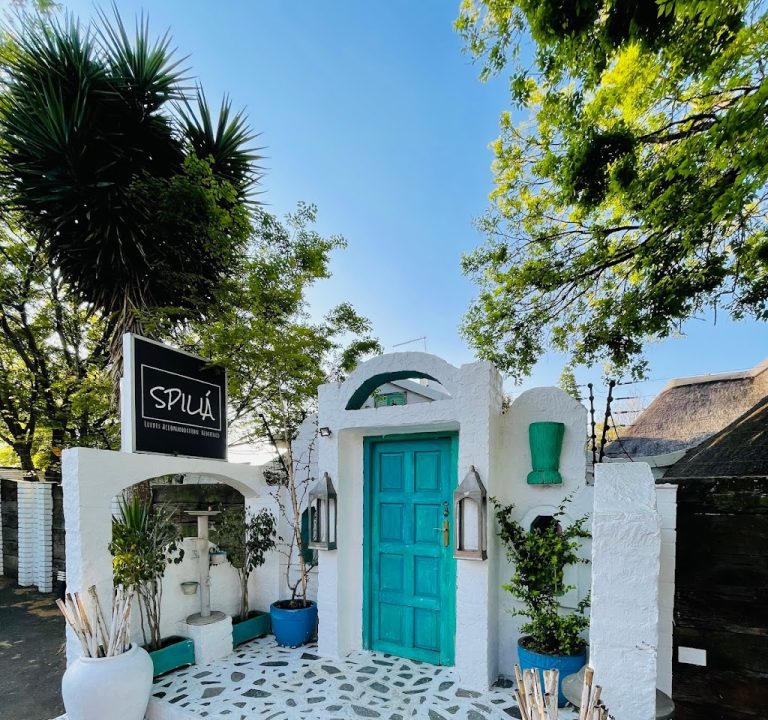
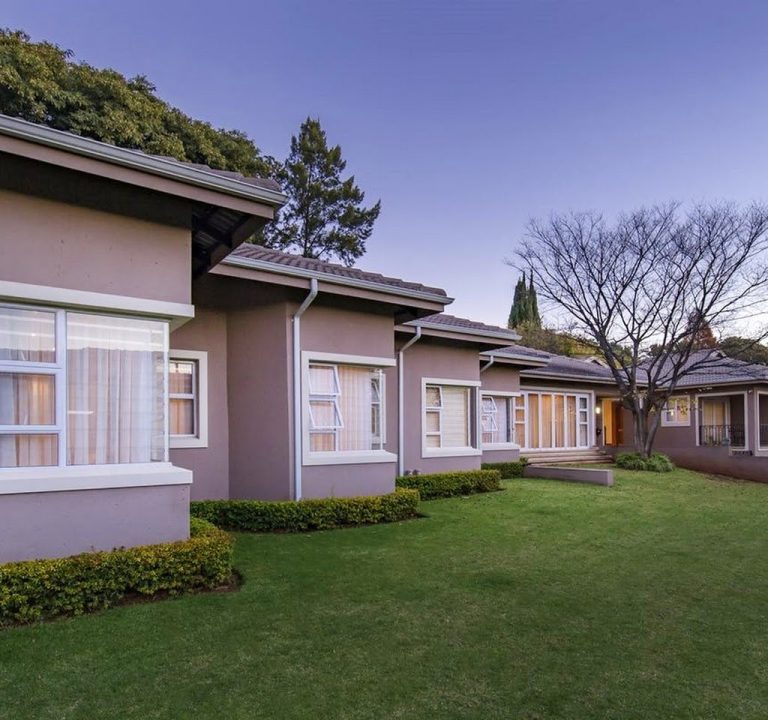
When choosing accommodation, consider the vibe you want. If you prefer tree-lined streets, characterful period homes, and personalised service, a guest house such as Edward Guest House (where appropriate) can offer a homely base with breakfast and a familiar feel. If you’d rather stay closer to business districts or cultural hubs, modern hotels and contemporary lodges in central or northern suburbs provide quick access to transport routes and nightlife. Look for hosts or staff who can share local tips, as a knowledgeable concierge can unlock the city’s hidden gems beyond the usual sights.
Areas to consider include:
- Central Johannesburg and the CBD: great for museums, theatres, and a sense of the city’s pulse. Staying nearby means shorter drives or walks to many attractions, with easy access to public transport and ride-hailing options.
- Sandton: the financial heart with upscale dining, shopping, and a range of modern hotels. It’s well connected to the Gautrain and highways, making day trips to surrounding areas straightforward.
- Rosebank and Melville: strong on cafes, markets, and boutique stays. These areas offer a more relaxed pace while staying well connected to the city’s key sights.
- Braamfontein, Newtown, and Maboneng Precincts: vibrant neighbourhoods famed for their street art, small theatres, and hip restaurants. They’re ideal for guests who enjoy an urban, walkable base with plenty of energy.
- Parks and residential suburbs: quiet streets, charming guest houses, and easy access to parks and golf clubs, suitable for travellers seeking downtime between city excursions.
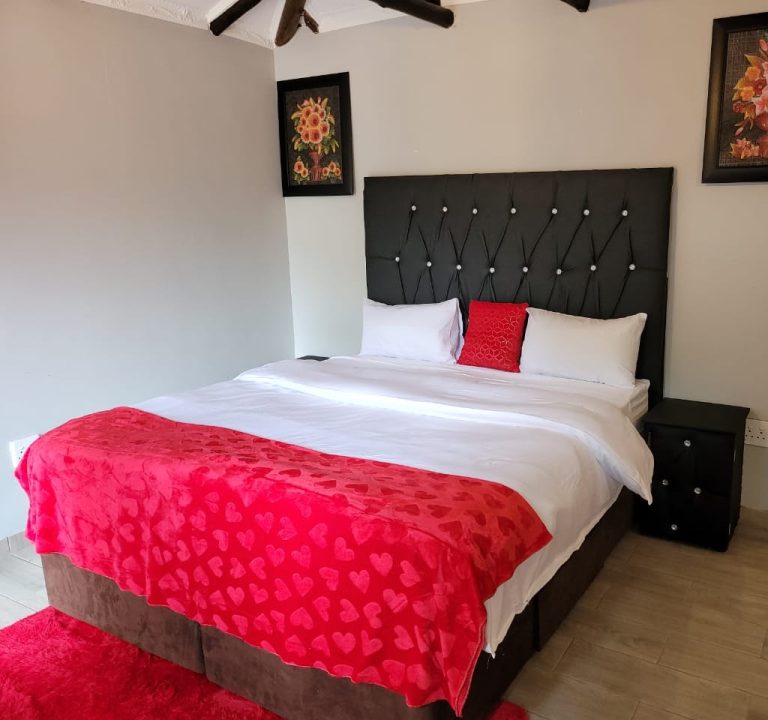
Typical amenities to look for include reliable high‑speed Wi‑Fi, secure on-site parking or nearby parking options, generous breakfast offerings, and clean, comfortable rooms with ensuite facilities. If you’re planning longer stays, check for self‑catering facilities, laundry services, map and transit information, and a friendly reception that can help organise tours or restaurant reservations. A guest house may offer personalised touches such as local knowledge, curated itineraries, or in‑house breakfast that showcases regional produce, which can enrich your stay beyond the basics.
Transport is a practical consideration in Johannesburg. The city operates a broad road network and an expanding rail system, with ride‑hailing services widely available. If you plan day trips or longer explorations, staying with convenient access to major routes or a Gautrain station can save time. For those arriving by air, make note of transfer options to your accommodation and how far the property is from the airport or major hubs. In the city centre, walking is feasible for short distances, but for full day itineraries, a mix of taxis, rideshare, and light rail is common.
Best time to visit Johannesburg depends on what you want from your trip. The southern African climate lends itself to outdoor exploration for much of the year, with warm summers and cooler winters. The dry season tends to offer clearer days for outdoor activities and city tours. If you’re keen on markets, galleries, and street art very much in evidence, plan to explore neighbourhoods on foot in daylight hours, and allocate time to rest indoors or in shaded outdoor spaces during the hottest parts of the day in summer.
When designing your itinerary, balance must‑do museums and galleries with time to discover neighbourhoods on foot. In addition to the major cultural sites, Johannesburg’s markets, street food scenes, and casual dining venues give a sense of the city’s contemporary life. Dining experiences can range from polished restaurants in mixed‑use precincts to laid‑back eateries in residential streets—great for sampling a range of textures and flavours in a single visit. Keep in mind that restaurant opening hours may vary, and many venues are busy on weekends, so booking ahead is sensible where possible.
Practical tips to ensure a smooth stay:
- Check access to transport from your chosen accommodation and consider proximity to Gautrain stations or major bus routes.
- Ask about breakfast inclusions, parking arrangements, and whether rooms offer blackout curtains for restful mornings or late starts.
- Pack layers for variable weather and be prepared for a sunny day without neglecting a light jacket for cooler evenings.
- Have a plan for safety in urban areas: keep valuables secure, use trusted transport, and stick to well‑lit neighbourhoods after dark.
- Leave some time in your itinerary for spontaneous discoveries—street art tours, local coffee shops, and pop‑up markets can be highlights of a Jo’burg visit.
For ideas on where to stay, browse accommodation options with strong guest reviews, clear policies, and convenient access to the city’s highlights. Pair your lodging choice with curated experiences—whether it’s a guided city walk, a food‑and‑drink itinerary, or a cultural tour—to add depth to your Johannesburg stay. And remember, the capital’s energy often lies in its contrasts: a quiet morning in a guest house followed by an afternoon exploring a dynamic urban precinct, all within reach of the city’s many attractions and eateries. For more information, official tourism resources and local guides can help tailor a memorable itinerary to suit your pace and interests.