Johannesburg: Accommodation and a First-Tour of Gauteng’s Vibe Capital
Johannesburg, or Jo’burg as many locals call it, is a spread of neighbourhoods rather than one single district. Its accommodation options range from boutique guesthouses tucked into leafy suburbs to polished hotels in the business hubs. Planning a stay means thinking about what you want to experience, how you’ll move around, and where you’ll be based for the bulk of your visit. Popular areas include Sandton for high-end shopping and dining, Rosebank for easy access to markets and gallery streets, Maboneng and Braamfontein for a creative pulse, and Melville or Bedfordview for quieter pockets with convenient transport links. For those exploring history, Soweto is a must-visit area that offers meaningful insights alongside comfortable stays just outside the city centre.
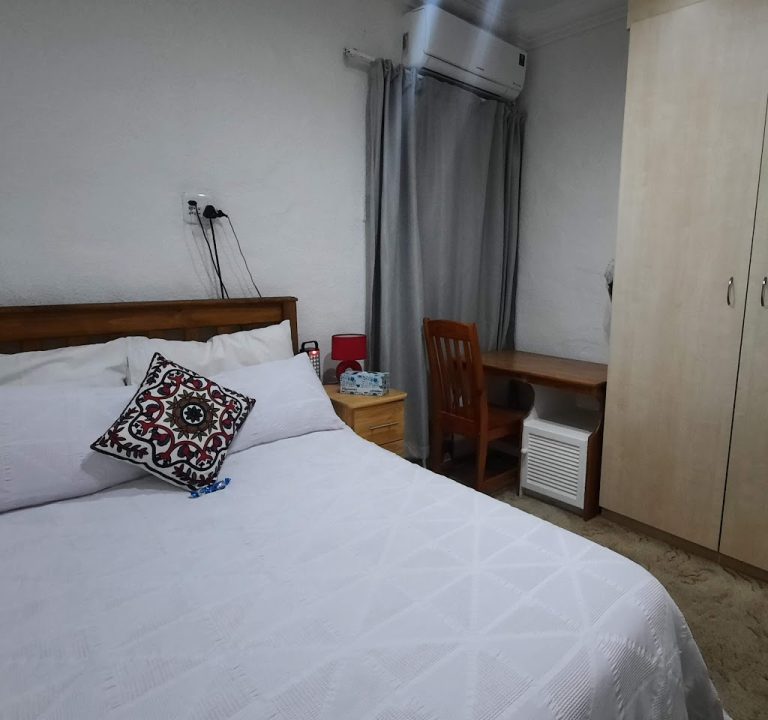
When booking, consider the type of accommodation that best suits your trip. Boutique guesthouses and B&Bs in residential streets often provide a personalised welcome, with hosts happy to share local tips, while modern hotels nearby major transport hubs prioritise reliability and speed. In central blocks you’ll find contemporary rooms with strong Wi‑Fi, reliable breakfast options, and on-site facilities such as gyms or business lounges. If you’re travelling with family or a group, serviced apartments can offer the space and the convenience of self-catering alongside hotel services.
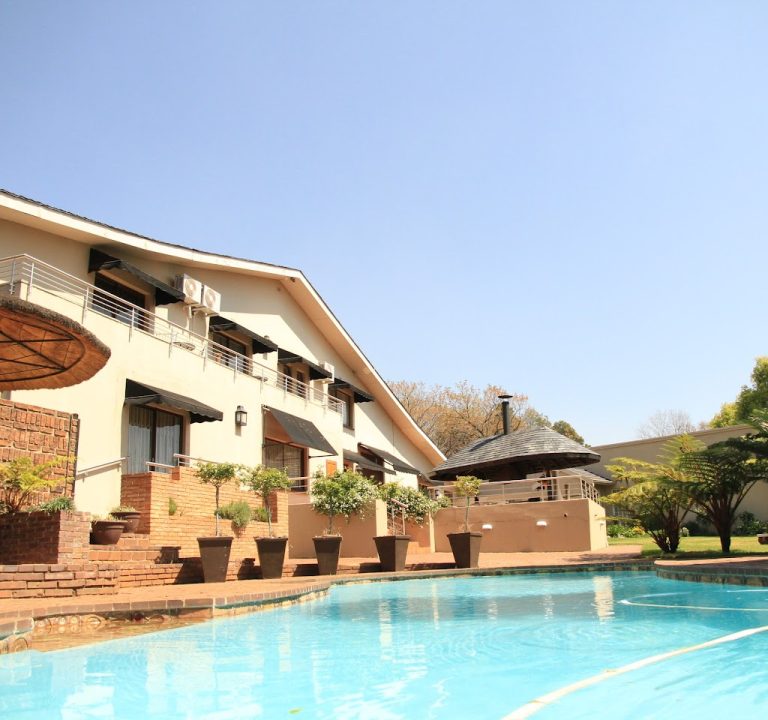
Typical amenities to look for include secure parking or convenient public transport access, strong guest reviews, and staff who can assist with planning day trips. In Johannesburg, being able to access Gautrain stations or major bus routes quickly makes a big difference. Many properties will offer shuttle services to key districts, or arrange guided experiences. Breakfast is often a convenient way to start a day of sightseeing, while a pool or outdoor terrace can be a welcome retreat after busy afternoons. For longer stays, a well-equipped kitchenette, laundry facilities, and a quiet work area can transform a stay into a comfortable home base.
Transport is a practical consideration. The Gauteng region is well served by Gautrain rails linking to Johannesburg’s suburbs and Pretoria, with local taxi and ride-hailing options available throughout. If you plan day trips to nearby UNESCO sites or wildlife reserves, look for properties that can help arrange or advise on guided tours. Road access is good, but some central streets can be busy during peak hours, so it helps to have flexible plans or to stay closer to a rail link if you prefer avoiding traffic.
Best time to visit Johannesburg is typically during the southern hemisphere’s spring and autumn shoulder seasons, when the weather is mild and the city feels particularly walkable. Summers can be hot and humid, with afternoon thunderstorms, while winters are dry and cool but crisp and bright. If you’re seeking outdoor markets, cultural festivals, and street life, plan around the city’s event calendar and consider staying in places with easy access to multiple districts so you can swap from daytime markets to evening concerts without long commutes.
In terms of experiences beyond your lodging, Johannesburg offers a mix of cultural, historical, and culinary highlights. You might enjoy taking a city walk through art-adjacent neighbourhoods, visiting crafts markets, or exploring museums that tell South Africa’s complex story through engaging exhibits. For food lovers, you’ll find a spectrum from vibrant street-food stalls to contemporary restaurants focusing on seasonal produce and modern techniques. There are plenty of casual cafes where you can watch the city go about its day, and some finer dining options that make the most of local ingredients, all within a short taxi ride of most major hotels and guesthouses.
Booking tips to help you secure the best value and comfort include:
- Define your base: choose a neighbourhood that reduces travel time to the experiences you want to prioritise, whether it’s business districts, markets, or cultural quarters.
- Check security and access: look for properties with reliable security measures and good lighting at night, especially if you’ll be returning late from evenings out.
- Review the cancellation policy and inclusions: many places offer flexible options and boost value with breakfast, parking, or spa access included.
- Assess the transport plan: verify proximity to rail stations or major bus routes, and whether the property can arrange trusted transfers from the airport or station.
- Balance comfort and accessibility: for longer stays, a kitchenette and laundry facilities can be a real convenience; for shorter trips, a comfortable bed and dependable Wi‑Fi may take priority.
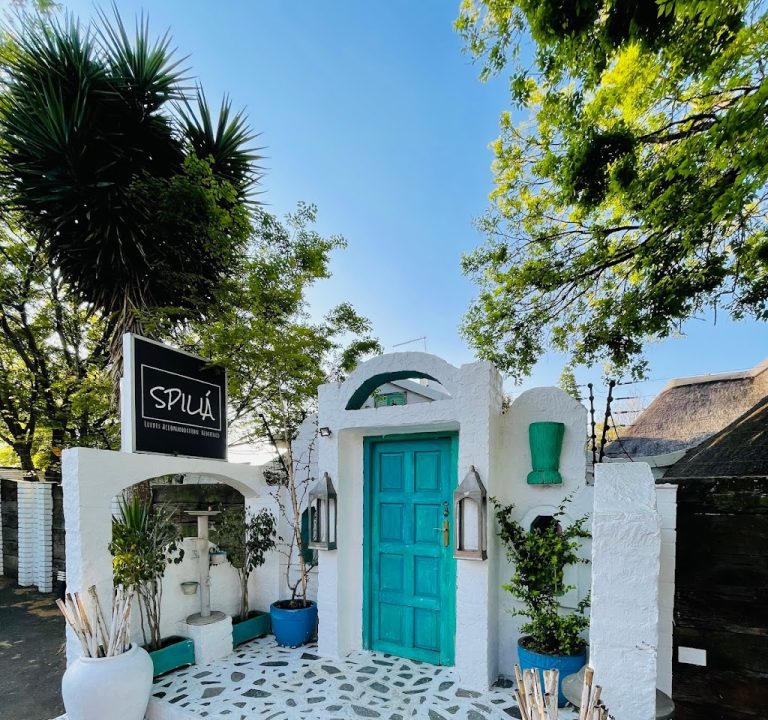
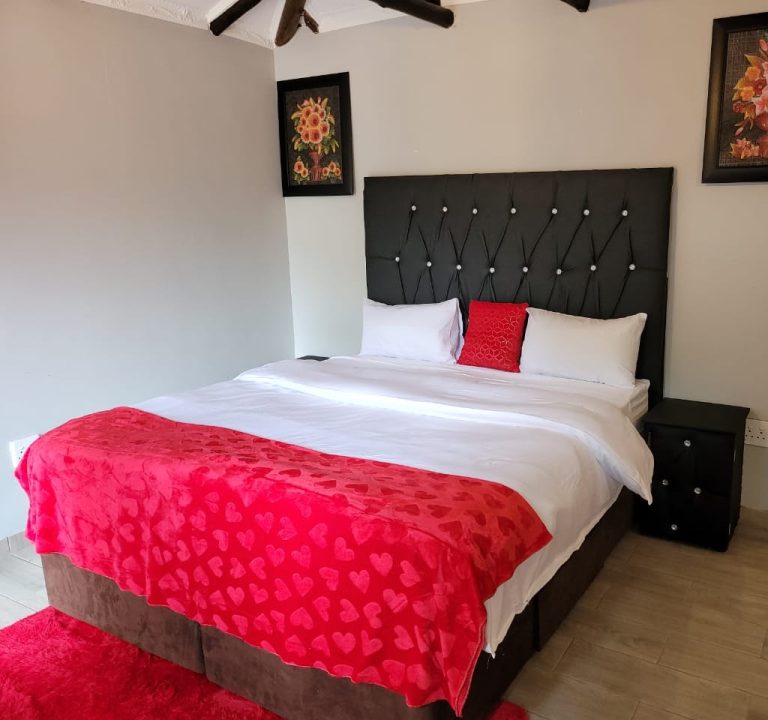
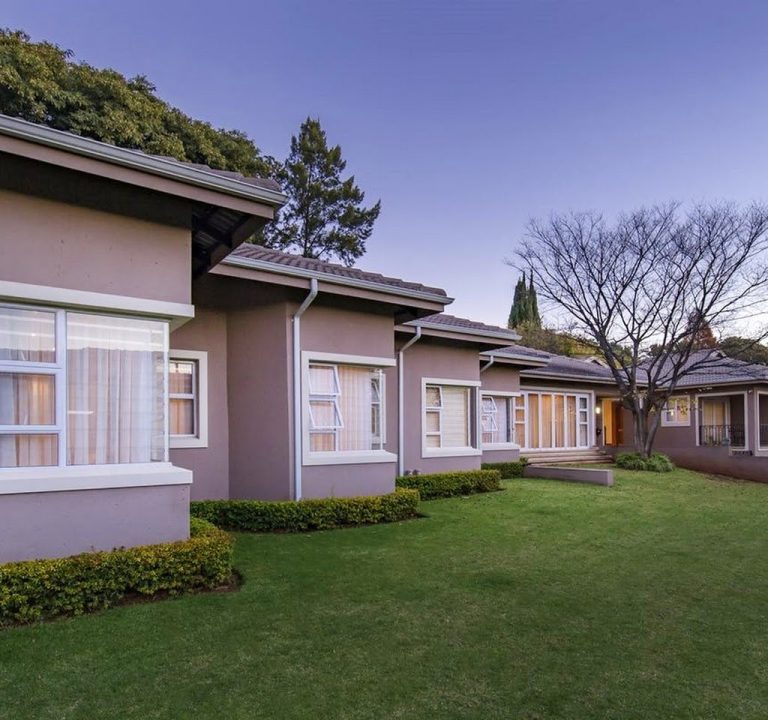
One example of accommodation that sits within this spectrum is a hotel in Bedfordview known for a blend of comfortable rooms and practical facilities, often appealing to travellers seeking a relaxed base with straightforward access to Johannesburg’s northern suburbs. While there, or in similar properties, you’ll typically find well-maintained rooms, friendly service, and easy access to shopping hubs and major road routes, making it convenient to explore both the city and nearby natural escapes.
For further inspiration and practical planning, you can explore general information about Johannesburg and Gauteng at official tourism resources. These sources can help you compare different areas, understand seasonal highlights, and map out potential day trips. A thoughtful approach to accommodation—balancing location, amenities, and transport—will help you enjoy Johannesburg’s energy while keeping logistics uncomplicated throughout your stay.