Johannesburg: accommodation, attractions and practical travel tips
Johannesburg, the dynamic gateway to South Africa’s Gauteng province, offers a wide range of accommodation that suits all travellers, from stylish bed and breakfasts tucked in leafy neighbourhoods to modern hotels in bustling business districts. When planning a stay, consider which part of the city you want to base yourself in, what you hope to see, and how you plan to move around. The city’s diversity means you can easily tailor a visit to fit your pace, whether you are after quiet mornings, vibrant nightlife, or cultural immersion.
Areas to consider for a stay. Rosebank and Melville are popular for visitors seeking a mix of boutiques, cafés and easy access to public transport. Rosebank is well connected by the Gautrain and offers a range of lodgings near the Gautrain station, making day trips simple. Sandton is ideal if you want a more contemporary hotel scene, extensive shopping, and proximity to business hubs. Braamfontein and Maboneng provide a creative, walkable atmosphere with a concentration of guesthouses, boutique hotels and eateries, plus a slate of galleries and live music venues. For a more residential vibe, Linden and Parkhurst offer charming guesthouses and B&Bs set in quiet streets with leafy surrounds. If you’re seeking access to Soweto, consider properties on the southern edge of central Johannesburg or in the Vilakazi Street area, which place you in a hub of history and energy.
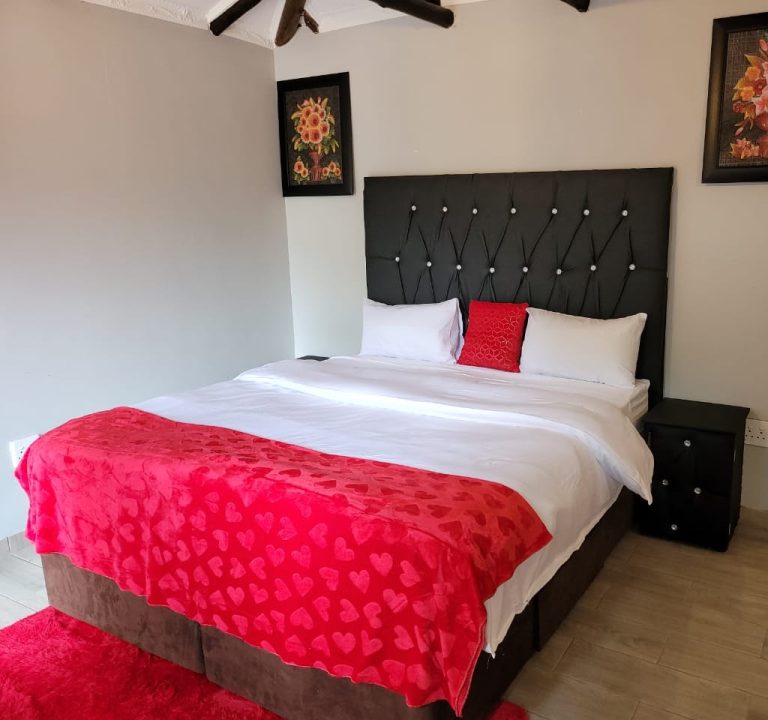
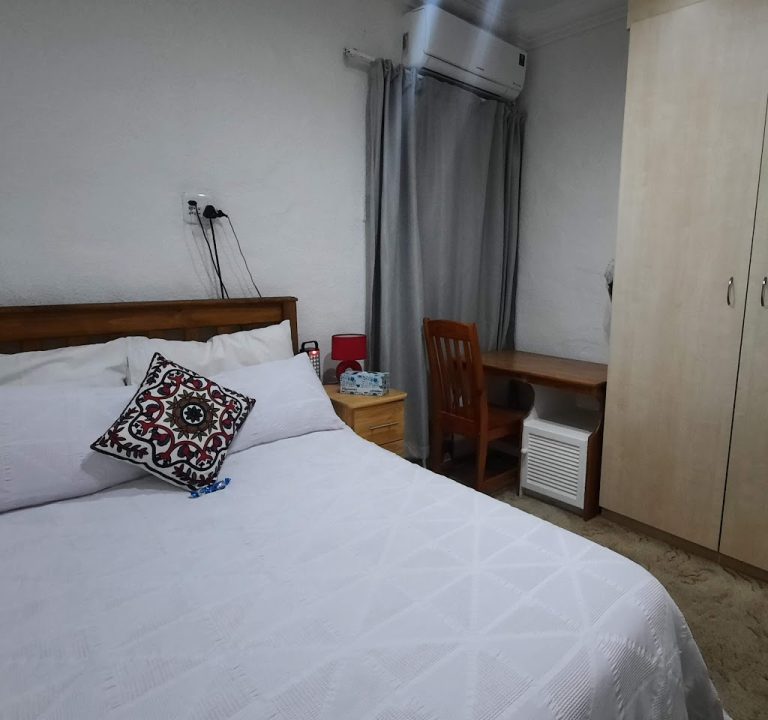
What to look for when you book. Start with the basics: a clear description of the room type, bed configuration, and whether breakfast is included. Check reviews for consistency on cleanliness, noise levels, and the responsiveness of hosts or staff. Look at photos for the overall condition of the property, and verify the proximity to the activities you have in mind. Consider whether the guesthouse or hotel offers secure parking and 24-hour reception, which can be important in busy parts of the city. Many B&Bs and boutique hotels in Johannesburg emphasise a personal touch or curated experiences; read the host’s notes to understand what kind of stay is on offer, whether it’s a self-catering option, or if staff can arrange guided tours or restaurant recommendations.
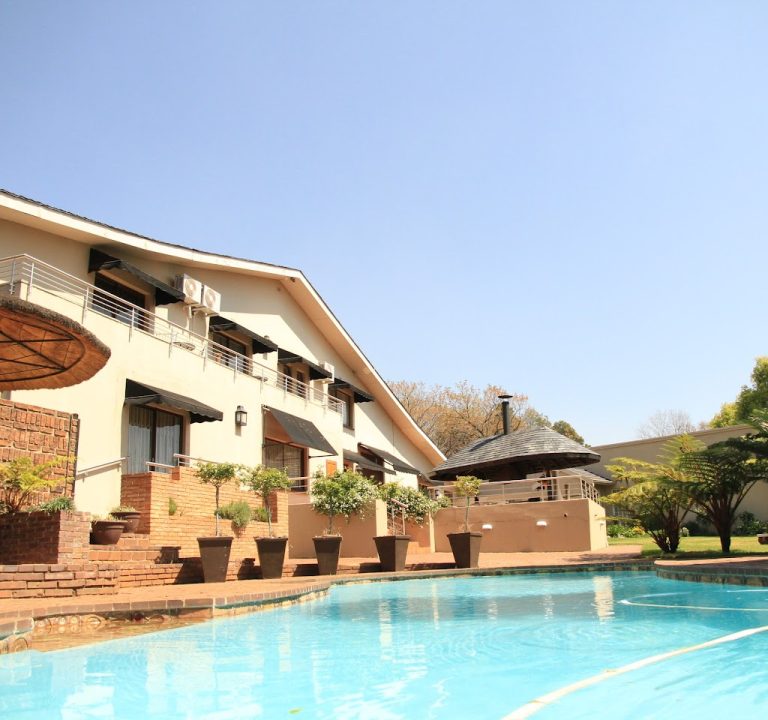
Typical amenities you may encounter. Free Wi‑Fi is common, as are ensuite bathrooms, daily housekeeping, and often a cheerful breakfast service featuring fresh fruit, baked goods, and hot options. Some properties may provide guest lounges, outdoor seating areas or compact kitchen access. If you are visiting for work, you might prioritise rooms with a desk and reliable connectivity, while leisure travellers often value spa facilities, a pool, or easy access to dining options within the building. Transport-friendly features, such as proximity to major roads or public transport stops, can save time on rail or bus connections around the city.
Getting around. Johannesburg is a large city, and transport options vary by district. The Gautrain offers fast rail connections between Johannesburg, Pretoria and the OR Tambo International Airport, with convenient stops in Rosebank and Sandton for travellers. Within the inner city and northern suburbs, ridesharing apps and local taxis are common. If you prefer not to drive, choose a base near a rail link or a hub with easy access to multiple tram or bus routes. When planning day trips, remember that traffic can be heavier during peak hours, so factor in extra time for travel between sights and meals.
Best time to visit. Johannesburg experiences warm summers and cool, dry winters. The city’s spring (September to November) and autumn (March to May) are particularly pleasant, with milder temperatures and bright skies. Summer brings occasional showers, but it also allows for longer daylight hours to explore outdoor attractions. If you plan to spend time outdoors or visit the nearby Magaliesberg or gold mine tours, check the forecast and plan alternates in case of rain.
Where to stay in relation to interests. If you want the convenience of quick restaurant options and nightlife, stay in or near Braamfontein, Maboneng, or Sandton. For a calmer, more residential experience with easy access to markets and bakeries, consider quieter suburbs such as Parkhurst or Linden. If your itinerary includes historical and cultural sites, a central location with good public transport links can reduce travel time and let you immerse yourself in the city’s storytelling atmosphere.
Attractions and experiences in general terms. Johannesburg offers a mix of museums, markets, and neighbourhood precincts that capture the country’s recent history and its contemporary culture. You may plan visits to major national heritage sites, stroll through vibrant precincts with street art and craft stalls, and enjoy contemporary dining that reflects South Africa’s diverse culinary scene. For a broader view of the region, day trips to nearby areas such as Soweto or the Cradle of Humankind can add an enriching dimension to your stay. When planning your itinerary, consider guided walks or organised tours that provide context about the city’s past and present and help navigate local etiquette and customs.
Practical tips. Always keep a printed address or a map handy, as some streets can be easy to miss in busy neighbourhoods. Have a plan for evenings—whether you want a quiet dinner at a guesthouse or a night out in a lively precinct. If you are driving, ensure you have secure parking and be mindful of restricted areas and peak traffic times. Check the guesthouse or hotel’s policies regarding late arrivals and curfews, and ask hosts for recommendations on safe, reliable transport after dark. For longer stays, you might appreciate a property that offers self-catering facilities or a kitchenette to supplement meals with casual, cost-effective options. Useful resources include official city tourism pages and regional guides to help you refine your plan and discover experiences that align with your interests.
- Rosebank: good transport links and a mix of guesthouses and boutique hotels
- Sandton: modern hotels with shopping and business facilities
- Braamfontein / Maboneng: vibrant, walkable districts with eateries and culture
- Soweto proximity: historic tours and a different urban rhythm
For more information and inspiration as you plan your stay, consider visiting the City of Johannesburg’s official site and Gauteng tourism resources. These can help you compare options, check transport connections, and tailor your itinerary to your interests: www.joburg.org.za and www.gauteng.net.