Where to stay, eat and explore in Cape Town: a practical guide for travellers
Cape Town blends natural beauty with a vibrant urban scene, making it a destination where your choice of neighbourhood can shape your whole experience. Whether you seek the bustle of a coastal city, easy access to nature, or a peaceful hillside retreat, there are guest houses, B&Bs and small hotels to suit every style and budget. Planning a stay around sensible transport links, quiet corners and local eateries will help you make the most of your time in the Western Cape.
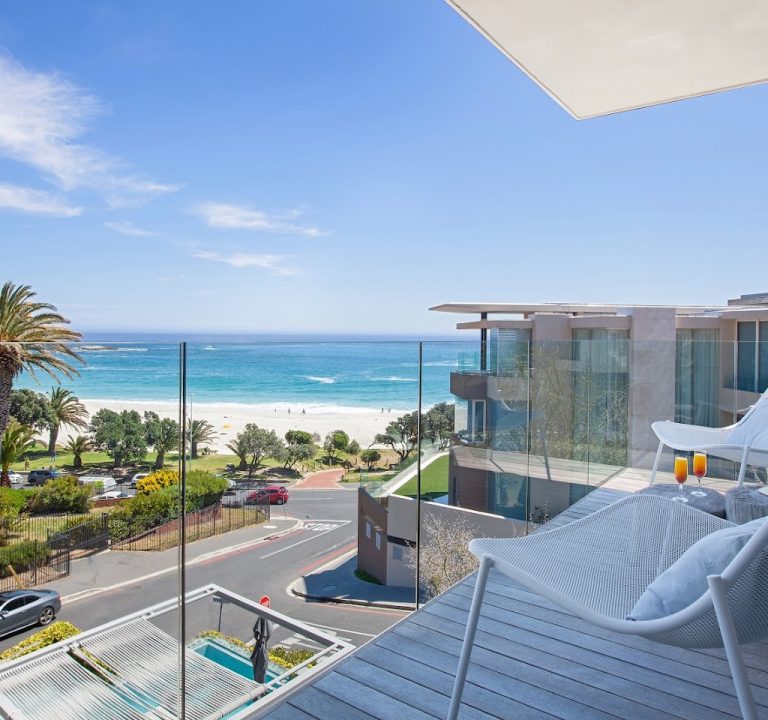
Areas to consider. The City Bowl and the central stretch around the historic Old Town offer convenient access to museums, markets and a wide range of eateries. The Atlantic Seaboard and Camps Bay provide dramatic ocean views and a beach‑going vibe, with chic cafes and sunset swirls of colour along the coast. Constantia is ideal for a quieter stay among vineyards and leafy streets, while Green Point and Sea Point offer a practical base with easy access to the V&A Waterfront, parks, and coastal pathways. For families and longer stays, areas closer to Kirstenbosch and the southern slopes of Table Mountain deliver a breezy residential feel with plenty of space and quick routes to the peninsula’s more rugged beauty.
What to look for when you book. Before you confirm, check proximity to transport hubs or major routes, since many travellers prefer to use a combination of Uber, local taxis and MyCiti bus routes. Confirm parking availability if you plan to hire a car. Look at room configurations (ensuite bathrooms, family rooms, or self‑contained units), as well as any shared spaces like kitchens or lounges. If you value outlooks or access to outdoor spaces, ask about balconies, patios or private courtyards. Finally, review cancellation and pet policies, and whether breakfast is included or available nearby.
Typical amenities to expect. In Cape Town’s guest houses and boutique hotels, you’ll often find comfortable beds with quality linens, Wi‑Fi throughout, tea and coffee facilities, and daily housekeeping. Many properties offer guest access to a courtyard or terrace, with options for a small kitchenette or self‑catering facilities. Heaters, fans or air conditioning are common, given seasonal fluctuations. On the practical side, secure parking, 24‑hour reception or on‑site staff, laundry facilities and luggage storage are helpful features for visitors on longer itineraries. Some establishments also arrange local tours or partner with guides for hiking, winery visits, or coastal excursions.
Transport and getting around. Cape Town’s dramatic geography means that some sights are best reached by a short drive or a scenic drive along the coast. If you’re staying near the City Centre, you’ll be within walking distance of many attractions, with ride‑hailing options readily available. For day trips to the Cape Peninsula, a car gives you maximum flexibility, though a guided tour can simplify the route and parking logistics at popular viewpoints. If you plan to visit the winelands of Constantia or nearby Stellenbosch, budgeting for a winery tour day is worthwhile, with some operators offering combined transport and tastings.
The best time to visit. Cape Town has a Mediterranean climate with mild, wet winters and dry summers. Peak tourist season runs from late spring to early autumn (roughly September to April), when coastal towns feel lively and outdoor activities are at their best. Winter can be quieter and more affordable, with cooler seas and a different perspective from the city's museum and restaurant scene. If you’re chasing wild flowers, plan for spring in the western suburbs and mountain foothills. Do mind seasonal winds along the coast, particularly in spring and autumn, which can affect outdoor plans.
Practical tips for a smooth stay. Arrive with a flexible itinerary to balance table‑level city sights with calmer countryside or sea days. Pack a light jacket for evenings, sun protection for daytime outdoor activities, and sturdy footwear for coastal walks or Table Mountain paths. When dining out, consider a mix of casual spots and more formal venues to experience the breadth of Cape Town’s culinary culture. Bring a reusable bottle for hydration on day trips, and have a plan for safe transport after dark in busy districts. If you have a limited time window, prioritise iconic views (such as coastal overlooks and mountain vistas) and a couple of local dining stops to experience Cape Town’s flavours without feeling rushed.
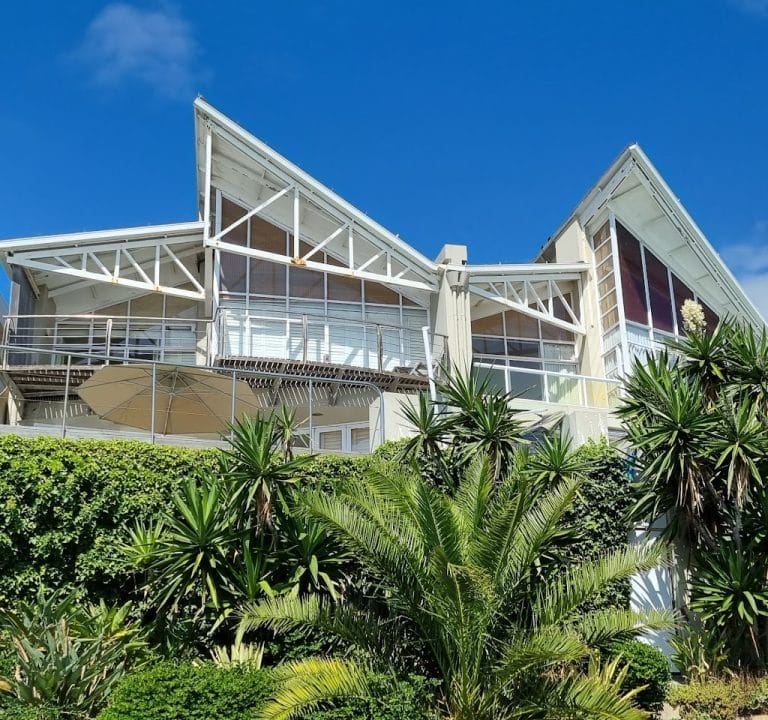
Accommodation in context: Seasonsfind – The Sunset. One example of a guest house in the region, Seasonsfind – The Sunset, offers a comfortable stay with a focus on guest comfort and convenient access to coastal routes. The property is representative of the careful balance many travellers seek: a welcoming home‑from‑home base from which to explore the city’s varied neighbourhoods and scenery. For more information on this or similar stays, you can explore the broader Cape Town accommodation options and local tourism resources online at reputable travel sites or the official tourism pages of the city and province.
Dining and nearby attractions, in general terms. Cape Town’s dining scene ranges from light, casual cafés to more refined eateries, with menus often showcasing fresh seafood, vibrant vegetables, and regional specialties. Across the city, attractions span natural landmarks, historic sites, markets, and coastal parks. In the vicinity of any stay, you’ll typically find a mix of casual lunch spots, family‑friendly venues, and intimate dining rooms, alongside scenic viewpoints, botanical gardens, and easy access to the Cape’s iconic Peninsula route. When planning, check opening times and whether reservations are advised, particularly for weekend evenings or popular brunch periods.
Website and planning resources. For current travel information, regional highlights and travel planning, consult official tourism sites and well‑regarded travel guides. These sources can provide updated suggestions for routes, seasonal tips, and practical advice to tailor your stay to your personal interests and pace. If you wish to explore a specific guest house or boutique property such as Seasonsfind – The Sunset, check its official listing or contact the property through its website for the most accurate booking details and availability.