Accommodation and Attractions in Cape Town: Plan Your Stay in the Mother City
Cape Town offers a rich blend of scenery, culture and cuisine, rooted in its dramatic geography and cosmopolitan energy. When planning a stay, think about the neighbourhoods that suit your style—sandy beaches, iconic mountains, historic districts and easy access to the city’s ferry routes and dining scenes. Whether you’re seeking a chic urban retreat, a cliff-top villa, or a relaxing guesthouse near wine country, the right base can enhance every excursion from a sunrise Table Mountain ascent to a sunset stroll along the Atlantic coastline.
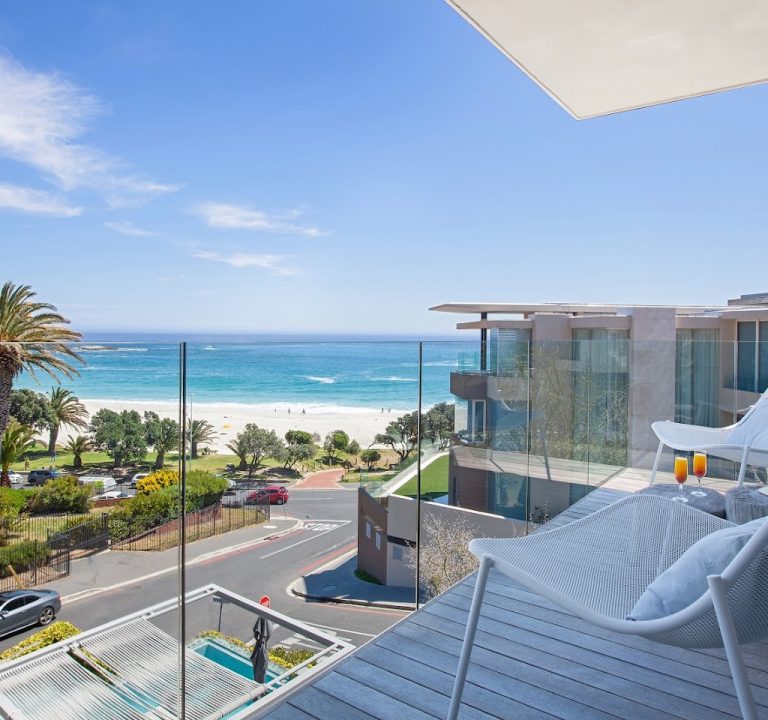
One notable option in the region is POD Camps Bay, a stylish hotel that reflects a modern, compact design with convenient proximity to the Atlantic seaboard. It serves as a solid anchor for travellers who want to enjoy Camps Bay’s beach culture, cafés and beachfront walks while remaining well connected to the wider city. For more details about the property and its offerings, visit their official site: POD Camps Bay.
Areas to consider when booking include:
- City Bowl and the central precincts: close to the Company’s Garden, theatres, museums and a wide range of dining options. Easy access to hop-on transport and frequent city walks.
- Atlantic Seaboard (Camps Bay, Clifton, Sea Point): for dramatic sea views, sunset walks, and a vibrant but relaxed atmosphere. Ideal for beach lovers and those who enjoy scenic drives along the coast.
- Southern Suburbs and Constantia: quieter residential streets with leafy estates and easy reach to wine routes, gardens and golf courses. Great for families or travellers seeking a slower pace.
- Northern suburbs and surrounding towns: often offering more space and competitive value, with good access to modern amenities and broader transport links.
When booking, look for a few practical features to ensure a smooth stay. First, check parking arrangements or proximity to safe, well-lit parking if you’re driving. Many properties offer on-site parking, while others provide valet or street parking with security considerations. Second, consider accessibility and lift access if you are travelling with luggage or mobility needs. Third, review breakfast options, as many guesthouses and boutique hotels offer continental or cooked alternatives that can save time in busy itineraries. Finally, verify wi-fi reliability, room temperature control (air conditioning or heating), and the availability of power outlets near the bed and desk areas for convenient work or device charging during downtime.
Typical amenities you may encounter include free Wi-Fi, daily housekeeping, tea and coffee facilities, in-room safes, and often a small bar or lounge area. Packages may feature continental breakfasts, pool access, and sunset terraces or rooftop decks. In Cape Town, many lodges and boutique hotels also provide curated experiences, such as guided city walks, wine-tasting day trips in Constantia, or excursions to nature reserves and viewpoints. Always check whether the property offers airport transfers or shuttle services, as this can be a time-saver when arriving into the city and departing for the airport.
Getting around Cape Town efficiently will help you maximise your time. The MyCiTi bus network is a popular public option for city travel, with routes serving the Waterfront, V&A precinct and many leafy suburbs. If you prefer door-to-door convenience, ride-hailing services and rental cars are widely available. For coastal areas and scenic drives, a car can be advantageous, particularly if you plan day trips along the Atlantic Seaboard, to Table Mountain National Park, or through the Constantia wine valley. Some properties also offer bicycles or guided walking routes for guests who want to explore at a slower pace.
The best time to visit Cape Town depends on your priorities. Summer (December to February) brings warm beaches and longer daylight hours, with peak tourist activity. Shoulder seasons (March to May and September to November) often offer milder weather, fewer crowds, and excellent conditions for outdoor activities such as hiking, coastal walks and winetasting. Winter (June to August) is cooler and occasionally rainy, but the city still enjoys rich cultural offerings and fewer crowds in many areas. For nature lovers, spring wildflowers and autumn colours can provide memorable scenery, especially in gardens, nature reserves and the surrounding hills.
Planning practical tips for a successful stay:
- Book accommodation with a flexible cancellation policy if travel plans may shift.
- Confirm the proximity to attractions you want to visit most, and evaluate transfer times for early tours or late returns.
- Pack layers for rapidly changing Cape Town weather—coastal breezes can be cool even in warmer months.
- Label essential contact information and maintain a simple itinerary to share with someone at home.
- Familiarise yourself with safety basics for any urban area and follow local guidance on best routes and times to travel, especially late at night.
As you tailor your stay, weave in a few memorable dining and cultural experiences. Cape Town offers a spectrum of eateries—from casual seaside spots with fresh seafood to sophisticated dining rooms celebrated for innovative menus. In addition, the city’s museums, markets, and harbour precincts provide uplifting glimpses into local life, history and creative production. With thoughtful planning, your Cape Town visit can balance restful stays in well-equipped accommodation with energising explorations of iconic natural landmarks, vibrant neighbourhoods and diverse culinary scenes.