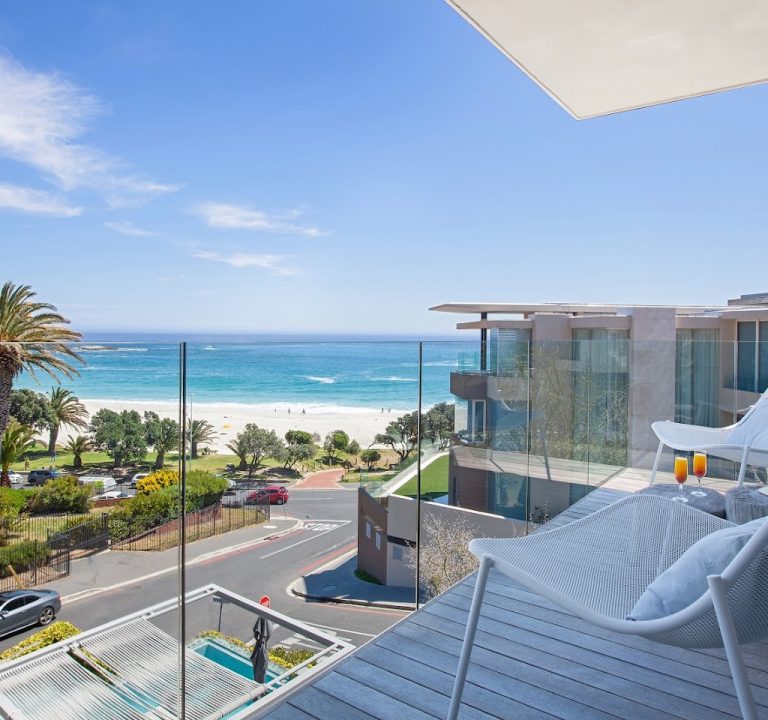
Accommodation Essentials and Experiences in Cape Town, Western Cape
Cape Town offers a diverse range of places to stay, from elegant hotels and boutique BnBs to self-catering guesthouses and lodges perched along the city’s iconic coast. When planning a visit, consider how you want to structure your days: proximity to Table Mountain or the harbour, easy access to beaches, or a quieter neighbourhood with leafy streets. The best base often depends on your priorities—whether you want vibrant nightlife, easy transport links, or a more relaxed start to mornings with sea views.
Areas to consider when booking include:
- City Centre: A convenient hub for exploring the central sights, museums, theatres, and a wide selection of restaurants. It’s ideal if you plan to walk or use rideshares between activities and dining.
- V&A Waterfront and Green Point: Close to the harbour, promenade walks, and South Africa’s famous coastal scenery. These areas offer a mix of hotels and stylish apartment stays with harbour views and easy access to tours.
- Camps Bay and Clifton: Known for spectacular Atlantic beaches and sunset views. Great for travellers who want a resort-like atmosphere with chic eateries nearby.
- Constantia and the Constantia Valley: A more tranquil, vineyard-adjacent option, suited to those who value gardens, quiet rooms, and day trips to winelands.
- Bo-Kaap and De Waterkant: Colourful neighbourhoods with characterful guesthouses and boutique stays, close to cafés, markets, and scenic streets.
What to look for when booking a stay in Cape Town:p>
- Amenities: Daily housekeeping, reliable Wi‑Fi, secure parking, and flexible check-in options are common expectations. If you’re travelling with family or a group, look for multi-bedroom suites or apartment-style units with kitchen facilities.
- Views and light: Properties with sea or mountain views can elevate mornings and evenings, but ensure windows are well-sealed if noise is a concern in busier districts.
- Transport access: Proximity to MyCiTi bus routes, major roads, or car rental pick-ups helps with day trips to the Cape Peninsula, Cape Point, or the winelands. Some lodgings offer shuttle services or easy access to a ride-share pickup point.
- Safety and comfort: Reasonable security measures, well-lit entrances, and staff available for guest assistance provide peace of mind, especially in busy urban areas.
- Food and drink: Some stays offer continental breakfasts, on-site restaurants, or room-service options—handy for early starts or relaxed evenings after a day of exploring.
Typical amenities you may encounter include air conditioning or ceiling fans, secure parking, complimentary bottled water, tea and coffee facilities, en-suite bathrooms, and access to communal lounges or terraces. In peak seasons, some properties offer seasonal outdoor pools or sun decks, which pair well with coastal days and evening harbour strolls.
For transport and getting around, Cape Town’s geography invites a mix of options. Cars offer flexibility for coastal drives and scenic routes to the Cape Peninsula, while ridesharing and Uber-like services are widely used for city and Waterfront trips. If you are staying in the City Centre or Cape Town’s central corridors, excellent pedestrian access and compact distances make walking a viable option for short hops between sights, eateries, and markets. Remember that the city is hilly in parts, so comfortable footwear is a practical addition to your packing list.
Best time to visit Cape Town depends on what you seek. Spring (September to November) and autumn (March to May) generally offer mild weather, good light for photography, and fewer crowds than peak summer months. Summer (December to February) is warm and lively, with longer harbour and beach days, while winter (June to August) brings cooler winds and the chance of rain—great for museums and indoor experiences. For wine lovers, day trips to Constantia or nearby valleys can be rewarding outside the height of holiday seasons.
When planning activities, think in blocks: mornings for outdoor adventures or scenic walks, afternoons for beaches or markets, and evenings for dining or harbour views. Cape Town offers a broad spectrum of visitor experiences without needing to travel far from the city centre. You’ll find markets, cafés and casual eateries that celebrate local produce, as well as fine-dining rooms that showcase South Africa’s rich culinary talent. Rather than chasing specific names, look for places that prioritise fresh seafood, seasonal produce, and vibrant, shareable dishes that reflect the region’s diversity.
Practical tips for travellers: book well in advance if you’re travelling in peak season and consider flexible rates in case plans shift. Check the cancellation policy and whether the property can accommodate early check-in or late check-out. Bring a universal adaptor for South Africa’s electrical sockets and pack a small bag for day trips along the Atlantic seaboard. Prepare for changeable coastal weather by layering clothing and keeping a light rain jacket handy. If you are celebrating a special occasion, let your accommodation know—many properties can arrange welcome touches, such as a bottle of wine or a coastal-view upgrade, subject to availability.
Cape Town sits at the edge of extraordinary natural beauty and a city rich with culture, cuisine, and experiences. A well-chosen base can enhance every day’s adventure, from sunrise Table Mountain views to sunset strolls along the harbour and beyond. To explore more about places to stay and visitor information, you can browse official tourism resources and hotel group pages for Cape Town and the Western Cape at https://www.capetown.travel.