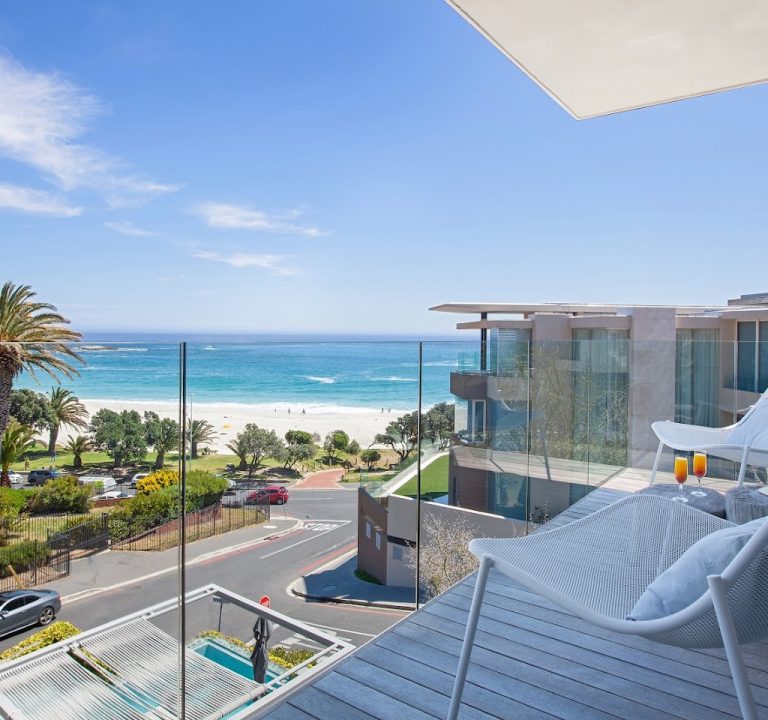
Primi Seacastle is a Guest house establishment in Cape Town, Western Cape, South Africa
About Primi Seacastle, Cape Town
Primi Seacastle sits in the famed Cape Town region of the Western Cape, offering a base from which travellers can explore one of South Africa’s most iconic coastal cities. At present, the official website experiences a technical interruption, with pages displaying a 404 error. Consequently, specific details such as room types, on-site facilities, pricing, and exact policies cannot be verified from the site itself. The information below provides a general sense of what a stay in this locale typically embodies and how potential guests might plan a visit.
In broad terms, guesthouses and boutique stays in Cape Town are valued for their proximity to scenery and city highlights, pairing a comfortable sleeping environment with convenient access to dining, culture, and outdoor activities. A property like Primi Seacastle is likely to emphasise a restful ambience, allowing guests to unwind after days spent exploring Cape Town’s famed coastlines, markets, and viewpoints.
The accommodation style in this part of the world often blends a welcoming, intimate atmosphere with thoughtful touches that make a stay feel effortless. While the exact interior design and room configurations of Primi Seacastle remain unclear from the current site status, visitors can expect the emphasis to be on comfort, clean presentation, and attentive service—qualities that define many well-regarded guesthouses in the area.
For travellers prioritising convenience, a stay in Cape Town typically places guests within reach of diverse experiences. Whether the plan is to sail along the Atlantic coast, explore table-top panoramas, wander historic neighbourhoods, or enjoy chic eateries and markets, a well-situated base can significantly enrich the trip. Primi Seacastle is positioned within this landscape of accessibility and discovery, offering a practical starting point for daily excursions.
From a traveller-friendly perspective, guests are encouraged to consider a few practical aspects when planning a visit. Local weather, seasonal crowds, and the need for transport to various attractions are common considerations in Cape Town. When the official details become available, potential guests may wish to confirm room counts, check-in and check-out times, housekeeping arrangements, and any on-site facilities such as common areas, gardens, or self-catering options.
Booking and travel tips for visiting Cape Town with a stay at a property like Primi Seacastle include prioritising flexibility and early planning during peak seasons, keeping an eye on accessibility to desired activities, and reviewing the latest travel advisories or local advisories that may affect itineraries. It is also useful to compare nearby accommodation options to gauge value, location, and available amenities before finalising arrangements.
Nearby highlights in Cape Town can be varied and illustrious, ranging from natural landmarks to cultural venues. For travellers seeking iconic experiences, attractions such as dramatic coastal scenery, accessible viewpoints, and historic districts commonly feature in itineraries. While exact proximity to specific sites from Primi Seacastle cannot be confirmed here, the destination itself offers a wealth of day-trip possibilities for visitors who appreciate a balance of outdoor escapades and urban exploration.
Prospective guests are invited to explore the property’s official site when it becomes accessible again for the most accurate details on room configurations, amenities, and policies. In the meantime, the surrounding Cape Town area remains a compelling reason to plan a visit, with a wealth of experiences awaiting exploration across sea, mountain, and city landscapes.
- Seek updated information directly from the official site or trusted booking platforms for room types, amenities, and policies.
- Verify check-in/check-out times, availability, and cancellation terms before booking.
- Plan a balanced itinerary that combines coastal scenery with city highlights to maximise time and value.
- Consider transportation options—whether renting a car, using rideshares, or relying on local transit—to navigate freely.
Website: Primi Seacastle
Cape Town
Western Cape
8040
South Africa


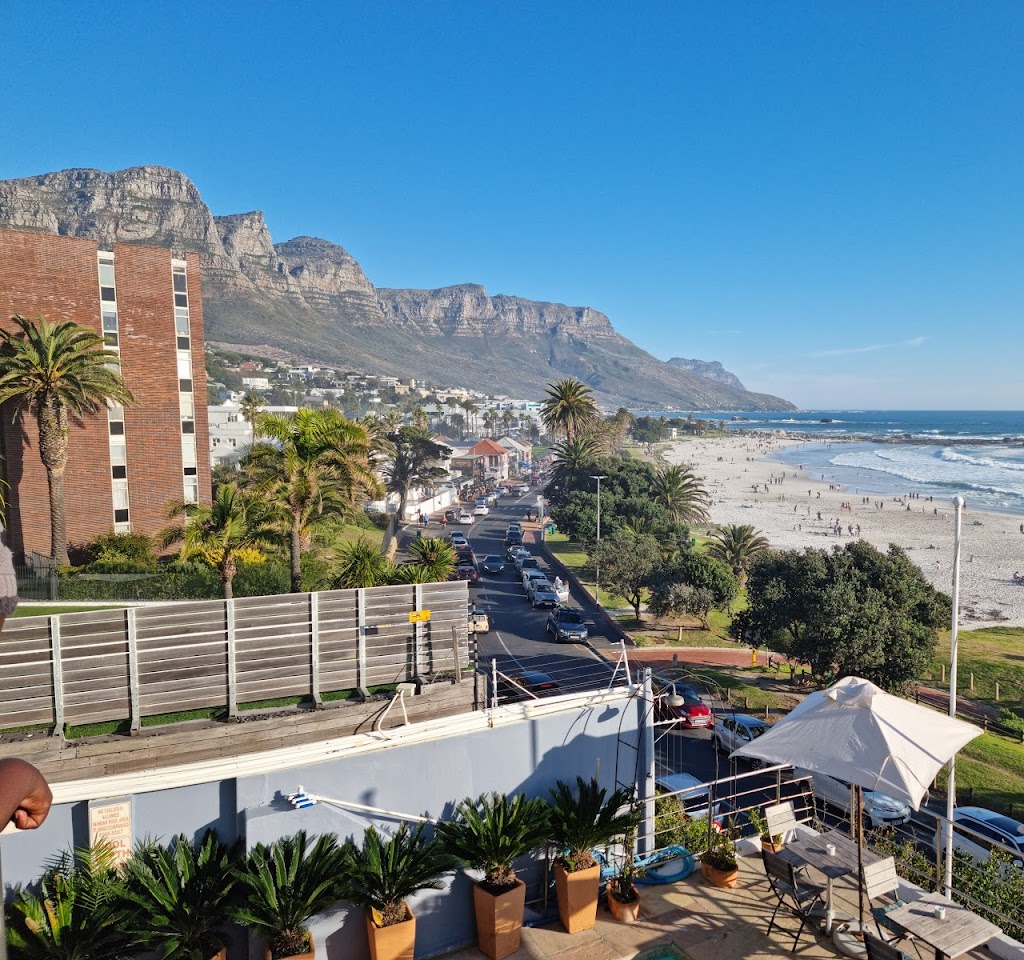


Cape Town: Accommodation, Attractions and Practical Planning
With its dramatic coastline, iconic mountains and vibrant neighbourhoods, Cape Town makes for a superb short break or longer stay. Choosing the right place to stay can shape your experience, from easy access to world-class viewpoints to convenient starts for day trips. In this article you’ll find tips on accommodation options, planning considerations, transport, and a flavour of what to explore and eat while visiting the Western Cape’s most famous city.
When selecting a base in Cape Town, consider what you want to be close to. The Atlantic Seaboard suburbs deliver beach access, stylish eateries and scenic coastline, with Camps Bay and Clifton offering a glamorous, sun-washed backdrop. The foreshore and Green Point areas are convenient for city walking, museums, athletic walkways, and the V&A Waterfront. Constantia and the southern suburbs appeal to visitors seeking tastings in verdant valleys and quieter streets, while the colourful Bo-Kaap area provides cultural immersion and excellent photo opportunities. For a mix of dining, nightlife and short commutes to key sights, many travellers choose a central location with good transport connections.
Accommodation options vary from guest houses and boutique hotels to self-catering apartments and guest-friendly lodges. Look for features that align with your plans: generous breakfast options and on-site parking can simplify mornings; reliable Wi‑Fi is essential for planning day trips and sharing memories; and access to transport links—whether it’s a short stroll to MyCiTi bus stops, a parking permit for self-drive days, or proximity to a hop-on hop-off service—can save time. Many guest houses and mid-range hotels here offer warm, personalised service, often with hosts who can share local tips on routes, viewpoints and restaurants.
One example of a guest house you might consider is Primi Seacastle. It represents the kind of accommodation that prioritises comfort and a welcoming atmosphere, with a flexible approach to guest needs and a central base from which to explore nearby attractions. You can visit the property’s website for detailed information about facilities, room types and booking terms.
Typical amenities to look for include en-suite bathrooms, air conditioning or fans for summer heat, secure parking, breakfast service, and guest lounge spaces. Many properties also offer additional touches such as outdoor decks or gardens, laundry facilities, coffee and tea stations, and information guides for local tours and dining. If you’re staying for a while, consider self-catering options or rooms with kitchenettes, which can be convenient for families or groups seeking a home-from-home atmosphere.
Timings and best time to visit depend on what you want from your trip. The city enjoys warm, dry summers from December to February, with sea swimming and rooftop bars at their peak. Shoulder seasons—March to May and September to November—offer pleasant weather for outdoor activities like hiking, table-top views, and city exploring, often with quieter streets and more economical rates. Winter (June to August) brings cooler weather and the possibility of mist or rain, but also dramatic landscapes and cosy dining experiences. Regardless of when you go, it’s worth reserving popular sights such as Table Mountain cableway or nature reserves in advance, especially during peak travel periods.
Transport in Cape Town is well set up for visitors who want a mix of independent exploration and guided experiences. The MyCiTi bus network provides routes between major districts and tourist zones, while Uber and other ride-hailing services offer flexible door-to-door travel. If you plan day trips to the Cape Winelands, the Cape Peninsula, or the Cape Flats nature reserves, a rental car can be convenient, though traffic and parking can be challenging in peak times in central areas. A practical approach is to plan a few core days around your base and reserve specific trips in advance, then leave some time free for spontaneous discoveries—cafés, art galleries, or a market you happen upon along the way.
What to do and eat is, of course, central to any Cape Town stay. Iconic natural scenery sits alongside modern city life, with cable car rides and viewpoint drives offering sweeping panoramas. Expect a mix of scenic walks, coastal trails, and the chance to encounter local markets, hip cafés, and family-friendly eateries. While specific venues change over time, you can expect a broad spectrum of dining—from casual seafood to contemporary South African and international cuisines—selected for quality ingredients and a welcoming atmosphere. Guided tours—from boat trips to penguin viewing, city walks to winetasting excursions—provide depth to your visit and help you access areas you might not discover on your own.
Practical planning tips to keep in mind:
- Book early for peak seasons and special events, and confirm cancellation terms in writing.
- Choose a base with easy access to public transport or parking, and check the distance to the places you most want to visit.
- Pack layers for changing coastal weather; air conditioning and ceiling fans can help with heat in summer.
- Allow time for scenic drives along the coast or into nature reserves, even if you plan more urban activities.
- Hotel and guest-house hosts can be valuable sources of local recommendations—don’t hesitate to ask for dining suggestions, safety tips, and walkable routes at different times of day.
Cape Town offers a diverse array of stays and experiences that can suit couples, families, and solo travellers alike. By selecting a neighbourhood that aligns with your interests, understanding the practicalities of transport and planning, and keeping a flexible mindset, you can craft a balanced itinerary that captures both the iconic landscapes and the rich, everyday charm of the city. For more information on specific properties and planning ideas, you can visit the official host sites or travel guides to shape a stay that matches your preferences.
Sorry, no records were found. Please adjust your search criteria and try again.
Sorry, unable to load the Maps API.
Why Claim Your Listing?
Claiming your listing on the B&B Finder directory website is a valuable opportunity for business owners. Here are five reasons why you should consider claiming your listings:
Control Over Business Information: By claiming their listing, business owners can ensure that all the information presented is accurate and up-to-date. This includes details such as contact information, address, pricing, and available services or amenities. Accurate information helps prevent customer confusion and improves overall satisfaction.
Enhance the Listing: Once a listing is claimed, owners can enhance it by adding more comprehensive information and rich media, like high-quality photos and videos. These additions can make the listing more attractive and engaging to potential customers, thereby increasing the likelihood of bookings.
Marketing Opportunities: Claiming a listing can also open up additional marketing opportunities. Owners may be able to participate in promotional campaigns, special offers, and other marketing activities organized by the directory. This can increase visibility and attract more customers to the business.