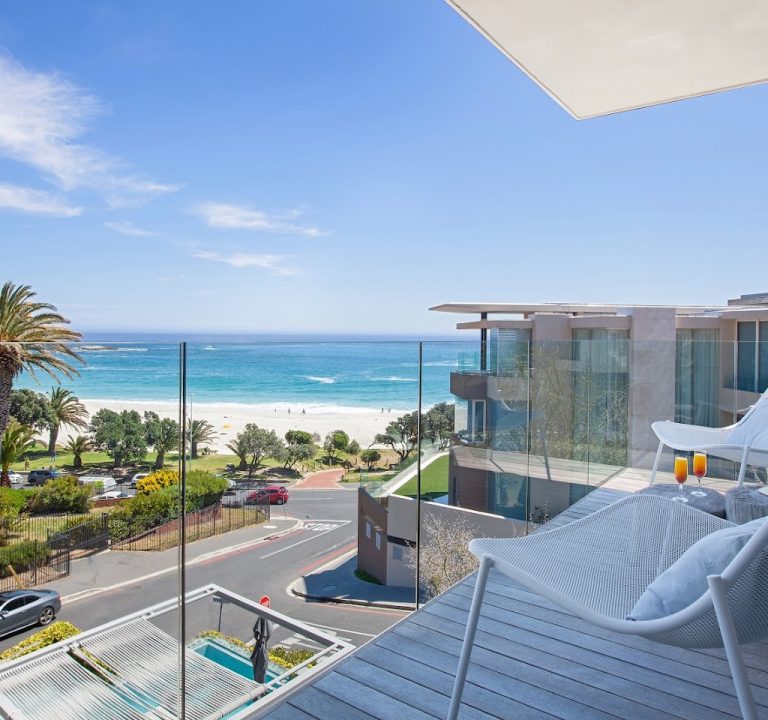
Accommodation and Attractions in Cape Town: Planning a Traveller-Friendly Stay
Cape Town is a vibrant hub of scenery, culture, and cuisine, where accommodation ranges from stylish hotels to charming guesthouses and self‑catering options. Whether you arrive for iconic coastline, mountain adventures, or a city‑centre feast of galleries and eateries, planning a stay with an eye for location, transport and amenities will help you make the most of your visit to the Western Cape.
When choosing where to stay, consider the kind of experience you want. The Atlantic Seaboard and the city’s urban fringe offer dramatic sea views, easy beach access, and a lively dining scene. The City Bowl places you at the heart of culture, markets and historic streets. For wine lovers and quiet landscapes, Constantia and the surrounding hills provide leafy retreats within reach of vineyards. If you’d like a resort‑style stay with quick access to Table Mountain and beaches, certain coastal suburbs offer a blend of tranquillity and convenience. The Fairways on the Bay is a well‑located option in the Sea Point area, convenient for beaches, promenades and hillside viewpoints, though check current details and facilities on the property’s website before booking.
Typical amenities you may encounter include free Wi‑Fi, breakfast options (from self‑cserve to full cook‑in galley offerings), swimming pools, and access to outdoor terraces or balconies with sea or mountain views. Many guesthouses and boutique hotels provide personalised local knowledge, from arranging a guided walk up Table Mountain to sunset cruises or market forays. Self‑catering flats or apartments are popular for families or longer stays, offering kitchen facilities and sometimes private entrances for added privacy.
Transport matters a great deal in Cape Town. Proximity to MyCiTi bus routes, metro lines, or Uber/ride‑hailing options can influence daily plans as you hop between beaches, viewpoints, and neighbourhoods. If you plan to drive, check parking arrangements and whether your accommodation offers secure on‑site parking or street permits. Some areas are best explored on foot for close‑up experiences of cafes, markets and street art, while others are ideal bases for day trips to the Cape Peninsula or the Cape Winelands.
Best time to visit Cape Town depends on what you seek. The summer months (December to February) bring long days, beach life, and outdoor activities, but can be busy. Autumn (March to May) and spring (September to November) offer pleasant weather with fewer crowds. Winter (June to August) is cooler and rainier, but often cheaper, with a different mood and more dramatic landscapes. If you’re keen on whale watching or marine life, plan around seasonal sightings and local advisories. Pack layers, sun protection, and sturdy footwear for hikes and coastal walks.
Booking tips to help you secure comfortable, well‑located accommodation include:
- Assess the area first: a stay in the City Bowl or Central Cape Town keeps you close to museums, markets and restaurants, while the Atlantic Seaboard provides easy beach access and scenic drives along the coast.
- Prioritise transport access: look for properties near reliable public transport or easy taxi access for evenings out.
- Read cancellation policies and guest reviews carefully, especially for smaller guesthouses and independents that may have more flexible terms.
- Consider room configuration and noise levels: some properties in busy districts can be lively at night, whereas hillside or garden‑view rooms may offer more quiet.
- Check on‑site facilities that matter to you, such as breakfast service, self‑catering options, laundry facilities, or gym and pool access.
In terms of experiences, Cape Town offers a balance of natural beauty and urban life. Iconic attractions include plate‑glass viewpoints over the Atlantic, dramatic coastal drives, and Table Mountain or Lion’s Head for panoramic overlooks. You’ll also find markets, craft shops and galleries in the City Centre and nearby neighbourhoods, where you can sample local coffee, pastry and artisanal foodstuffs. Dining ranges from bright, casual bistros to refined eateries that celebrate regional produce, often with spectacular views. While specific restaurants will vary by season, you can expect menus that showcase seafood, seasonally grown vegetables, and South African favourites with modern twists. If you’d rather a guided approach, many operators offer day trips to the Cape Peninsula or winelands with a focus on scenery, architecture and local culture.
For planning convenience, consider combining several stays to experience distinct facets of the city. A few days in a central hotel or boutique guesthouse allow you to explore the historic streets and markets on foot, followed by a few days in a seaside apartment or boutique lodge to unwind by the water. If you enjoy outdoor pursuits, factor in time for a sunrise drive to a lookout point, a walk on a coastal path, or a short hike on the surrounding hills. Always check local advisories and weather conditions ahead of outdoor plans.
Useful resources to help you plan your Cape Town visit include official tourism sites, travel guides and property websites. For a sense of current happenings, you can explore event listings, restaurant reviews and neighbourhood guides from reputable sources online. Always verify contact details and booking terms directly with the accommodation provider via their official website.
In summary, Cape Town offers a spectrum of stays—from stylish hotels to intimate guesthouses and self‑catering flats. By choosing a location that suits your pace, prioritising accessible transport, and planning around the best periods for your interests, you can craft a memorable, well‑paced visit. Pair your chosen base with a flexible itinerary that combines scenery, culture and cuisine, and you’ll be rewarded with experiences that reflect the character and warmth of this remarkable destination. For more inspiration and practical planning, you may wish to explore resources such as Cape Town’s official tourism site and partner pages.