Exploring Cape Town: Accommodation, Attractions, and Practical Planning for a Memorable Stay
Cape Town is a city of striking contrasts, where ocean views meet rugged mountains and vibrant neighbourhoods offer a wealth of dining, culture and outdoor adventures. When planning a visit, it helps to think in terms of where you want to stay, how you’ll get around, and what you’d like to do each day. From stylish city stays to sun‑drenched seaside apartments, there are accommodation options to suit most tastes and budgets.
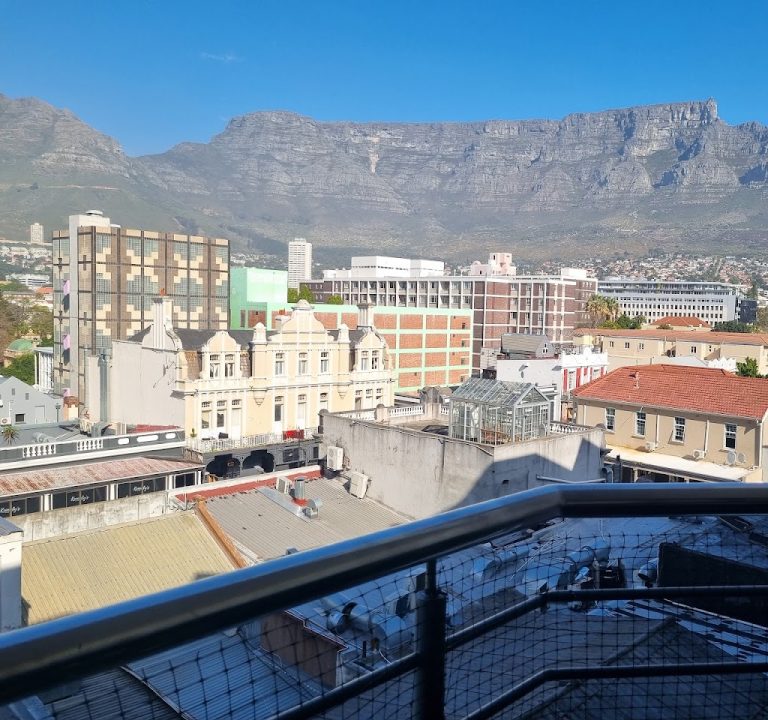
Choosing where to stay can shape your whole experience. The city’s best‑connected areas include the V&A Waterfront district and the central City Bowl, which provide easy access to sights, dining, and nightlife, along with a wide range of guesthouses, boutique hotels and self‑catering apartments. For a beachside atmosphere, the Atlantic Seaboard (including Camps Bay and Clifton) offers dramatic coastal views and a relaxed, upmarket vibe. If you favour lush scenery and wine country day trips, Constantia and surrounding southern suburbs provide tranquil, leafy settings with easy access to vineyards and mountain paths. For a more historic flavour, Bo‑Kaap’s colourful streets and nearby museums add cultural depth to a stay in the heart of the city.
When booking, look for clear descriptions of the room type, portability of beds (especially for families or groups), and practical details such as parking, Wi‑Fi reliability, and access to a kitchenette or breakfast service. Clarify check‑in times and whether there is on‑site staff or a self‑check‑in option. Read recent guest reviews to gauge consistency, particularly about cleanliness, noise levels, and any planned renovations. If you are travelling with family or a group, consider apartment‑style options that provide more living space and shared facilities, rather than single hotel rooms.
Typical amenities in Cape Town’s accommodation spectrum range from en‑suite bathrooms, air conditioning or fans for warmer days, and tea and coffee provisions to kitchenettes or full kitchens in self‑catering units. Many boutique hotels and guesthouses offer curated curio collections, local art, and personalised recommendations for dining, hiking paths, and day trips. Privacy and peace of mind can be found in hillside locations with private balconies, as well as secure parking or easy access to reputable transport options.
Transport is a practical consideration. The MyCiTi bus network provides good coverage across the city, including routes to the central business district, the V&A Waterfront, and the Atlantic Seaboard. For greater flexibility, especially if you plan to explore the Cape Peninsula or winelands, renting a car is common, though many attractions and beaches are reachable by taxi or rideshare. If you prefer a car‑free stay, choose accommodation near central Cape Town or the V&A Waterfront with organised day tours readily available through your hotel or guesthouse. Walking is a highlight in areas such as the City Bowl and the Waterfront, where compact layouts and pedestrian‑friendly streets are common.
The best time to visit Cape Town is spring through autumn (roughly September to April), when mild days and longer daylight hours enhance outdoor activities. Beach days, scenic hikes, and township visits are comfortably enjoyable during these months. If you travel in winter (May to August), pack warmer layers and be prepared for occasional rainfall; winter still offers dramatic landscapes and fewer crowds in popular sights.
In addition to accommodation, Cape Town offers a wealth of experiences that are well suited to varied interests. Natural highlights include the iconic coastal viewpoints, mountain trails, and penguin colonies in nearby reserves. Cultural experiences span museums, galleries, and historic districts that reflect the city’s diverse heritage. Food lovers can expect a thriving scene that champions fresh seafood, bistro‑style dining, and markets with locally produced crafts and foods. Rather than focusing on specific names, your plans can be shaped by local reviews and recommendations, as well as seasonal specialities at markets and restaurants around the city.
For dedicated stays that pair comfort with style, you might also consider properties such as Hiphouse Penthouse, a contemporary option within easy reach of the city’s sights. Their website offers further details on location, interiors, and booking options at hiphouse.co.za.
Practical planning tips to make the most of your visit:
- Book early for peak seasons and major events to secure preferred locations and rates.
- Ask about breakfast options, window seating with views, and whether a balcony or outdoor space is included in your room.
- Check accessibility for stairs and elevator access if mobility is a concern.
- Consider a mix of accommodation types (city‑based for convenience and a seaside base for relaxation) to reduce daily travel time.
- Plan a mix of paid and free activities to balance experiences with budget; many outdoor attractions are low‑cost or free.
- Pack sun protection and comfortable walking shoes, plus layers for cooler evenings and the wind near the coast.
With thoughtful planning, Cape Town can be enjoyed at a relaxed pace or packed with adventures. By choosing accommodation aligned to your preferred neighbourhood, understanding transport options, and balancing iconic sights with downtime, you’ll craft a stay that feels both effortless and memorable.