Where to Stay and What to Do in Cape Town: Accommodation and Experiences
Cape Town offers a diverse array of places to lay your head, from rooftops with harbour views to cosy guesthouses tucked into leafy neighbourhoods. When planning a stay, think about what you want to prime yourself for: dramatic scenery, easy access to beaches, or a lively urban scene with restaurants and markets on your doorstep. The city’s accommodation ranges from budget-friendly hostels to boutique hotels and spacious lodges, each with its own character and conveniences.
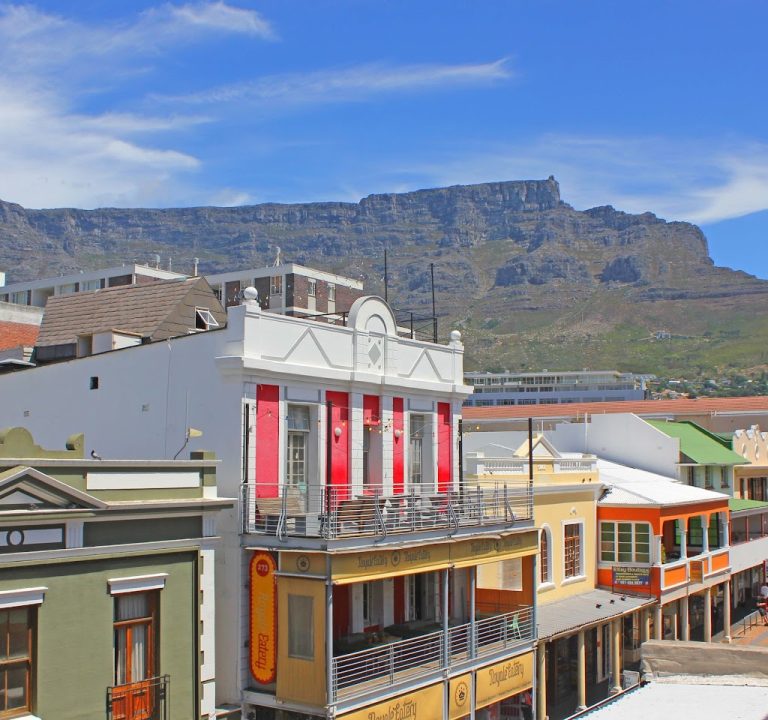
Popular areas to consider include the city bowl for walkable streets, coffee shops, and a lively after-hours scene; the V&A Waterfront for maritime views and close proximity to ferries and cruises; Green Point and Sea Point for a seaside vibe with convenient transport links; Camps Bay and Clifton for beaches and sunset views; and the southern suburbs such as Constantia for wine estates and more relaxed, residential atmospheres. If you are seeking a cultural flavour, a stay in Bo-Kaap or the nearby neighbourhoods can offer a sense of tradition and colour, while outer areas can provide space, green scenery, and more intimate lodging options.
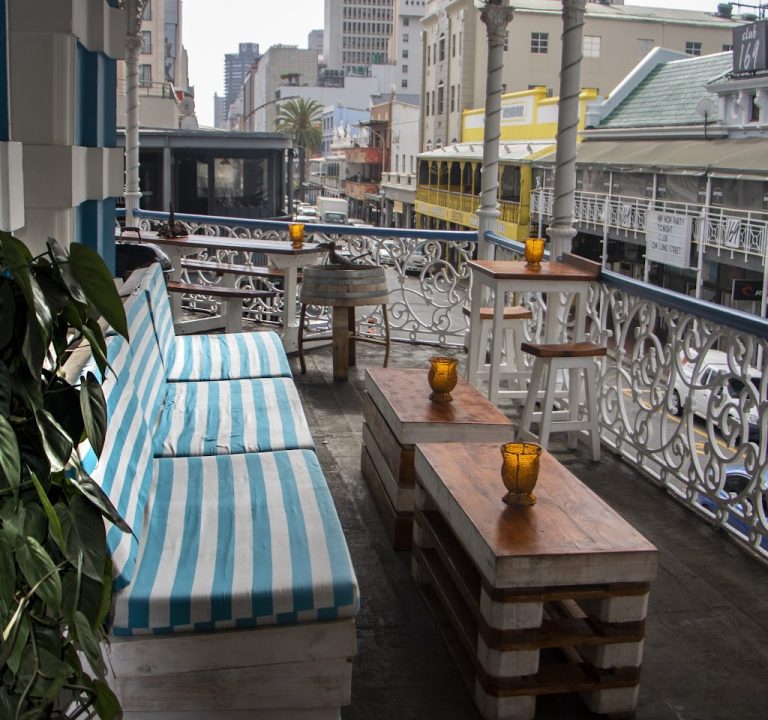
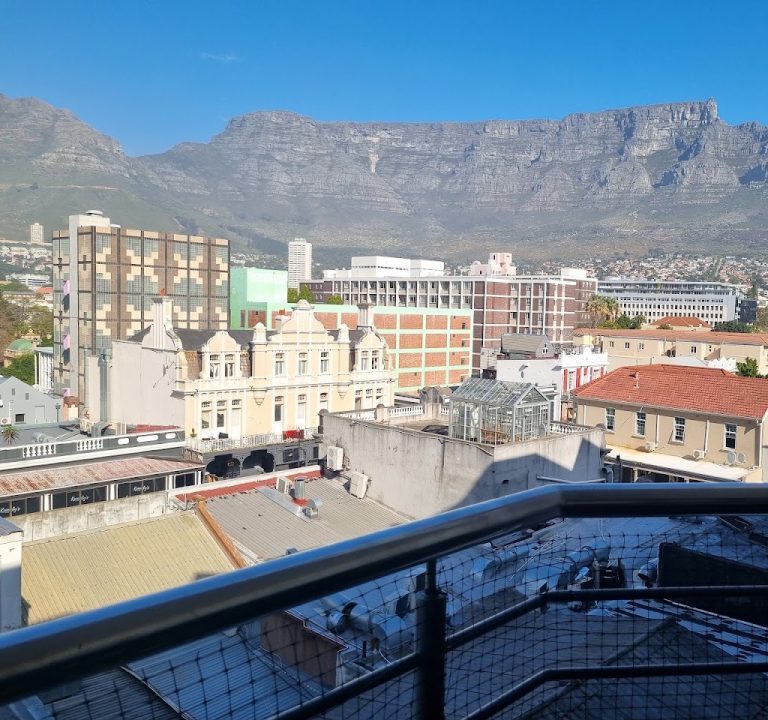
Accommodation in Cape Town often comes with a blend of practical amenities. Expect free or paid Wi‑Fi, daily or weekly housekeeping, shuttle options to popular sights, and in many places a self-catering kitchen or a continental breakfast. Some lodges and guesthouses provide swimming pools, private terraces, or mountain views, which can be a real bonus after a day spent exploring. For travellers on a tight budget, hostels and budget guesthouses can offer shared facilities and social spaces, with opportunities to meet fellow travellers and share local tips. If you’re travelling with family or a group, look for apartment-style options or larger rooms that offer separate living spaces.
Transport is a key consideration. The MyCiTi bus and the rail network cover many parts of the city, and ride-hailing services are widely available. If you plan to venture to the Cape Peninsula or wine country, consider renting a car or joining organised day trips. Some areas are more walkable than others, and certain streets can be hilly or busy at peak times, so factor this into your packing and daily plans. Proximity to a safe, well-lit area with convenient access to shops and dining can make evenings more enjoyable, particularly if you are staying in a busy city centre or near the harbour.
The best time to visit Cape Town depends on your priorities. Summer (December to February) brings warm days and bustling beaches, but can be busy with larger crowds. Spring and autumn offer mild weather and calmer streets, ideal for sightseeing and hiking without the peak-season heat. Winter (June to August) is cooler and wetter, yet it is a good time to explore museums, markets, and sheltered venues. If you are focused on outdoor activities like hiking Table Mountain or visiting the Cape Peninsula, check the forecast and plan around wind and rain, which can influence visibility and accessibility.
For a well-rounded stay, plan a mix of scenery, culture, and meals. Cape Town’s natural beauty pairs beautifully with its culinary scene. Dining ranges from casual bistros and seafood shacks to more refined restaurants that highlight local produce and coastal flavours. Markets and food halls offer a chance to sample a variety of dishes and crafts in one place, and many neighbourhoods host weekend pop-ups and street-level eateries that capture the city’s creative energy. While specific venues may change, you can expect fresh seafood, heritage-inspired cooking, and global influences that reflect Cape Town’s cosmopolitan spirit. Restaurants and cafés often benefit from outdoor seating and views, particularly in areas with sea or mountain backdrops.
As you map out your itinerary, consider including a mix of must-see sights and offbeat experiences. Iconic peaks, sweeping coastlines, and historic sites sit alongside contemporary galleries, botanical gardens, and maritime settings. If you are keen on learning more about the city’s history, take time to understand the stories of the region’s past, while leaving space for modern art, design districts, and local craft shops. A stay in Cape Town is often as much about the neighbourhoods you inhabit as the landmarks you visit, so choose a base that supports both your daily rhythms and your evening plans.
If you are weighing options for accommodation, a practical checklist can help you compare offerings quickly. To summarise, consider location relative to your planned activities, available transport options, and the types of amenities that matter most to you (such as a good breakfast, parking, a balcony, or a kitchen). Look at cancellation terms, room layouts, and noise levels to avoid surprises. Safety features, secure access, and the overall vibe of the host or property can make a big difference to your comfort level during a stay in a bustling city.
- Location: proximity to sights, beaches, and transport
- Room and facilities: bed type, en-suite options, air conditioning, heating
- Amenities: breakfast, kitchen access, laundry, Wi‑Fi, parking
- Safety and noise: secure access, staff presence, quiet hours
- Cancellation policy and value for money
For planning resources and up-to-date visitor guidance, you can explore official tourism information at Cape Town’s visitor sites or reputable travel portals. If you are considering a budget-friendly, sociable base with a central city vibe, Urban Hive Backpackers presents a hostel option that pairs affordable stays with a friendly atmosphere in a convenient location. Always verify current details, access to common areas, and any age or group restrictions when booking. For inspiration and ideas on routes, attractions, and practical travel tips, see https://www.capetown.travel.