Accommodation and Experiences in Cape Town: Where to Stay and What to Do
Cape Town blends dramatic natural beauty with a vibrant urban scene, offering a wide range of places to stay that suit different styles and budgets. When planning a visit, consider the vibe you want, from harbourfront bustle to tranquil coastal retreats, and how easy it is to reach the sights you most want to see. Whether you are seeking a boutique hotel, a family-friendly guesthouse, or a modern apartment near the water, the Western Cape capital has options to suit every Traveller.
Areas to consider when booking your stay
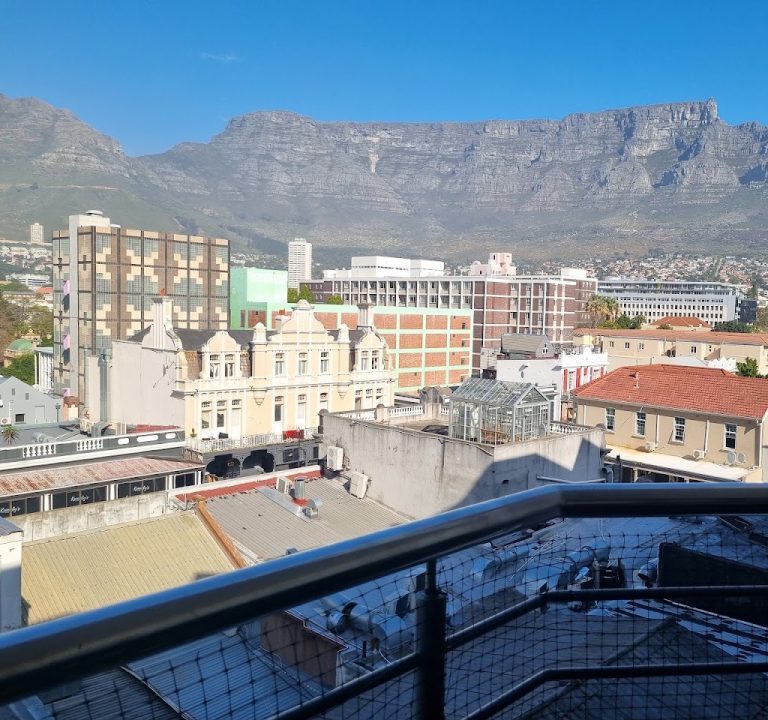
- V&A Waterfront and the City Bowl: Excellent for first-time visitors who want easy access to shopping, dining, and iconic views. Accommodations here tend to be well located for day trips and urban exploration, with a lively atmosphere and plenty of on-site amenities.
- Atlantic Seaboard (Sea Point, Camps Bay, Clifton): Ideal for beach lovers and sunset chasers. These neighbourhoods offer dramatic coastal scenery, a mix of stylish hotels and self-catering options, and access to cliffside walks and scenic drives along the Atlantic coast.
- Green Point and De Waterkant: A blend of modern apartments, guesthouses, and hotels close to the train line and major sights. Great for walkers and diners, with easy access to parks, markets, and nightlife.
- City Centre and the Southern Suburbs: A good choice for travellers seeking value and a more local experience, with good public transport links and access to museums, galleries, and markets.
- Constantia Valley and the winelands hinterland: For tranquillity, leafy estates, and easy access to wine estates. Ideal for a relaxed stay with day trips to vineyards and scenic drives.
What to look for when booking
- Location relative to your planned activities: if you want beaches, choose the Atlantic Seaboard; for museums and historical sites, consider the City Centre or Green Point.
- Transport links: check proximity to MyCiTi bus stops or train stations for convenient self-guided exploration, especially if you’re not hiring a car.
- Amenities and room configuration: ascertain whether the property offers flexible check-in, on-site parking (if driving), safe storage for luggage, and self-catering facilities if needed.
- Safety features and reviews: look for properties with reliable security, well-lit entrances, and recent guest feedback that mentions quiet neighbourhoods and responsive staff.
- Access to recommendations: many BnBs and guesthouses excel at assisting guests with itineraries, restaurant reservations, and local tips.
Typical amenities and what to expect
Many accommodation providers in Cape Town offer a mix of modern comforts and local character. Common amenities include free Wi-Fi, daily housekeeping, secure parking, and generous breakfast options. In boutique hotels or guesthouses, you might find personalised service, guided city walks, or curated guest experiences that showcase the area’s culture and cuisine. For families, self‑catering units or apartments with kitchen facilities can be particularly convenient, while business travellers may prioritise quiet workspaces and reliable high-speed Wi-Fi.
Practical planning tips
- Think about the season: Cape Town’s peak tourist period runs from late spring to early autumn, when the weather is mild and dry. Winter brings cooler and windier days, but lower rates and a different ambience with fewer crowds.
- Book ahead for popular districts: to secure a stay close to beaches or iconic viewpoints, consider reserving several weeks in advance, especially during school holidays.
- Plan day trips with care: the city is a great base for exploring nearby penguin colonies, Cape Point, and the winelands. Decide whether you’ll self-drive or join guided tours, and factor in travel times to avoid spending valuable time in transit.
- Balance scenery and convenience: if you value uninterrupted sea views, budget for a coastal option; if you prioritise museums and cafes, a central base may save time and transport costs.
- Respect local weather and safety considerations: strong winds and sudden changes can happen near the coast. Pack layers, sun protection, and a small rain shell for daily comfort.
Getting around and staying connected
Public transport and shared ride options are widely available, with routes that connect major sights and neighbourhoods. A car can be convenient for exploring the wider Western Cape countryside, including the winelands and coastal drives, but you’ll still find excellent access to ferries, bus services, and bike-friendly paths in many areas. Wi‑Fi is commonly offered, but if you plan to work remotely or stream media, verify the bandwidth and any data limits with your host.
Attractions and experiences in general terms
Cape Town offers a spectrum of experiences—from sweeping harbour views and world-class viewpoints to markets, galleries, and culinary moments that celebrate South African flavours. Expect scenic coastal walks, glimpse into local history, and opportunities to sample fresh seafood and farm-to-table menus. Dining ranges from casual cafés and bustling markets to refined restaurants that interpret Cape flavours with a modern edge. For family-friendly days, parks and outdoor spaces provide space to relax and play, while culture-forward itineraries feature museums and heritage sites that tell the region’s story.
Finally, when choosing a place to stay, consider what kind of arrival and daily routine will set you up for a memorable Cape Town experience. With careful planning around location, amenities, and transport, a well-chosen base becomes the foundation for a rewarding visit to this remarkable corner of the Western Cape. For further inspiration, you can explore official tourism resources and property websites that offer current availability, inclusions, and guest reviews.