Exploring Cape Town: Where to stay, what to plan, and how to make the most of the Mother City
Cape Town offers a stylish mix of urban chic and dramatic nature, making it a standout destination for a stay in the Western Cape. When choosing accommodation, many visitors weigh location against access to sights, dining options, and transport links. The city presents a wide range of options—from boutique guesthouses and contemporary hotels to family-friendly lodges and self‑catering apartments. A popular choice for visitors seeking sensible comfort with easy access to the city’s high points is to book in a central, well-connected neighbourhood and then supplement days with day trips along the coast or up the mountains.
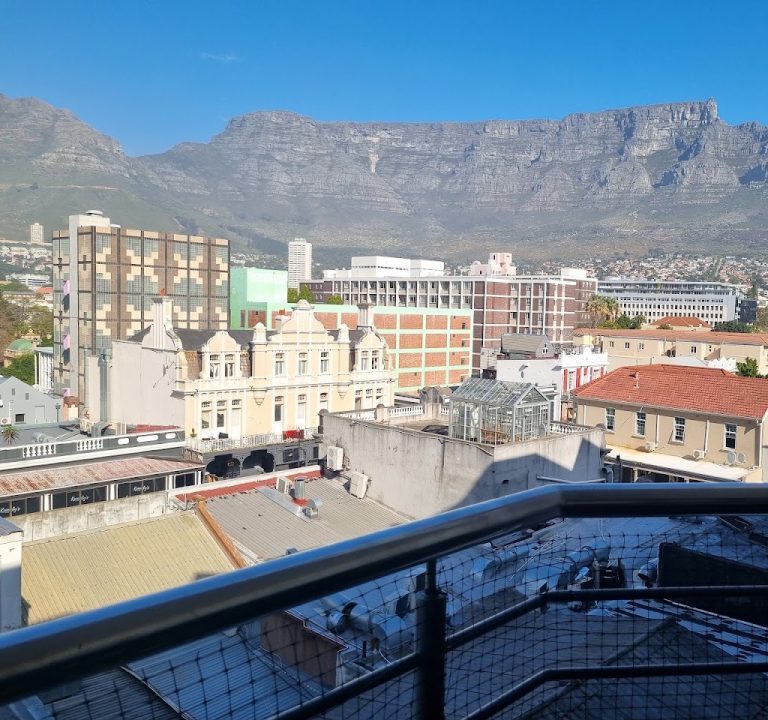
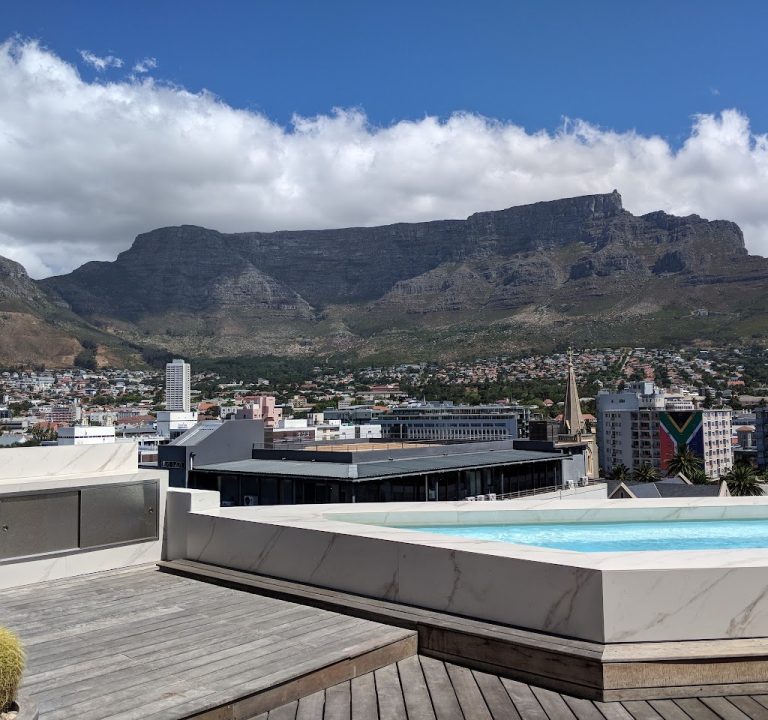
One way to frame your stay is by area. The City Bowl offers compact streets, classic Cape Town views, and close proximity to iconic Table Mountain, museums, and markets. The Atlantic Seaboard, including Camps Bay and the Waterfront precinct, is ideal for beach lovers and sunset cocktails, with easy access to harbour life and splendid coastal walks. For a more eclectic, up-and-coming vibe, neighbourhoods such as Woodstock and the Green Point area provide good-value stays with quick hops to urban pockets of culture, cafés, and trendy eateries. Bo‑Kaap, with its colourful houses and steep lanes, rewards guests with a sense of history and proximity to great viewpoints and markets. Finally, the Southern Suburbs offer a quieter base with easy access to Kirstenbosch Gardens, Constantia wine routes, and scenic drives to Cape Point if you’re renting a car.
When choosing accommodation, consider what you want from your stay. Do you prioritise views and immediate access to the sea, or do you prefer a quieter room with easy transport links to the city centre? Look for properties that signal a good balance of comfort and practicality: reliable Wi‑Fi, secure parking or good public transport access, in‑room or on‑site dining options, and helpful staff with local tips. For families or longer visits, self‑catering or apartment-style options can be particularly convenient, while business travellers often value workspaces and flexible check‑in arrangements.
Typical amenities to look for include a comfortable bed with quality linens, climate control for the coastal climate, and well-equipped kitchens or kitchenettes if you plan to cook. Consider whether you would benefit from a guest lounge, a pool or sun deck, and 24‑hour reception or security, especially if you are returning late from evenings in the city. A sensible plan is to map out a few must‑visit sights and then pick a base that minimizes daily transfers while keeping you close to dining or nightlife you wish to enjoy.
Transport in Cape Town is generally straightforward but can be variable by area. The MyCiTi bus network serves central parts of the city and the Sea Point corridor well, while Uber or Bolt services are widely available for shorter trips or late evenings. If you plan to explore the Cape Peninsula or winelands, a rental car offers the most flexibility. Some hotels and guesthouses also offer shuttle services or can arrange guided day trips to places like Table Mountain, Cape Point, the Cape Winelands, or nearby coastal towns. When booking, verify access to convenient transport options, and ask about parking arrangements if you are driving.
The best time to visit Cape Town depends on your preferences. Spring (September to November) and autumn (March to May) offer mild weather, lower crowds in some areas, and pleasant hiking conditions. Summer (December to February) brings longer days and vibrant waterfront life, but can be busier and more expensive. Winter (June to August) is cooler and wetter, yet still a good time to explore museums, markets, and the city’s culinary scene with comfortable interiors to retreat to after a day out. If you are keen on outdoor activities such as hiking or visiting beaches, plan for good weather windows and book popular spots in advance when possible.
When planning an itinerary, consider a balanced mix of activities: a Table Mountain excursion (or a cable car ride, weather permitting), a stroll through the V&A Waterfront area, and a morning market visit for crafts and coffee. Cultural experiences can include exploring districts with historic architecture, sampling diverse dining at casual eateries, and visiting the Kirstenbosch National Botanical Garden. For wine lovers, a day trip to the nearby Constantia or Stellenbosch wine routes is feasible with a well-planned day and a driver. For families, the Cape Point nature reserve and penguin viewing at nearby colonies offer engaging day trips with scenic drives along the coastline.
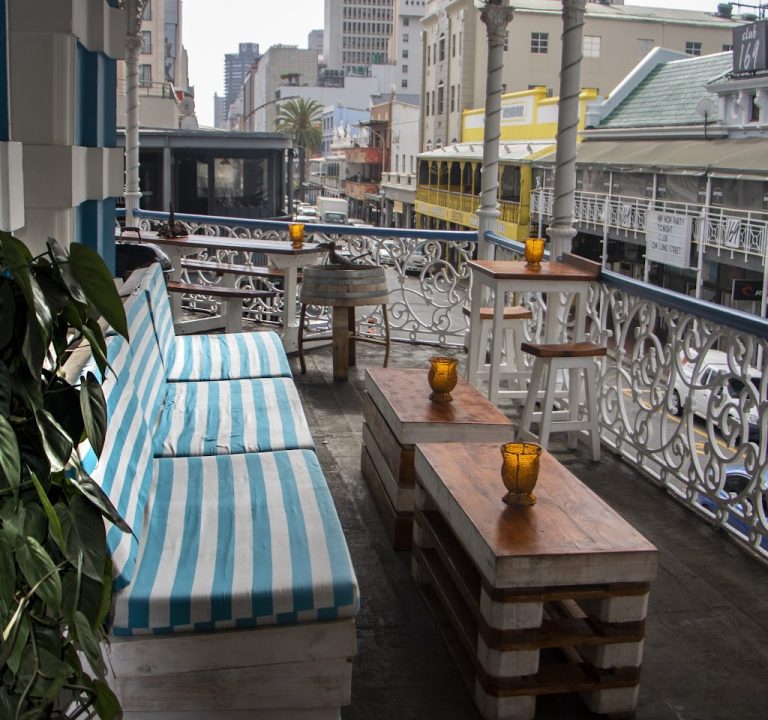
Sample accommodation options to consider include hotels with a coastal or city-centre outlook, guesthouses in safe, leafy streets close to cafés and markets, and purpose-built lodges with friendly service and a good breakfast. A noteworthy example in the city’s hospitality landscape is Happy Rhino Hotel, which presents a modern stay in a central location, complemented by easy access to central sights and the option to link with local experiences. You can explore its offerings further at the property’s website: http://happyrhino.co.za/.
Practical tips to help you plan smoother travel:
- Book accommodation with a flexible cancellation policy where possible, especially if your plans may shift with weather or travel conditions.
- Check for a good neighbourhood fit: access to shops, dining, and safe, well‑lit streets for evenings out.
- Confirm transport options from the property to major sights and to the airport or train routes.
- Ask about breakfast options, late‑arrival arrangements, and any on‑site facilities such as laundry or gym access.
With thoughtful planning, Cape Town offers a rich blend of natural beauty, culinary discovery, and cultural moments. A well-chosen base can unlock easy access to the city’s top experiences while delivering a comfortable home-away-from-home during your stay.