Cape Town: Where to Stay, What to Do, and How to Plan a Brilliant Visit
South Africa’s coastal city of Cape Town offers a rich mix of landscapes, culture, cuisine and hospitality. When choosing accommodation, most visitors want a base that is convenient, comfortable and close to sights, while still offering character and a sense of local flavour. Cape Town’s lodging market ranges from stylish holiday apartments and boutique guesthouses to larger hotels and family‑run lodges. The right choice will depend on your priorities—whether it’s dramatic sea views, easy access to the city’s markets, or a tranquil garden setting just outside the bustle.
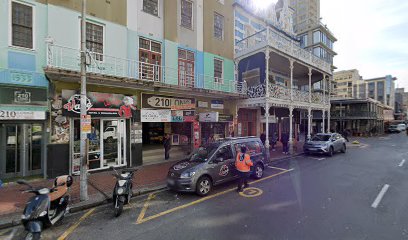
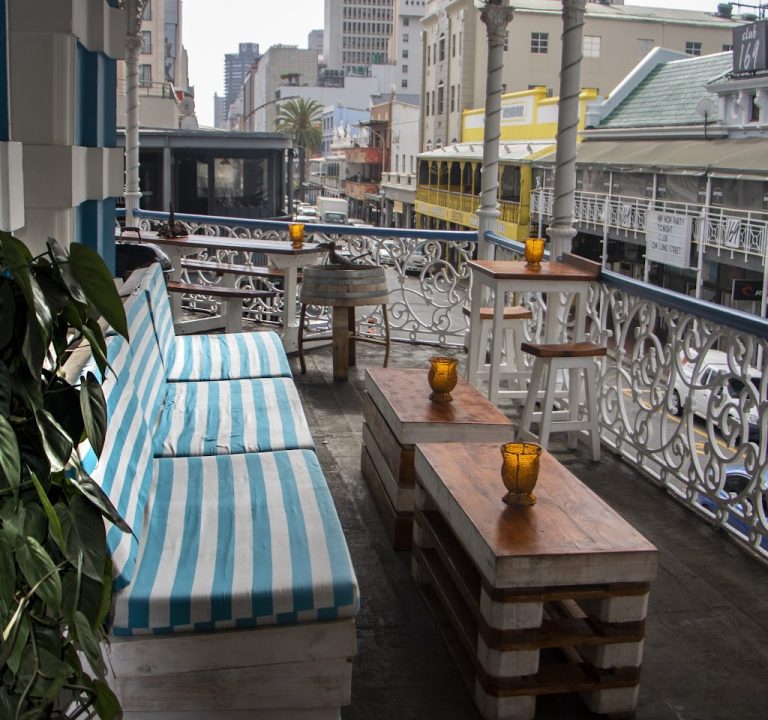
Areas to consider for your stay include the Atlantic Seaboard, where glamorous beaches along the coastline meet chic cafés and sunset views. The City Bowl places you in the heart of the action, with easy steps to museums, galleries and a vibrant dining scene. Southern Suburbs offer leafy streets, tranquil wine estates, and a more residential pace, ideal for a slower pace or a family trip. A short drive to the Constantia Valley reveals historic wine estates and scenic walks, while Bo‑Kaap’s colourful streets provide a strong sense of heritage and culture. For travellers seeking convenience and nightlife‑friendly quarters, Long Street and the surrounding neighbourhoods are popular bases for those who want to walk to attractions and eateries.
Booking considerations are best approached with a plan. Consider your transport needs—will you be relying on public transit, rideshares, or renting a car? If you prefer the freedom of a kitchen and laundry facilities, a serviced apartment or holiday rental can be ideal. If you value daily housekeeping, a boutique hotel or guesthouse with thoughtful staff may suit better. Look for accommodations that provide easy access to MyCiTi bus routes, taxi services, or nearby parking if you will be driving. Check for reliable wi‑fi, security features, and access to power sockets suitable for your devices, especially if you are visiting during the city’s load‑shedding periods.
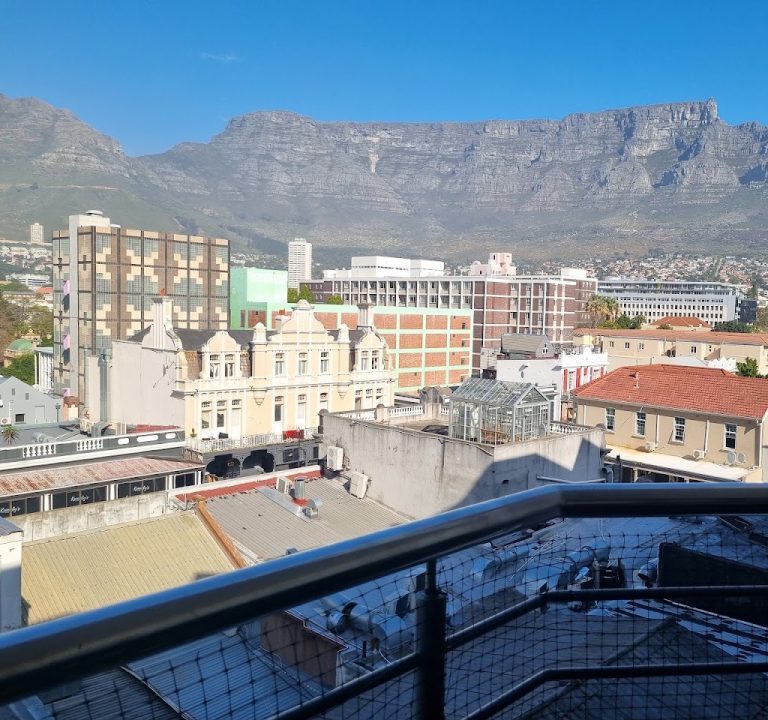
Common amenities that help sustain a comfortable stay include self‑catering facilities or a kitchenette, a well‑equipped bathroom, comfortable beds with quality linens, and practical touches such as a desk or a seating area, air conditioning or heating, good lighting, and blackout curtains. On the practical side, note whether the property offers secure parking, a lift for upper floors, or easy access for guests with mobility needs. In Cape Town, many guests also value a balcony or terrace from which to enjoy sea views or mountain scenery. If you plan longer stays, a workspace with reliable wifi can be a daily essential.
Getting around efficiently can transform your visit. The city’s geography—mountains, seas and valleys—means some sights are best reached by car, while central areas are often walkable and well served by ride‑hailing. The MyCiTi public transport network is a convenient option for many travellers, and Uber or similar services are widely available. If you stay near the waterfront, you’ll find a concentration of attractions within short walks or a short ride. For day trips, consider a guided tour or private transfer to places like nearby wine regions, dramatic coastal viewpoints, or the scenic parks that surround the city. Budget‑minded travellers should factor in occasional peak‑hour traffic, especially on routes into and out of the city bowl during busy periods.
The best time to visit Cape Town balances weather, crowds and costs. The summer months (roughly December to February) are lively with longer days and warm seas, great for beach days and outdoor activities, though peak‑season prices can be higher. Shoulder seasons—spring (September to November) and autumn (March to May)—often offer milder weather, fewer crowds and better value lodging. Winter (June to August) brings cooler days with the chance of rain, but can be quieter and more affordable, with its own quiet beauty and fewer crowds at popular attractions. If you plan a wine‑country day trip, consider the harvest calendar and seasonal hours for estate visits, and always check for any seasonal closures or private tours that may be in effect.
When planning activities, consider a mix of natural wonders, urban experiences and dining discoveries. Iconic natural highlights include the city’s surrounding mountains and coastal trails, offering viewpoints that reward patient hikers and casual walkers alike. In urban terms, you’ll find excellent markets, crafts, and eateries that showcase Cape Town’s cultural diversity. Dining in Cape Town spans casual cafés, buzzy bistros and elegant restaurants with ingredient‑driven menus. While the exact venues change, guests should look for places that highlight local produce, seafood from the surrounding coast, and South Africa’s distinctive wines. For a balanced day, pair a morning at a museum or gallery with an afternoon stroll through a vibrant neighbourhood and a relaxed evening meal with a scenic backdrop.
Practical tips to help you enjoy a smoother stay:
- Book accommodation with clear cancellation terms and visible photos of rooms, kitchens and bathrooms.
- Ensure access to reliable wifi, good lighting and comfortable workspaces if you’re combining business with leisure.
- Check transport options from your chosen base to major sights and note approximate travel times for planning.
- Pack layers for variable coastal weather and bring sun protection for outdoor days.
- Respect local safety guidelines and prefer well‑lit, commonly used areas after dark.
A well‑chosen base, a flexible plan and a few well‑timed outings will help you get the most out of Cape Town and its surroundings. For further ideas and practical planning, you can explore official visitor information at the city’s tourism site, which offers updates on events, routes and recommended experiences. A stay in a stylish holiday apartment such as Beautiful Apartment On Long Street can be a comfortable, well‑located starting point for a memorable Cape Town visit, balancing the convenience of a central location with the intimacy of a home away from home.