Where to stay in Cape Town and how to make the most of your visit
Cape Town offers a diverse tapestry of neighbourhoods, each with its own character and access to iconic scenery. When planning a stay, consider whether you want to be close to the ocean, within easy reach of the city’s foodie scene, or tucked into leafy suburbs with mountain views. Options range from intimate bed and breakfasts and guesthouses to modern hotels and boutique lodges. A well-chosen base can make day trips to Table Mountain, the Cape Peninsula, and the Cape Winelands both easy and enjoyable.
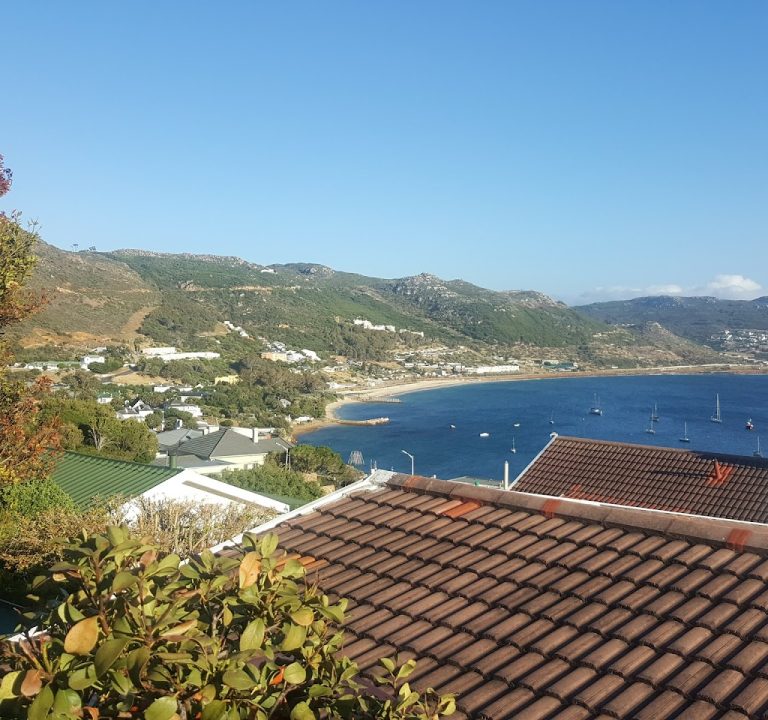
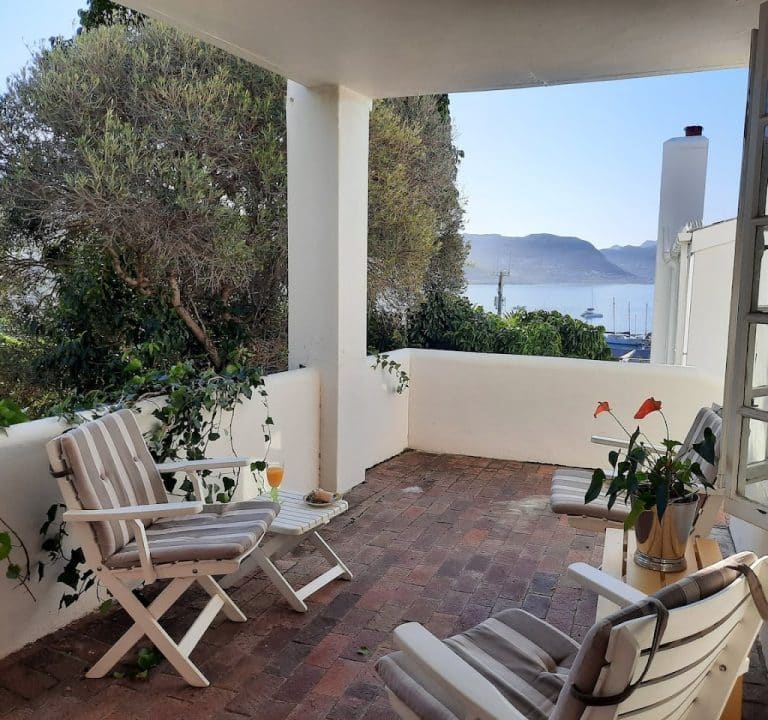
If you’re seeking a cosy, homely welcome, a guesthouse or B&B can provide personal touches, including home-cooked breakfasts and local recommendations. Sea The View Guesthouse, for example, exemplifies indoor lodging with a focus on comfort and convenient access to coastal stretches. It’s worth noting that Cape Town’s accommodation often blends indoor and outdoor elements, with terraces and balconies offering sea breezes and mountain panoramas. For larger groups or families, self-contained apartments and small hotels in popular coastal precincts can provide flexibility without sacrificing comfort.
Areas to consider include:
- Camp’s Bay and the Atlantic Seaboard for white-sand beaches, upscale dining, and sunsets over the Atlantic.
- Green Point and the V&A Waterfront for shops, easy transport links, and a mix of modern hotels and guesthouses.
- City Bowl and Gardens for historic architecture, art galleries, and proximity to the Company’s Garden and the national museum.
- Kirstenbosch and Constantia for leafy tranquillity, longer stays, and access to wine routes and garden city experiences.
- Bo-Kaap and Signal Hill for culture, colourful houses, and dramatic city views within easy reach of central attractions.
When booking, look for amenities that suit your travel style. A reliable Wi‑Fi connection is essential for planning days, while air conditioning or heating helps with Cape Town’s seasonal temperature swings. On the practical side, check whether parking is available if you plan to hire a car, or whether the property offers shuttle options to the city centre and major sights. A strong, well-lit neighbourhood and 24-hour reception or security are worth prioritising for late arrivals or weekend stays.
Transport is straightforward but varies by area. In the city and near the waterfront, you’ll find walkable streets, taxis, and ride-hailing services. The MyCiTi bus network provides affordable city-wide routes, including connections to the Cableway base station at Table Mountain and to the Constantia Valley. If you plan to visit the peninsula or winelands, hiring a car gives you flexibility, though many guided day trips and organised tours operate from central locations.
Best time to visit Cape Town depends on your interests. Spring (September to November) and autumn (March to May) offer mild weather, blooming gardens, and calmer crowds. Summer (December to February) brings longer days and excellent ocean conditions, ideal for beaches and outdoor activities, while winter (June to August) is cooler and wetter; it’s a great period for museums, indoor markets, and dramatic coastal storms. Whatever the season, it’s wise to book accommodation with flexible cancellation policies, particularly if you’re travelling during peak periods or school holidays.
Attractions are plentiful and varied. Iconic natural highlights include sentinel viewpoints above the city, coastal drives to the Cape Peninsula, and the world-renowned Table Mountain ascent, whether by cable car or hike. Vineyards and wine farms on nearby routes offer day-trip possibilities with scenic drives and cellar doors. In the city, you’ll find vibrant markets, museums, and a thriving restaurant scene that emphasises fresh seafood, grilled meats, and contemporary Cape flavours. When planning activities, balance nature days with urban explorations to avoid fatigue and allow for spontaneous discoveries along the way.
Dining and nightlife in Cape Town are well represented across the harbour and downtown rings, as well as in residential neighbourhoods. Expect menus that highlight local produce, seasonal seafood, and modern takes on traditional favourites. For a relaxed evening, look for venues with harbour views, live music, or laid-back terraces. It’s perfectly acceptable to ask for local recommendations from your hosts or at your accommodation’s reception; staff often know the best spots for sunset drinks, early dinners, and hidden courtyards away from the main tourist routes.
Practical tips to make the most of your stay:
- Pack layers to accommodate changing temperatures, especially near the coast and on the mountains.
- Carry sun protection and hydration for outdoor activities, even on cooler days.
- Stay aware of your surroundings and follow standard safety precautions, particularly in busier tourist hubs after dark.
- Book popular experiences in advance during peak seasons, but leave room for unplanned discoveries.
- Check your accommodation’s proximity to transport hubs and planned day trips to minimise transfer times.
Cape Town rewards curious travellers with a blend of natural beauty, space to breathe, and thoughtful hospitality. Whether you choose a characterful guesthouse in a leafy suburb or a sea-facing retreat near the action, a well-planned stay will help you unlock the city’s many layers. For planning inspiration and practical travel resources, you can explore official tourism sites and reputable travel guides to map out a balanced itinerary that includes restorative rest as well as energising adventures. More information and ideas can be found at credible travel portals and regional tourism pages.