Cape Town: Accommodation, attractions, dining and practical tips for your stay
Cape Town’s appeal lies in its dramatic setting where ocean meets mountains, offering a wide range of places to lay your head that suit every budget and style. From self-catering stays close to the city’s markets and harbour to boutique inns tucked behind leafy avenues, your choice of neighbourhood can shape the pace and flavour of your visit. A good plan balances access to major sights with a sense of neighbourhood character, so you can wake up to a different view each day.
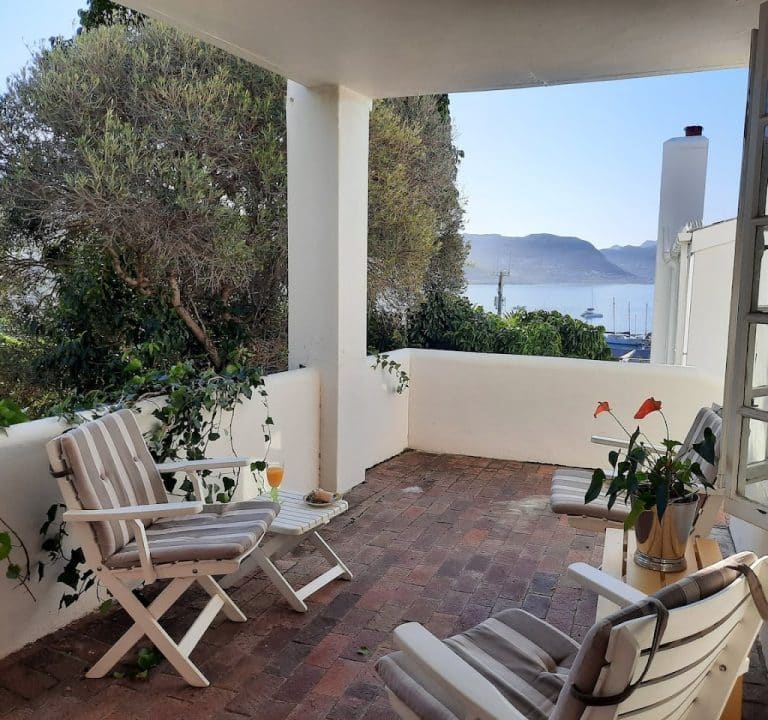
When considering central bases, the V&A Waterfront and the adjacent Green Point area are convenient for first-time visitors. They provide access to harbour tours, hop-on hop-off buses, and a cluster of restaurants and shops. For a more residential feel with quick routes to the Constantia wine valley and the Table Mountain cableway, consider the upper slopes of the City Bowl or the Constantia Valley. For beaches and sunset strolls, Camps Bay and Clifton offer stylish stays with a coastal vibe, while the colourful streets of Bo-Kaap and the historic delights of the Central Train Station area reveal Cape Town’s cultural layers. Bougainvillea House, a self-catering option noted by travellers, is one example of how a well-equipped, home-from-home stay can anchor your schedule with flexibility.
Accommodation in Cape Town ranges from apartment-style self-catering units to intimate guesthouses, boutique hotels and larger hotels with extensive facilities. Common amenities to look for include reliable wi‑fi, a well-equipped kitchen or kitchenette, secure parking, and 24-hour reception or on-site staff. If you plan to self-cater, check for a well-stocked kitchen, basic pantry items, laundry facilities, and proximity to supermarkets or markets. For families or groups, a multi-bedroom option with separate living areas can offer both privacy and shared space for meals and social time. If you’re staying for longer, many self-catering options provide flexible cleaning schedules and local information packs that help you map out day trips and meals without leaving the apartment."
Transport in Cape Town is user-friendly but not universal. The MyCiTi bus system serves many tourist-friendly routes, including connections to major sights and the suburbs. Taxis and rideshare apps are widely available, while some areas offer easy access on foot or by cycle. If you’re staying outside the city core, a car can be convenient for day trips to the Constantia wine routes, the Cape Point nature reserve, or the scenic Atlantic coast. When researching a property, consider how easy it is to reach the attractions you’re keen to visit, and whether parking is included or available nearby. In busy seasons, proximity to public transport or a short taxi ride can save time and reduce stress after a day of sightseeing.
Best time to visit Cape Town blends weather, crowds and outdoor activities. The austral spring (late September to November) and autumn (March to May) offer mild temperatures, fewer peak crowds, and calmer seas for coastal walks and outdoor experiences. Summer (December to February) brings warmer seas and longer days, ideal for beaches and outdoor dining, but can be busy. Winter (June to August) is quieter and cooler, with occasional rain—still a good time to explore museums, markets and wine tastings in the nearby valleys. If you plan outdoor adventures, such as hiking or sailing, check seasonal conditions and marine forecasts in advance, and always carry layers, sunscreen, and a hat for sun protection during bright days on the coast.
When planning a stay, a practical approach helps you maximise your time. Think about your must-see experiences and where you’d enjoy returning after a day of exploration. For accommodation, verify what is included with your unit—linen changes, cleaning schedules, and whether cookware is stocked for you to prepare meals. Consider a mix of experiences: a few nights in a central, easy-to-navigate area for early starts and late returns, plus a couple of nights in a more scenic or quieter district for a restorative break. Booking with flexible terms is useful in peak periods, and reading guest reviews can reveal insights about noise levels, security, and consistency of service that aren’t always evident from listings alone.
Top attractions lie along and around the city bowl, the Atlantic coastline and the winelands beyond. Highlights include Table Mountain and its cableway, Robben Island heritage tours, the V&A Waterfront’s harbour atmosphere, and the nearby Kirstenbosch National Botanical Garden. Along the Atlantic seaboard you’ll find beaches and coastal walks; in the city’s historic heart, Bo-Kaap’s steep lanes and colourful houses offer a memorable stroll. Dining in Cape Town is diverse, from seafood shacks with ocean views to modern bistros and markets that showcase local produce. Many restaurants emphasise seasonal produce, South African flavours and international cuisine, with menus that rotate to reflect fresh ingredients and guest preferences. It is wise to book ahead in peak seasons, especially in popular areas and on Saturdays, while midweek visits can offer calmer dining experiences.
Practical tips to enhance your stay:
- Check access to groceries if you plan self-catering, and consider staying near a good market or supermarket.
- Factor travel time to attractions into your daily plans, and allow for scenic routes that may require extra time.
- Bring layers for coastal weather, which can be breezy and changeable, even in warmer months.
- Balance days with a mix of outdoor activities and indoor mornings or afternoons in case of wind or sudden showers.
- Respect local safety guidelines and be mindful of secure storage for valuables, especially when staying in busy tourist zones.
Whether you opt for a stylish, fully equipped apartment like Bougainvillea House or a cosy guesthouse with intimate touches, Cape Town rewards travellers who blend careful planning with a sense of adventure. With its varied neighbourhoods, reliable transport options and an abundance of attractions and dining choices, your stay can be as relaxed or as lively as you desire. For further inspiration and practical booking information, you can visit local tourism sites and hotel and guesthouse listings to tailor a plan that suits your dates, budget, and pace of travel.