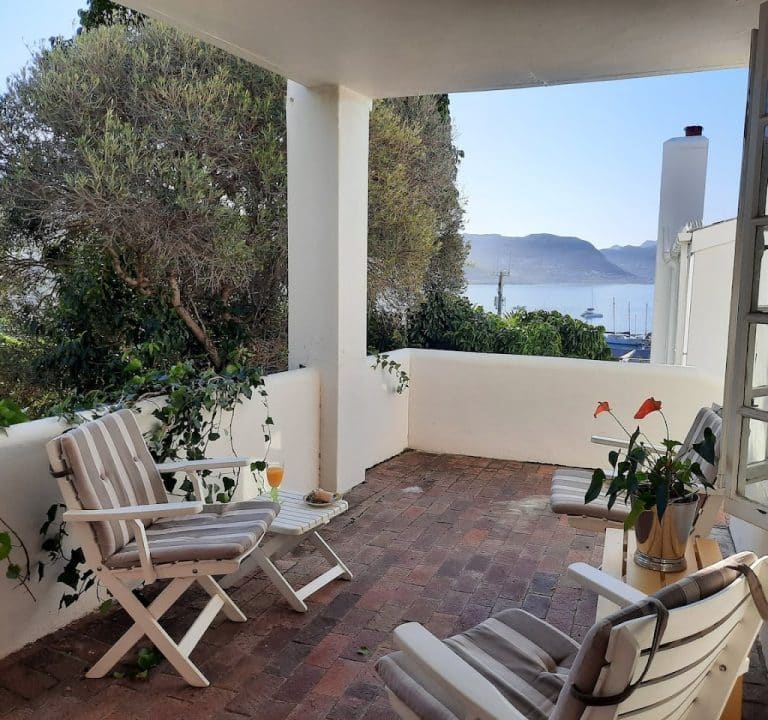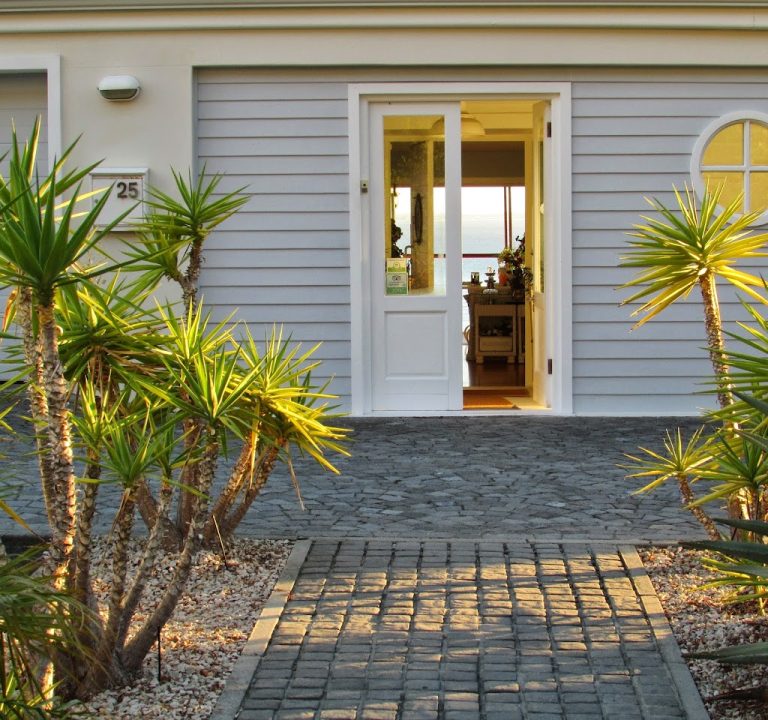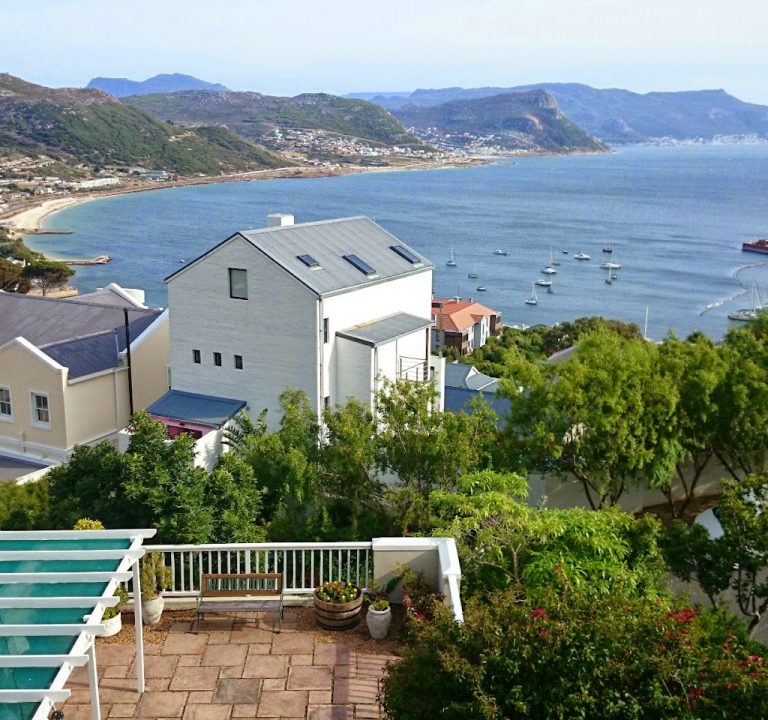
Compass cottage is a Bed & breakfast establishment in Cape Town, Western Cape, South Africa
Compass Cottage, Cape Town: A Traveller-Friendly Stay in the Western Cape
Compass Cottage stands as a modest yet stylish option in Cape Town, nestled within the rich tapestry of the Western Cape. While detailed descriptions of room types, on-site facilities, and specific policies are not provided, the accommodation presents itself as a welcoming base from which visitors can explore one of South Africa’s most celebrated cities. The setting suggests a cosy, home-like atmosphere that prioritises comfort and ease, making it a sensible choice for travellers who value a calm retreat after days spent exploring the city’s highlights.
As an accommodation in Cape Town, Compass Cottage is positioned to offer guests a convenient launching point for discovering the region’s famed landscapes and cultural attractions. The style is described in general terms as relaxed and charming, with an emphasis on creating a comfortable living space that suits a variety of travel plans—from short city explorations to longer breaks in the Mother City. While precise interior details are not enumerated, the emphasis remains on a thoughtful, guest-friendly approach that aims to simplify travel logistics and provide a pleasant stay.
For guests who prioritise a seamless booking experience and clear travel planning, the property presents itself as a straightforward choice. The absence of explicit information about specific amenities or room configurations means potential visitors may want to confirm details directly through the host or booking platform before finalising their plans. This approach aligns with a practical, no-surprises mindset that can be particularly appealing for solo travellers, couples, or small groups seeking a straightforward Cape Town retreat without unnecessary frills.
Although Compass Cottage’s own on-site features are not itemised in the available information, the property’s appeal lies in its location and its understated, comfortable presentation. The surroundings are likely to echo the warmth and biodiversity that Cape Town is renowned for, offering a peaceful haven that complements days spent roaming the city’s streets, markets, and coastal trails. The cottage-style ambiance can be an especially attractive option for travellers who appreciate a home-from-home atmosphere, where ease of access to local life and neighbourhood character enhances the overall experience.
Who is Compass Cottage best suited for? The lack of rigid specifications makes it a flexible option for a variety of travellers. It may particularly suit guests seeking a quiet, uncomplicated stay with the potential for personalised local recommendations. Those who value a more intimate, self-contained environment—typical of many cottages and guesthouse-style accommodations—could find Compass Cottage a comfortable base from which to immerse in Cape Town’s unique energy while still enjoying a sense of privacy and personal space.
Nearby highlights in Cape Town cover a broad spectrum of experiences, from natural wonders to cultural landmarks. Visitors can expect to find classic Cape Town attractions within reach, including the iconic Table Mountain and the scenic beaches that frame the city’s coastline. The V&A Waterfront presents a lively hub for shopping, dining, and people-watching, while Kirstenbosch National Botanical Garden offers a celebrated escape into nature. For those keen on exploring diverse neighbourhoods, the city’s cultural scene—from markets to galleries—provides ample opportunities to engage with local life and flavours.
Booking and travel tips for potential guests include sensible planning steps. It is advisable to verify exact check-in procedures, any house rules, and what is included in the rate before arrival. Considering Cape Town’s varied climate, packing layers and a light rain jacket can help manage weather changes, especially when venturing outdoors to Table Mountain or coastal areas. If flying in, arrival logistics can be made smoother by researching the best routes from the airport to the cottage’s neighbourhood and checking for convenient public transport options or parking arrangements if required. For a richer stay, combining a stay at Compass Cottage with a curated local experience or a day trip—whether a wine-tloor tour in nearby Constantia or a coastal excursion—can enrich the visit and provide a true sense of the Western Cape’s celebrated hospitality.
In summary, Compass Cottage in Cape Town presents itself as a genteel, user-friendly option within a world-renowned city. Its appeal lies less in explicit luxury features and more in the comfort of a well-placed base from which to uncover Cape Town’s diverse charms. For travellers seeking a straightforward, pleasant stay with the potential for personalised local insights, Compass Cottage offers a sensible consideration among Cape Town’s wide range of accommodation styles. Interested guests can explore booking options and further details through the standard booking platforms, with the understanding that some specifics about rooms, facilities, and policies may require direct confirmation.
- Nearby highlights: Table Mountain, V&A Waterfront, Kirstenbosch Gardens, and Cape Town’s beaches.
- Best for: travellers seeking a comfortable, uncomplicated base with easy access to city sights.
- Travel tips: confirm check-in details and amenities before arrival; consider combining with curated local experiences.
Cape Town
Western Cape
7995
South Africa


Compass Cottage and other great stays in Cape Town: planning your visit
Cape Town, set against the dramatic backdrop of Table Mountain and the Atlantic coastline, offers a rich tapestry of accommodation options for every traveller. From intimate bed and breakfasts to modern boutique hotels and self-catering lodges, choosing where to stay can shape your entire experience of the city. As a representative example, consider a characterful bed & breakfast such as Compass Cottage, a small-scale Guesthouse offering a friendly, home-from-home welcome. Booking a stay that suits your plans involves weighing locality, amenities, and transport links to make the most of your time in the Western Cape.
Areas to consider when planning a visit include the V&A Waterfront and the central city for easy access to dining and nightlife; the Atlantic Seaboard, where views of the coastline come with stylish hotels and self-catering apartments; and the Constantia valley, ideal for wine lovers and quieter, leafy stays. If you favour a rustic, coastal vibe with good access to beaches, look towards Camps Bay or Hout Bay. For a true neighbourhood experience with a local flavour, the Bo-Kaap, De Waterkant, and the Cape Town city bowl offer plenty of guesthouses and boutique stays within walking distance of markets, cafés, and viewpoints.
When selecting accommodation, think about your priorities. If you want a cosy, personal welcome and breakfast on site, a B&B like Compass Cottage can be ideal. If you need space for a family or a longer stay, a serviced apartment or small hotel with kitchen facilities and storage may suit you better. For those who prefer minimal planning and access to facilities such as a pool or on-site restaurant, look for boutique hotels or lodges with clear declarations of their amenities. Always confirm what is included with your rate and whether breakfast is a self-serve option, a plated service, or offered at a nearby café.
What to look for when booking includes proximity to reputable transport options, such as MyCiti bus stops, rail links from the central station, or easy routes to popular sightseeing hubs. Access to parking can be a decisive factor in Cape Town, where some areas are best explored by car while others are perfectly walkable or served by affordable ride-hailing. If you plan scenic drives or day trips to the Cape Winelands, the Cape Peninsula, or Cape Point, ensure your stay offers parking or easy take-away options for breakfast before you head out.
Typical amenities you may encounter include secure access, daily housekeeping, complimentary tea and coffee, free Wi-Fi, and comfortable bedding. Many Cape Town accommodations offer shelves or desks for working travellers, luggage storage, and well-equipped bathrooms with separate showers. Some properties provide outdoor spaces such as courtyards or balconies with harbour or mountain views. A pool, sun deck, or garden can be a welcome retreat after a day of exploring Table Mountain National Park, the Kirstenbosch Botanical Gardens, or the suburbs of Southern Suburbs and the Atlantic coast.
Transport arrangements often influence your decision. If you plan to stay near the city centre, you might rely on short rides or walking routes to major sights and markets. If you’re basing yourself on the Atlantic Seaboard, you’ll want convenient access to coastal walks, beaches, and a straightforward route to the city for day trips. Many visitors appreciate being near a reputable taxi or rideshare service, as well as reliable public transport options for trips to the winelands or Cape Point. A useful approach is to map out the day-by-day plan and locate a few lodging options within each area to compare walkability, noise levels, and morning light for photography enthusiasts.
Best time to visit Cape Town hinges on the activities you want to pursue. The shoulder seasons of spring (September to November) and autumn (March to May) typically offer mild weather, fewer crowds, and pleasant light for exploring the vines, Table Mountain, and the city’s vibrant neighbourhoods. Summer (December to February) is busy and lively, ideal for beach days and outdoor markets, while winter (June to August) can be cooler and rainier, though many attractions remain accessible indoors, and the city’s cuisine scene shines year-round.
Practicals to note include booking flexible dates when possible, especially if you want to adjust plans around weather or wildlife sightings. Check cancellation policies and whether your rate allows changes without penalties. Read guest reviews for insights into noise, maintenance, and how well hosts or proprietors handle queries or special requests. When you arrive, having contact details for your accommodation’s reception or host is handy, and exploring the local area on foot can reveal excellent dining options and hidden viewpoints you won’t find in guidebooks.
Attractions and experiences in Cape Town can be approached in broad terms without tying them to specific establishments or prices. Natural beauty, historic neighbourhoods, and world-class cuisine form the core of most itineraries. In terms of dining, Cape Town’s restaurants range from casual eateries offering hearty local fare to refined venues focusing on contemporary dining with a global influence. For sightseeing, you can structure a route that includes iconic viewpoints, scenic coastal drives, and cultural hubs, balancing outdoor activities with museum or gallery visits depending on the weather and your interests.
- Areas to weigh for your stay: City Centre, Atlantic Seaboard (including Camps Bay and Clifton), Bo-Kaap and De Waterkant, Constantia Valley.
- Key booking considerations: location, transport access, breakfast options, parking, and guest reviews.
- Amenities to anticipate: Wi-Fi, daily housekeeping, private bathrooms, kitchen facilities, outdoor spaces.
- Planning tips: flexible dates, map your day trips (Winelands, Cape Point, Table Mountain), and consider a mix of indoor and outdoor activities.
Whether you choose a quaint B&B such as Compass Cottage or a stylish city or seafront stay, Cape Town invites you to tailor your visit to your pace and interests. With careful planning around area, transport, and amenities, your South African adventure can be both enriching and wonderfully comfortable. For inspiration and listings, you can explore established platforms and travel guides, keeping your plans flexible and your itinerary delightfully varied.
Sorry, no records were found. Please adjust your search criteria and try again.
Sorry, unable to load the Maps API.
Why Claim Your Listing?
Claiming your listing on the B&B Finder directory website is a valuable opportunity for business owners. Here are five reasons why you should consider claiming your listings:
Control Over Business Information: By claiming their listing, business owners can ensure that all the information presented is accurate and up-to-date. This includes details such as contact information, address, pricing, and available services or amenities. Accurate information helps prevent customer confusion and improves overall satisfaction.
Enhance the Listing: Once a listing is claimed, owners can enhance it by adding more comprehensive information and rich media, like high-quality photos and videos. These additions can make the listing more attractive and engaging to potential customers, thereby increasing the likelihood of bookings.
Marketing Opportunities: Claiming a listing can also open up additional marketing opportunities. Owners may be able to participate in promotional campaigns, special offers, and other marketing activities organized by the directory. This can increase visibility and attract more customers to the business.