Guide to Accommodation and Experiences in Cape Town, Western Cape, South Africa
Cape Town remains one of the world’s most compelling travel destinations, offering a superb mix of coastline, mountains, culture and cuisine. For stays, the city presents a broad spectrum of options from stylish self-catering apartments to boutique guesthouses and modern hotels. When planning a visit, think about what you want to do most—beach days, mountain adventures, or city culture—and choose an area that puts you close to your priorities while still offering easy access to other neighbourhoods.
Popular areas for accommodation include the constant variety of the City Bowl and The Waterfront, the scenic Atlantic Seaboard stretching from Sea Point through to Camps Bay, the leafy Constantia valley for a more relaxed, wine-country vibe, and the historic Bo Kaap neighbourhood with its colourful streets and hospitable guesthouses. Each area has its own rhythm:
- City Bowl and De Waterkant: easy access to museums, markets, nightlife, restaurants and public transport.
- Atlantic Seaboard (Sea Point, Bantry Bay, Camps Bay): beaches, promenade walks, dramatic ocean views and a chic, resort-like atmosphere.
- Constantia: green spaces, vineyards and a quieter pace away from the sea-front crowds.
- Green Point and the V&A Waterfront: proximity to the harbour, stores, dining and ferry routes to nearby attractions.
- Bree Street and the historic Bo Kaap: excellent dining options, culture, and walkable city scenery.
When booking, look for several practical features. A clean, well-maintained space with clear access instructions is essential for a smooth arrival. Self-catering stays, such as Harbour House, can offer the most flexible itineraries for savvy travellers who want to cook some meals, do food shopping at nearby markets, and enjoy homely comforts after day trips. If you prefer more hands-off convenience, boutique hotels or guesthouses often provide daily housekeeping and reception support. Check for reliable Wi‑Fi, secure parking if you’re driving, and air conditioning or heating, as Cape Town’s climate can vary with the seasons and microclimates across the city.
Typical amenities to expect include a well-equipped kitchen or kitchenette, a private or shared lounge, quality bedding, ample storage, and en-suite bathrooms. Outdoor spaces are particularly desirable in warmer months: balconies, terraces, or access to a garden can be a real advantage. In a self-catering property, a thoughtfully stocked kitchen and clear guidance on local supermarkets, bakeries and café culture can save you time when planning meals after a day on the mountains or the coast.
Transport options are key. The MyCiTi bus network is a convenient urban option for many travellers, while ridesharing services provide flexibility for late returns from evenings out. If you are exploring beyond central areas, check whether your accommodation offers parking or proximity to major routes. Cape Town’s scenic routes—along the Atlantic Seaboard or up to the Constantia Valley—are particularly popular for day trips and wine-tasting excursions, meaning a hire car can be a practical choice for longer stays.
Best time to visit Cape Town depends on what you want to do. Summer months (December to February) bring warm, sunny days ideal for beaches and outdoor activities, but can be busy. Spring (September to November) and autumn (March to May) offer pleasant weather with fewer crowds, making it a favourite shoulder season for many visitors. Winter (June to August) brings cooler, wetter weather, which is still pleasant for city exploring and nearby rainforests or Cape Town’s winelands, often with lower accommodation rates outside peak periods. Pack for changing conditions, especially if you plan to visit outdoor attractions such as Table Mountain, where weather can shift rapidly."
Attractions and activities span natural beauty, heritage and food experiences. Iconic views from Table Mountain or from vantage points along the coast are complemented by beaches and nature reserves. Robben Island, the District Six Museum, and contemporary art spaces provide cultural depth, while markets and harbourfront areas offer a relaxed, family-friendly tempo. For dining, Cape Town’s culinary scene ranges from vibrant casual spots to refined eateries, with a strong emphasis on seafood, regional produce and mixed South African influences. Rather than fixed names, look for venues that reflect the city’s diversity and hospitality, and seek out markets and street-food hubs for easy, affordable meals.
Booking tips to help you plan smoothly:
- Read recent guest reviews to gauge consistency and host responsiveness.
- Ask about neighbouring amenities and transport links, especially if you intend to rely on public transit.
- Clarify check-in procedures and any security measures if staying in busy areas.
- Consider a mix of accommodation types for a balanced itinerary—start with a central base and plan day trips from there.
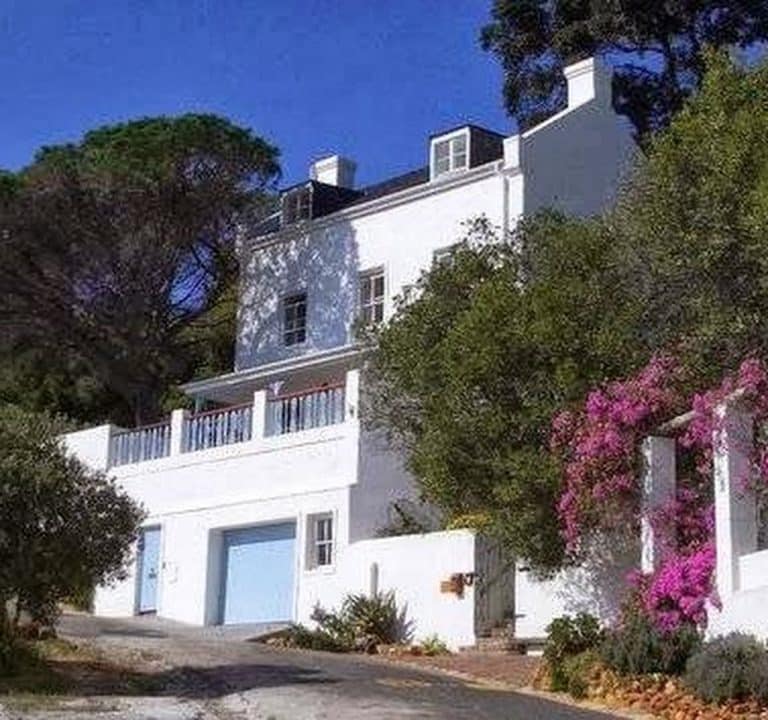
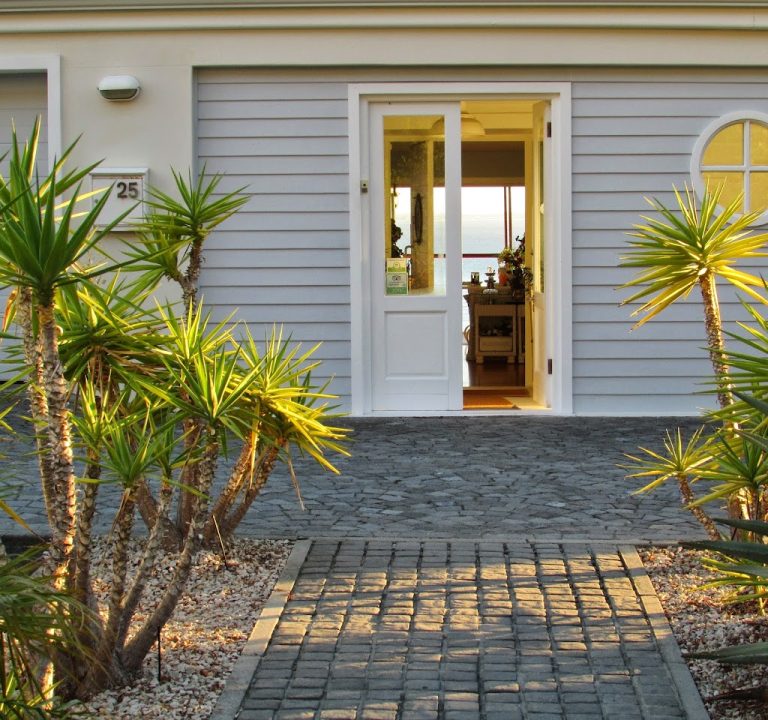
For those seeking a comfortable home base with a focus on self-catering convenience, Harbour House offers a practical option with a focus on self-contained living spaces, ideal for families or groups who prefer a more independent stay while in Cape Town. Visit the property’s official site for details on locations, facilities, and nearby attractions: http://harbourhouse.capetown/
In summary, Cape Town rewards travellers who plan thoughtfully: choose a neighbourhood that aligns with your interests, verify practical amenities and transport access, and balance time between nature, culture and dining. With its stunning landscapes, friendly hospitality and a broad spectrum of accommodation styles, the city invites you to craft a personalised stay that fits your pace and preferences.