Explore Cape Town: accommodation, attractions, and planning your stay
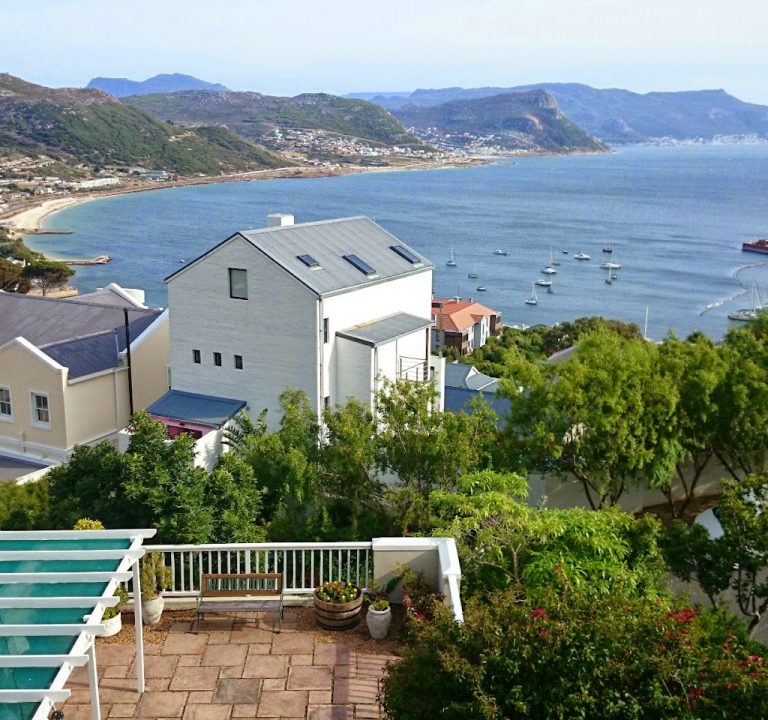
Cape Town offers a diverse mix of places to stay, from intimate bed & breakfasts and characterful guesthouses to chic boutique hotels and self‑catering apartments. The key is to choose a neighbourhood that aligns with your interests, pace, and access needs, then tailor your itinerary to experience both iconic sights and hidden gems around the city and along the surrounding coastline.
When planning accommodation, consider the areas that best suit your plans. The City Bowl puts you within easy reach of central sights, museums, and vibrant dining, while the Atlantic Seaboard offers coastal views, beaches, and a more relaxed ambience. For wine lovers or families seeking space and privacy, Constantia and nearby Constantia Valley present serene stays with easy access to wine estates and nature trails. Bo Kaap adds historic colour and character, and nearby Green Point provides a practical base for stadiums and the V&A Waterfront. If you’re exploring outdoors and hiking, Constantia, the Constantia Valley, and the slopes around Table Mountain are appealing choices.
- City Bowl and Central Cape Town – convenient for sightseeing and nightlife
- Atlantic Seaboard (Sea Point, Green Point, Camps Bay) – scenic coastline and beaches
- Constanti a and Constantia Valley – tranquil, leafy, wine country feel
- Southern Suburbs and the peninsular towns – access to nature routes and coastal scenery
Typical amenities you might expect include complimentary Wi‑Fi, private en‑suite bathrooms, secure parking, and flexible check‑in options. A good B&B or guesthouse will often offer home‑cooked breakfasts or light self‑catering facilities, while boutique hotels may provide curated room packages and guest services such as concierge assistance for tours and restaurant reservations. If you travel with children or require accessibility features, filter searches for family rooms, step‑free access, or wider doorways. For longer stays, self‑catering apartments or cottages can provide a more economical and flexible base with kitchen facilities and living space.
Booking tips to help you secure the right stay include reading recent guest reviews focusing on transport convenience, noise levels, and staff helpfulness, as these factors consistently influence the quality of a Cape Town visit. Look for properties with easy access to safe transport options or parking, and with proximity to MyCiTi bus routes, city taxis, or rideshare services. If you rely on public transport to explore, choose accommodation near major hubs or along transit routes. For coastal stays, check the views and noise considerations—some rooms may have excellent outlooks but be closer to busy streets.
Transport in Cape Town is well developed but can vary by area. The MyCiTi bus network offers affordable, relatively straightforward routes through the City Bowl and along the Atlantic Seaboard. Taxis and rideshares are convenient for day trips or evening plans. If you plan to visit the Cape Point region, Kalk Bay, or Simon’s Town, a hire car provides flexibility, though organised tours are a stress‑free alternative. For trailheads and nature reserves, consider staying near Kirstenbosch or the Table Mountain foothills for shorter walks and easier access to sunrise or sunset viewpoints.
The best time to visit Cape Town depends on your priorities. The summer months (roughly November to February) are lively with warmer seas and longer daylight, ideal for beach days and outdoor activities. Spring and autumn offer milder weather, with fewer crowds and excellent conditions for hiking Table Mountain and exploring the winelands. Winter (June to August) brings cooler air and occasional rain, but it can be a peaceful time to enjoy museums, cuisine, and fewer queues at popular sites. Pack layers, a light waterproof, and comfortable walking shoes suitable for steep terrain and steps as you navigate the city’s hilly streets.
When planning a stay, couple your accommodation search with a balanced mix of experiences. Cape Town’s appeal extends beyond the famous landmarks to sheltered bays, scenic coastal drives, and neighbourhoods where street life and markets reveal the city’s character. In terms of food and drink, you’ll find a thriving scene that spans casual cafés and family‑run eateries to stylish restaurants with panoramic views. Seek out places that reflect the local produce—think fresh seafood, seasonal vegetables, and bar‑style wine lists—without assuming high prices or awards. Always check if a property can arrange restaurant reservations, airport transfers, or guided walks, as well‑connected hosts can streamline your visit.
For a well‑rounded itinerary, consider a two‑to‑five‑night base in a centrally located guesthouse or boutique hotel, complemented by day trips to the Cape Point coastline, the Cape Winelands, and Kirstenbosch National Botanical Garden. End your days with sunset drinks at a terrace or beachside spot, followed by a relaxed dinner either within your chosen neighbourhood or at a nearby waterfront precinct. Cape Town rewards patient explorers with dramatic scenery, friendly neighbourhoods, and a sense of discovery around every corner.
Useful links to explore accommodation and ideas for your stay include regional tourism boards and city guides, which provide up‑to‑date insights on transport options, seasonal events, and seasonal highlights. For planning, you can visit official tourism sites that detail neighbourhoods, maps, and practical travel tips to help you build a personalised Cape Town itinerary that fits your interests and budget.