Cape Town: Where to stay, what to do and how to make the most of your visit
Cape Town sits between mountains and sea, offering a rich mix of scenery, culture and cuisine. When planning a stay, consider the neighbourhoods that align with your interests and pace. The city centre and the V&A Waterfront place you at the pulse of activity, while areas such as the Atlantic Seaboard, Atlantic suburbs, and the Constantia Valley provide prettier vistas, quieter streets and easy access to beaches and vineyards. For a more intimate, local flavour, neighbourhoods such as Green Point, Bo-Kaap and Observatory offer character-filled stays close to cafes, markets and nightlife. Each area has its own character, so think about how you prefer to move around, what you want to see each day and how much time you’d like to spend indoors versus outdoors.
When booking accommodation, look for a few practical details that make a big difference to the stay. Proximity to reliable transport, whether that’s MyCiTi bus routes, ride-hailing services, or easy taxi access, helps you move between beaches, viewpoints and sights without stress. Check the building’s daylight and ventilation, especially in a city where breezes can be brisk by the coast. Read guest reviews for indicators of noise levels, especially if you’re staying near busy streets or popular venues. If you’re travelling with family or a group, consider spaces with separate bedrooms, flexible seating areas or smaller suites that accommodate different rhythms—morning vs evening routines can be smoother with a thoughtfully laid out layout.
Typical amenities in Cape Town stays include reliable Wi-Fi, secure parking or easy access to public transport, a well-equipped kitchen or kitchenette, air conditioning or effective heating, and thoughtful extras like a work desk, tea and coffee facilities, and quality bedding. For those seeking pampering or a sense of retreat, look for guest houses or hotels that offer on-site wellness facilities, such as a spa, pool, or a garden terrace with shade and seating. Dining options vary; some properties provide breakfast on-site, while others offer full-service dining or curated local recommendations. It’s also common to find reception staff who can assist with arrangements for tours, restaurant bookings and advice on the day’s best sun moments at locations such as Table Mountain, the Cape Peninsula or nearby winelands.
Practical planning tips for a stay in Cape Town:
- Check the accessibility of viewpoints and hiking trails you plan to visit, especially for headlands and Table Mountain routes.
- Book restaurant reservations ahead of peak times, particularly during weekends and school holidays.
- Pack layers and a light rain jacket; coastal weather can change quickly, with morning mists and afternoon sunshine common in many seasons.
- Plan for travel times between the city bowl and the southern Peninsula, allowing for traffic at peak hours.
- Choose accommodation with good 24-hour reception or clear access instructions if you anticipate late arrivals.
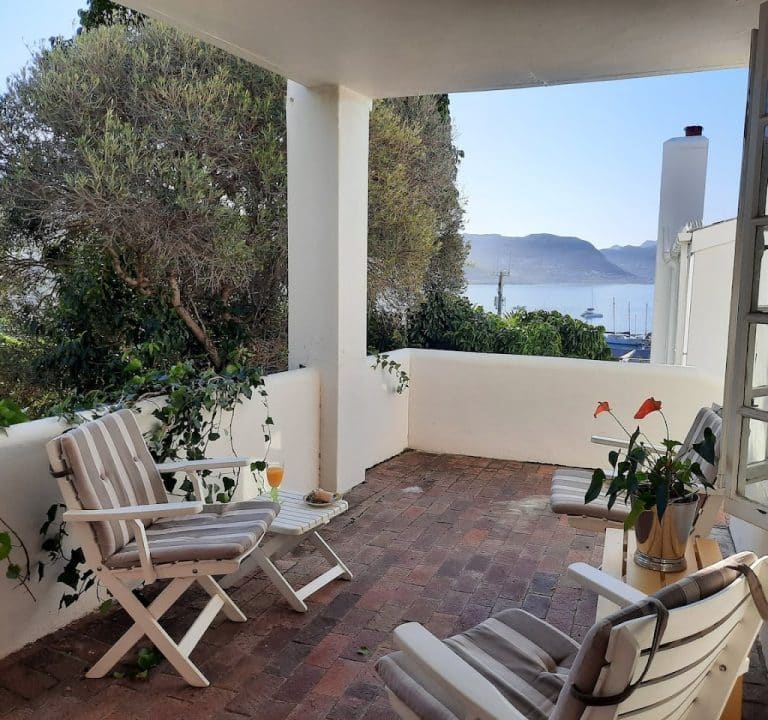
One noteworthy example of lodging in the area is Willets Hotel & Spa. This property represents a blend of comfortable rooms and spa facilities, offering a convenient base for exploring both the city centre and more scenic coastal routes. For guests considering a longer stay, a stay that blends urban access with nearby natural beauty, such a hotel can be a practical anchor. More information can be found on the property’s website: Willets Hotel & Spa.
When it comes to transport, Cape Town’s geography rewards pedestrians with easy access to beaches and viewpoints, but a little motorised help often makes day trips smoother. The City’s public transport network, ride-hailing services, and car hire options can each play a role depending on your itinerary. If you plan to visit the Cape Peninsula, consider renting a car for a day or two to enjoy the scenic drive along the coast, passing bustling seaside towns, rugged cliffs, and protected coves. For city-based days, an efficient hop-on-hop-off approach or a guided walk can be a friendly way to cover major sites with reliable commentary and local tips.
Best time to visit Cape Town depends on the activities you crave. The summer months (roughly November to February) bring long days, harbour breezes, and peak outdoor events, ideal for beach days and scenic coastal drives. Autumn (March to May) offers milder weather and fewer crowds, a good window for wine country visits and hiking. Winter (June to August) can be cooler and wetter, yet it still offers rich cultural experiences, fewer queues at popular attractions, and excellent dining. Spring (September to October) often gives a balance of pleasant weather and blooming gardens. Pack accordingly and plan indoor options such as museum visits, theatre, and food markets for days when the weather shifts.
Aside from iconic scenery, Cape Town’s culinary scene deserves time. Expect a diverse range of eateries, from casual eateries offering seafood and braai (barbecue) to refined restaurants emphasising modern South African and international flavours. Markets and street-food hubs provide a snapshot of local produce, artisan crafts and multicultural influences that characterise the city’s food culture. For visitors drawn to experiences rather than reservations, guided food tours or neighbourhood walking tours can reveal hidden gems and authentic spots that aren’t always listed in guidebooks.
In planning a stay, balance is key: choose a base that minimises long commutes to your must-see attractions, allows you to unwind after day trips, and gives you access to convenient dining options. Whether you favour a stylish hotel with spa facilities, a cosy guesthouse tucked away in a leafy street, or a modern apartment near the water, Cape Town rewards thoughtful planning. With a mix of landscapes, vibrant cuisine and a welcoming hospitality scene, your itinerary can linger on the best moments—the sea breeze along the Atlantic edge, the sweeping vistas from viewpoints above the city, and the memory of a sunset over the western coastline.