Accommodation and Experiences in Cape Town, Western Cape
Cape Town sits at the edge of a striking coastline and beneath dramatic mountains, making it a destination where your choice of neighbourhood can shape your entire stay. When planning a visit, consider what you want most from your base: easy access to the city’s historic and cultural sites, proximity to beaches and hiking, or a quieter retreat with a slower pace. From stylish hotels on the Atlantic Seaboard to guesthouses tucked into leafy Constantia valleys, there is an option to suit most budgets and travel styles.
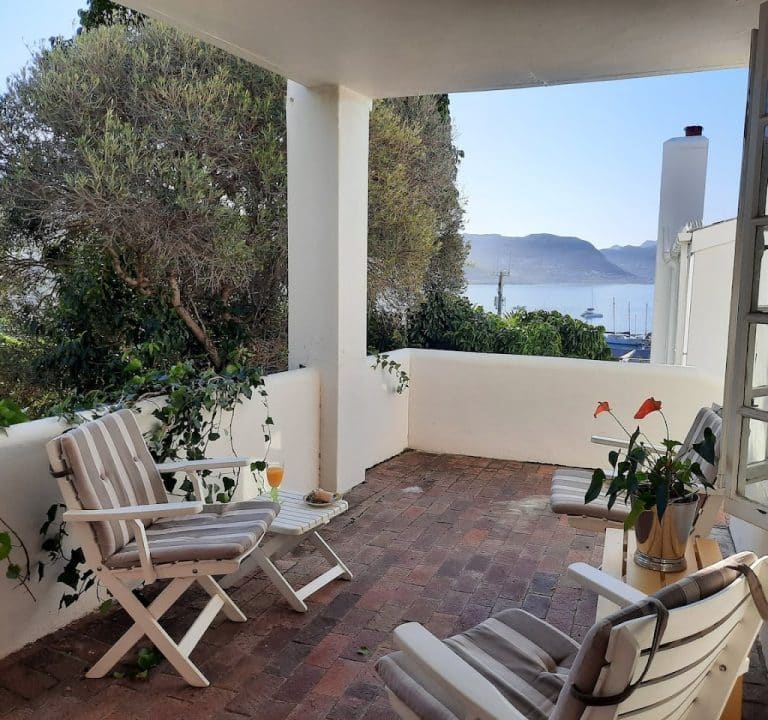
Areas to consider include the City Bowl for walkable access to museums, markets and the central business district; the V&A Waterfront area for maritime ambience and convenience; the Atlantic Seaboard and Camps Bay for dramatic sea views and sundowner moments; and the Constantia Valley for wine-country charm just outside the city. For a maritime experience with historic flavour, a stay near Simon’s Town offers a quieter, waterside atmosphere with easy access to the False Bay coastline and penguin colonies nearby.
Accommodation in Cape Town ranges from boutique guesthouses and BnBs that feel like a home away from home to contemporary hotels with on-site dining, concierge services and spa facilities. When you book, think about the kind of pace you want: a lively hub with many dining options or a peaceful base from which to explore. If you plan to spend long days outdoors—whether hiking Table Mountain, exploring the Cape Peninsula, or taking a day trip to nearby towns—a comfortable bed, a reliable climate control system, and a good quality shower can be worth prioritising.
The following features are typical of well-suited properties in the area:
- Ensuite bathrooms and contemporary bedding for comfort after long days of sightseeing
- Balanced temperatures and reliable heating/air conditioning, especially in cooler months
- Well-equipped kitchens or kitchenette facilities in self-catering options
- Secure parking or easy access to reliable public transport
- Concierge or reception services to help tailor day trips and restaurant bookings
When evaluating a booking, look beyond the room rate. Check the proximity to the sights you want to visit, the availability of early breakfast or late checkout if you have unusual flight times, and whether the property offers airport transfers or parking. Read recent guest reviews to gauge consistency, such as how attentively staff respond, the cleanliness standards, and any noise levels from street or nearby venues. If you are travelling with family or a group, verify room configurations and the suitability of common areas for socialising or quiet downtime.
Transport in Cape Town is varied. The MyCiTi bus service offers a straightforward way to reach the central areas from several suburbs, and Uber or other ride-hailing apps provide flexible door-to-door transport. If you plan to venture beyond the city, consider organised day trips or renting a car for freedom to explore areas around the Cape Peninsula, Stellenbosch, or the Constantia wine route. For hotel stays near the water, check if there is easy access to the V&A Waterfront or the Sea Point promenade so you can enjoy evening strolls without needing long drives.
The best time to visit Cape Town depends on your plans. Spring and autumn offer milder weather and fewer crowds, making it ideal for hiking and outdoor activities. Summer (November to February) is excellent for beach days and sailing conditions, though it can be busy with peak-season travellers. Winter sees cooler, wetter weather but opens opportunities to enjoy museums, markets, and indoor experiences with fewer visitors. If you enjoy wildflowers, plan a spring visit when the Cape Floral Kingdom blooms—just note that weather can be changeable, so pack layers and a light waterproof layer.
Beyond where you stay, Cape Town offers a wealth of experiences that can be woven into your itinerary. Outdoor highlights include scenic coastal drives, short hikes with panoramic views, and wildlife encounters along the peninsula. Cultural experiences span galleries, design quarters, and historic districts. Culinary offerings range from casual coastal cafes to refined restaurants with fresh, local produce. In terms of dining, you’ll encounter a thriving scene focused on seasonal ingredients, seafood, and diverse international influences. Look for venues that offer al fresco options for restaurant evenings with ocean breezes or mountain sunsets, depending on your location.
As a practical note, a stay near Simon’s Town provides a different tempo: closer to the Cape’s maritime heritage and quieter bays, with easy access to coastal walks and wildlife experiences. An example of accommodation in this area is the aha Simon’s Town Quayside Hotel, which offers a waterfront setting and thoughtful amenities for travellers exploring the southern peninsula. More information can be found through its official site: http://www.quayside.co.za/.
Planning a Cape Town stay is about balancing location, comfort, and rhythm. Whether you choose a stylish hotel near the buzz of the Waterfront, a homely guesthouse in a leafy suburb, or a tranquil lodge in the wine country, arrange your bookings with flexibility where possible. Reserve essentials in advance during peak seasons, but leave room in your itinerary for spontaneous detours along the coast or a wine-tasting detour in Constantia. With its diverse neighbourhoods, Cape Town invites you to tailor a stay that matches both your interests and your pace, while leaving room for discovery at every turn.