Durban: Where to stay, eat, and explore
Durban, perched on the eastern coast of South Africa, blends subtropical coastal charm with cultural diversity and easy access to the sea. When planning a stay, consider both convenience and the atmosphere you want: a lively beachfront vibe, a leafy residential area with cafés, or a stylish city centre base close to galleries and markets. Durban’s climate is warm for most of the year, with wetter summers and drier winters, so packing for both sun and occasional showers will keep plans flexible.
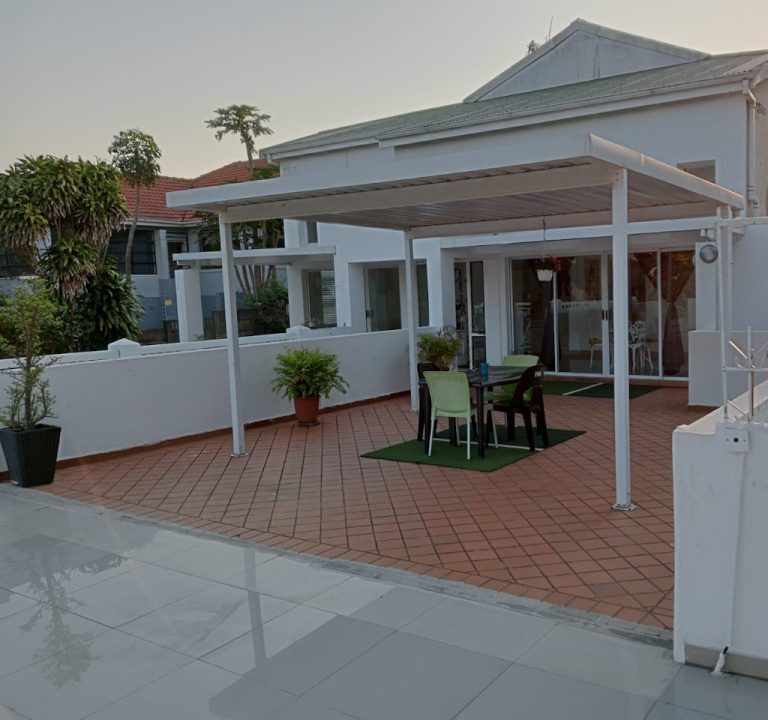
Accommodation in Durban ranges from boutique hotels and guesthouses to larger hotels and self‑catering apartments. For a relaxed, walkable experience, consider stays along the Golden Mile and the beachfront precincts. If you prefer a more contemporary or urban setting, the central and Berea areas provide easy access to shops, cafés and nightlife. For a family-friendly or resort-like feel, the northern coast areas offer spacious rooms and facilities near the sea. One noteworthy option often recommended by guests is a boutique hotel that combines thoughtful design with a convenient location close to Durban’s key sights. Whichever type you choose, look for quiet rooms, reliable air conditioning, and clear information about parking and local transport links.
When selecting an area, map out your priorities. A beachfront base minimises transit time to the seafront promenades and harbour views, while a central base can shorten journeys to markets, museums and restaurants. If you’re visiting in peak season, midweek stays can be more affordable and quieter than weekends, though the city’s waterfront and markets tend to buzz throughout the week. Durban experiences a range of events year‑round, from markets and live music to cultural performances, so checking the local calendar can help you pick a stay that aligns with your interests.
Typical amenities to look for include secure parking or easy access to public transport, a good‑sized room, and a reliable breakfast option if you like to start the day with a hearty meal. Many Durban properties offer extra touches such as outdoor pools, gardens, or rooftops with ocean views. If you travel with a family or group, an apartment‑style room with a kitchenette can be practical and economical. Accessibility features, in‑room fridges, and strong wi‑fi are increasingly common and worth confirming before booking.
Transport around Durban is straightforward but can require a bit of planning. The city is served by a network of taxis, ridesharing apps, and some bus routes. If you plan day trips to outlying beaches, nature reserves, or nearby towns, consider whether your accommodation offers easy access to hire cars or guided tour options. Proximity to major roads and the promenade makes it simpler to enjoy early morning runs, jogs along the coast, or sunset strolls after dinner. For those staying near the central business district, a short taxi or rideshare ride can be a reasonable choice for evenings out. Remember to budget for occasional peak‑hour traffic, particularly in the business districts and along the beachfront arcades on weekends.
The best time to visit Durban varies with weather and events. The summer months (roughly November to March) are warm and often wet, with colourful markets and lively street life. Winter (June to August) is milder and drier, a good option for visitor‑friendly rates and quieter streets, though sea temperatures can be cooler for long swims. Shoulder seasons—April/May and September/October—often offer pleasant weather and a comfortable balance between crowds and activities. Consider timing with local festivals, such as cultural celebrations and seasonal markets, to add a distinctive flavour to your stay.
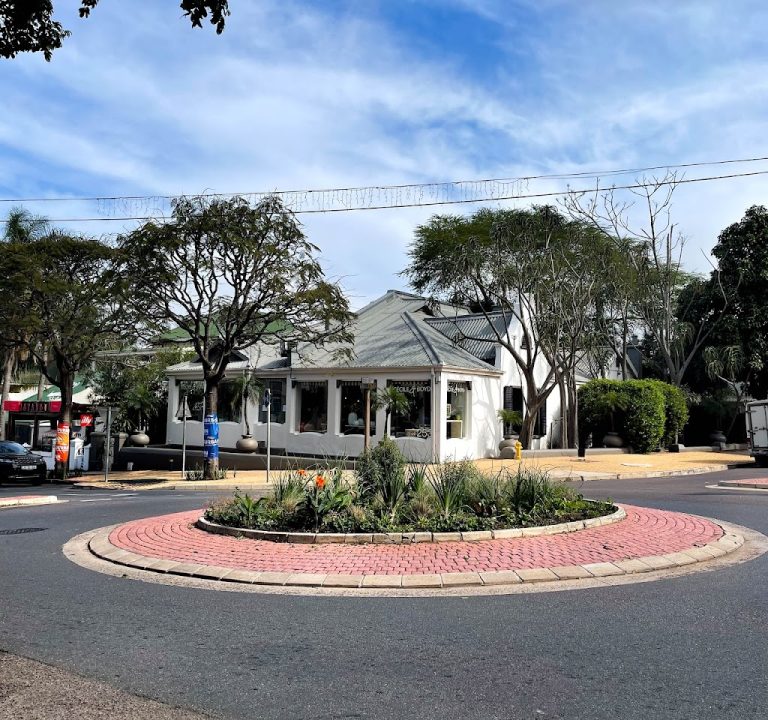
Beyond the hotel, the city offers a rich tapestry of experiences. For a relaxed day, stroll along the Golden Mile, dip into the Indian Ocean, and sample fresh seafood and coastal snacks from friendly stalls and eateries. Durban’s markets are a highlight for visitors who enjoy exploring local crafts, spices, and produce. Cultural experiences may include galleries, museums, and performances that reflect the region’s many influences. Dining options span traditional South African favourites, coastal seafood, and modern eateries focused on seasonal ingredients. When planning meals, you can opt for places with outside seating to enjoy the warm climate and sea breeze, particularly in the evenings.
- Consider staying in a boutique hotel or guesthouse in a walkable neighbourhood to maximise your time exploring on foot.
- Balance beach time with cultural and culinary experiences to get a well‑rounded sense of Durban.
- Check for in‑house amenities such as breakfast options, secure parking, and wi‑fi when comparing stays.
- Plan transport in advance for day trips to nearby beaches, nature reserves, or towns outside the city.
For inspiration on places to stay and things to do, consult reputable travel resources or the official Durban tourism pages. Always verify current travel advisories, opening hours, and any seasonal notices before you travel. Durban’s warmth—both weather and hospitality—tends to shine through, making it a destination where a well‑chosen base can unlock a wide range of experiences, from relaxing beach days to vibrant city life. A thoughtfully planned stay, with flexible itineraries and a comfortable base, helps you make the most of KwaZulu‑Natal’s exuberant coast.