Durban in KwaZulu-Natal: A practical guide to accommodation, attractions and dining
Durban offers a vibrant mix of beaches, leafy suburbs and buzzing urban quarters, making it ideal for travellers seeking both relaxation and culture. From sun‑drenched shoreline stays along the Golden Mile to characterful guesthouses in historic neighbourhoods, there are options to suit different styles and budgets. When planning a stay, think about what you want to experience most—beaches, markets, award‑winning eateries or inland scenery—and pick a base that minimises daily travel while keeping you close to your must‑see spots.
Areas to consider include the beachfront precincts, where many hotels and self‑catering apartments overlook the Indian Ocean, and the city centre or Berea for a more cosmopolitan atmosphere with easy access to cafés, boutiques and heritage architecture. For families or longer stays, Durban North and Glenwood offer quieter residential vibes with convenient transport links to the tourist belt. If you prefer a coastal village feel, Umhlanga and the nearby stretches of coastline provide modern resorts, pristine beaches and a more relaxed pace while still being connected to Durban’s sights.
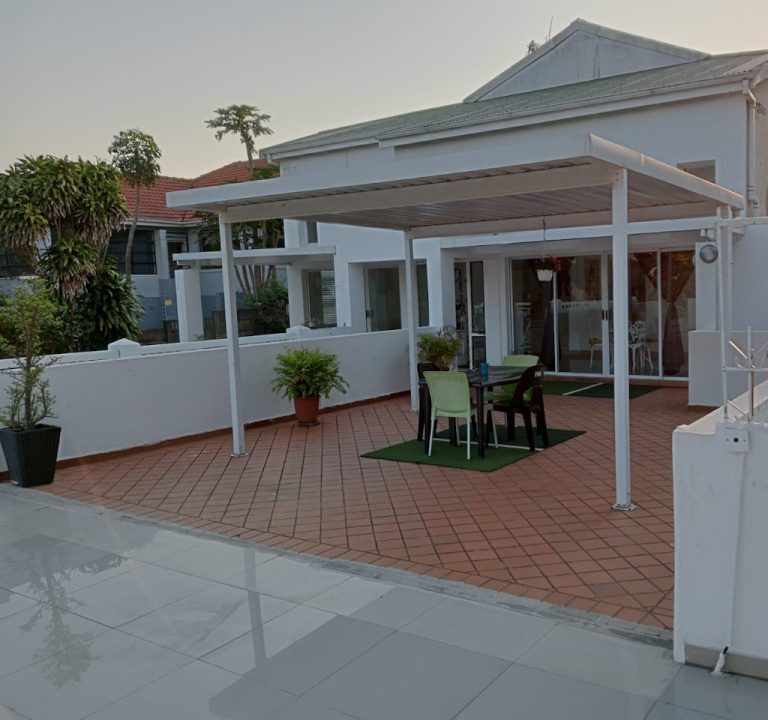
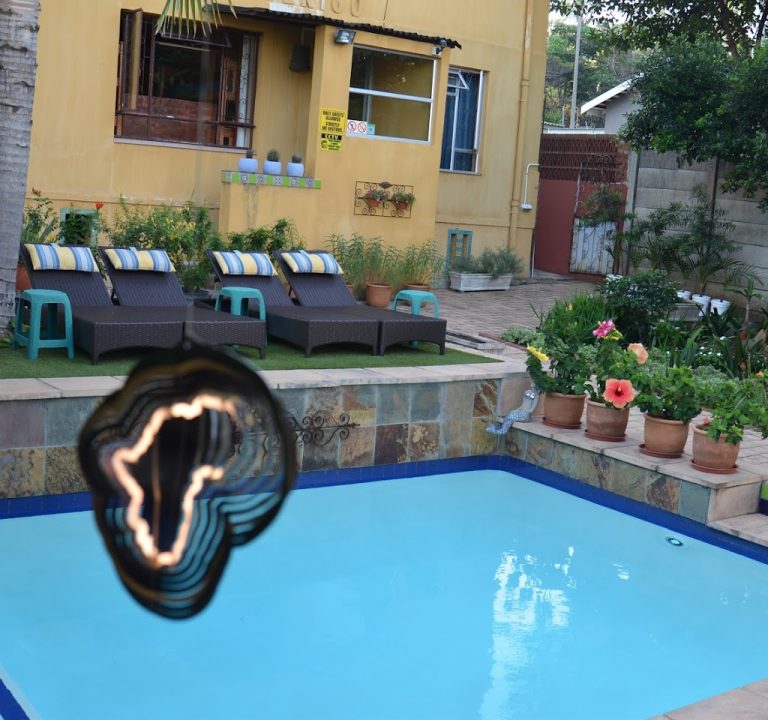
Typical amenities to look for when booking include reliable air conditioning, a strong Wi‑Fi connection, secure parking, and a central reception that can help with planning day trips. Some properties offer self‑catering kitchens or apartment layouts, which can be convenient for groups or longer visits. A boutique hotel, such as Andaluz Boutique Hotel, can provide personalised service and a thoughtfully curated atmosphere, while guesthouses and smaller lodges often present a more intimate and affordable option. If you rely on public transport, check proximity to bus routes or train stations; many properties in the city centre are well served by taxis and ride‑hailing apps, and some may offer shuttle services to popular beaches or commuter hubs.
Transport in Durban is straightforward but planning ahead helps. If you’re staying near the main beach front, walking along the promenade is pleasant and car‑free for many distances. For day trips beyond the coast—such as inland cultural routes or nature reserves—consider renting a car or arranging a guided excursion. Roads are generally well maintained, though traffic can be heavier during peak commuting times. For air travellers, Durban’s King Shaka International Airport is linked by road to most popular areas, with travel times influenced by traffic and weather conditions.
The best time to visit Durban is guided by weather and crowds. The summer months (roughly November to March) bring warm, humid conditions and afternoon showers, ideal for beach days but potentially disruptive for long outdoor itineraries if you’re sensitive to heat. Winter (June to August) is mild and pleasant, with cooler evenings—great for exploring gardens, markets and the city’s historic architecture. The city’s subtropical climate supports outdoor dining and late‑afternoon strolls most of the year, though it’s wise to check local event calendars for musical performances or cultural festivals that may affect availability and crowd levels.
When planning activities, mix iconic sights with local experiences. Durban’s beaches are a natural draw, but you’ll also find engaging wildlife encounters, vibrant markets and cultural hubs that offer hands‑on insights into Zulu heritage and Indian‑South African influences. Family‑friendly activities, nature walks and scenic viewpoints provide alternatives if you’re travelling with children or simply wish to slow the pace. Dining ranges from casual beachfront grills to curry houses and modern bistros celebrating coastal produce. Expect a warm, welcoming atmosphere and opportunities to sample seafood, spiced stews and fresh fruit in relaxed, neighbourhood settings.
Practical planning tips to help you get the most from a Durban stay:
- Book accommodation with easy access to your planned days out, whether that means a beachfront base for sun and surf or a central location for markets and urban exploring.
- Check property reviews for information on cleanliness, security, and quiet hours, particularly if you’re staying in busy city quarters or boutique hotels.
- Look for amenities such as air conditioning, reliable hot water, and on‑site dining or easy access to nearby eateries.
- Ask hosts or concierge services about the best beach access points, parking arrangements, and safety tips for evenings near the coast.
- Plan a mix of beach time, cultural sights and nature activities to balance energy levels and avoid peak heat hours.
- Consider a guided tour or a car‑sharing arrangement for day trips to inland attractions or township experiences, if you prefer organised itineraries.
- Pack light layers, sunscreen and a reusable water bottle; many spots offer shade or rooftop terraces for respite from the sun.
- Review cancellation policies and booking windows, especially if travelling in peak seasons or during local events.
For inspiration, browse Durban’s official tourism pages or reputable travel guides to identify accommodation clusters that align with your interests. Sample itineraries often combine a stretch of beach days with visits to markets, museums and botanical gardens, followed by evenings of diverse dining that showcase coastal and multicultural influences. Whether you prioritise a stylish boutique stay, a family‑friendly guesthouse or a modern hotel with ocean views, Durban’s hospitality sector is well geared to help you craft a memorable KwaZulu‑Natal visit. For ideas, start with a trusted tourism site and explore accommodations that suit your preferred neighbourhood, then pair them with flexible day trips and easy restaurant options that showcase the city’s warm hospitality and rich culinary scene.