Durban: Where comfortable stays meet vibrant beaches, eateries and easy travel
Durban in KwaZulu-Natal offers a warm, sub-tropical welcome that suits a range of travellers, from sun-seeking families to solo explorers. The city’s accommodation stretches from boutique guest houses and characterful lodges to contemporary hotels and self-catering apartments. When planning a stay, it helps to think about areas that match your pace—whether you want beachfront convenience, leafy residential charm, or a central hub close to nightlife and dining.
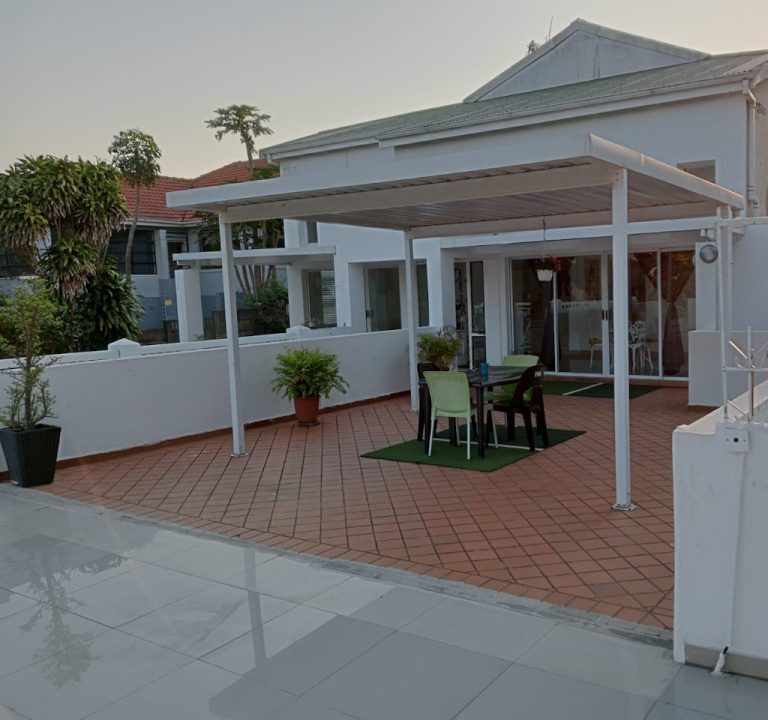
One of the guiding questions for booking is what you value most in a stay. If you crave steps to the sea, look for properties on the Golden Mile or in the popular beachfront neighbourhoods along the Marine Parade. For a quieter base with easy access to shopping and restaurants, the Berea and Morningside areas offer strong transport links and a more residential atmosphere. If you’re visiting for sport, concerts, or conventions, staying near major venues and the city centre can save time and reduce long commutes. The Time and The Place – Morningside, a guest house, exemplifies this kind of central, comfortable option with a focus on guest convenience and a respectful, personal touch.
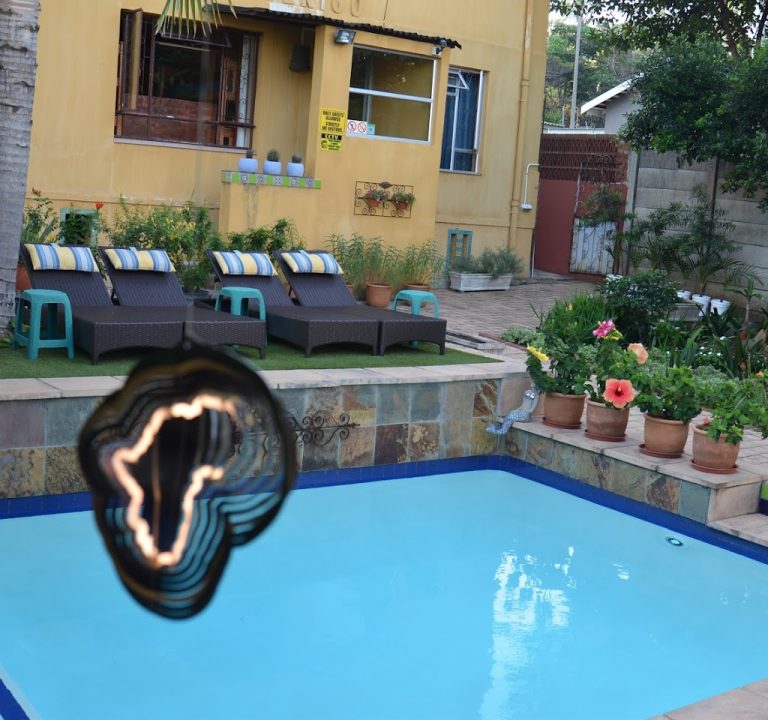
Typical amenities to consider include free Wi‑Fi, off‑street parking, and options for self‑catering or breakfast inclusions. Many guest houses in Durban offer a mix: well-equipped en suites, comfortable communal spaces, and sometimes a small garden or pool. Clear policies about access hours, luggage storage, and housekeeping frequency help you plan your days, especially if you’re balancing business with leisure. Think about the bed type and room layout, particularly for families or groups who need extra space or privacy between bedrooms and living areas. Accessibility can be important too—check whether there are stairs without a lift, or if a lower-floor room is available if mobility is a consideration.
Transport in Durban is relatively straightforward but differs by district. The city benefits from a growing MyCiti bus network and handy taxis or rideshare services. If you’re staying away from the beachfront, plan a little extra time for popular traffic windows and consider property access points to major routes. For days devoted to exploring the coast, a stay with easy beach access and a practical kitchen can be ideal so you can enjoy casual meals after a day by the water. If you’re hiring a car, confirm parking arrangements and whether the space is private or shared with other guests.
Best time to visit Durban tends to be during the warmer, drier months. The city’s climate supports long beach days from late spring through autumn, with humidity varying and evening breezes offering relief after heat during peak summer. Winter can be milder and pleasant for outdoor activities, though some days may feel cooler. For those curious about events and outdoor markets, spring and early autumn are often lively, with festivals and community happenings that showcase Durban’s diverse culture. Always check local calendars for any road closures or venue changes when planning day trips or evening activities.
When it comes to planning activities, Durban’s seaside promenade offers a gentle, scenic way to begin exploring. The city is known for its golden beaches, palm-fringed avenues, and a coastal vibe that extends inland to parks and botanical settings. For a family-friendly day, you’ll find gentle, educational experiences suited to kids, along with places to refuel with casual meals or seafood dishes by the harbour. If you enjoy a mix of culture and cuisine, Durban’s dining scene balances traditional African and Indian influences with modern, casual eateries, many of which offer relaxed atmospheres suitable for groups, couples, or solo travellers. For a broader sense of the city’s heritage, consider a stroll through historic districts, where architecture and local craft markets provide a sense of place without needing grand reservations or fixed itineraries.
Practical tips to help you make the most of your stay:
- Book with flexibility where possible, especially in peak seasons or around major events.
- Read guest reviews for real-world insights on noise levels, staff helpfulness, and actual distances to beaches and transport hubs.
- Ask about parking arrangements if you’re driving; confirm whether the space is secured and whether there are any restrictions.
- Check breakfast options and kitchen facilities so you can plan easy, budget-conscious meals.
- Consider a central base if you plan to move around the city by taxi or rideshare, rather than driving everywhere.
- Pack adaptable clothing for a range of weather, especially if visiting during shoulder seasons when conditions can change quickly.
For those seeking inspiration beyond the guest house, the city offers a blend of attractions and experiences in general terms: long maritime views along the coast, cultural and historical sites, and a dining scene that ranges from casual seafood shacks to modern eateries. If you’d like to start your planning or discover current recommendations, a quick tour of Durban’s visitor information can help you tailor a stay to your pace and interests. For further ideas and updates, you can explore Durban’s official visitor resources as you shape your itinerary, and consider a stay that places you close to both the sea and the city’s vibrant, friendly heart.
Durban rewards curious travellers with comfortable places to rest and ideas for day trips that fit a relaxed, enjoyable rhythm. Whether you choose a boutique guest house in Morningside, a beachfront hotel along the promenade, or a family-friendly lodge inland, your Durban visit can be as easygoing or as lively as you wish. For an easy start to planning, see Visit Durban for general inspiration and practical tips about current areas of interest and travel arrangements.
Links to explore: Visit Durban for ideas on accommodation, transport and experiences that capture the spirit of KwaZulu-Natal’s coastal city.