Durban: Where to stay and how to plan a great visit in KwaZulu-Natal
Durban, on South Africa’s eastern coastline, blends subtropical beaches with a vibrant urban edge. When planning a stay in this dynamic city, it helps to think about the rhythms of neighbourhoods, the pace of transport, and the type of experience you want from your accommodation. From boutique BnBs to larger hotels and stylish lodges, Durban offers options that suit a range of itineraries and budgets, with easy access to beaches, parks, cultural hubs and a wealth of eateries.
Popular areas to consider include the Gold Mine of options along the Golden Mile and along the coast towards Umhlanga, where modern hotels and contemporary apartments often sit close to the sea. The central Berea and the Musgrave area provide a mix of mid-range to higher-end stays, with easy access to museums, markets, and dining. Durban North and the Point precinct offer a slightly quieter pace while remaining convenient for the beachfront and the city’s historic attractions. When choosing a base, think about proximity to the main sights you plan to visit, as well as transport options and the vibe you want—some areas feel lively and walkable, while others are better suited to short drives or rideshares.
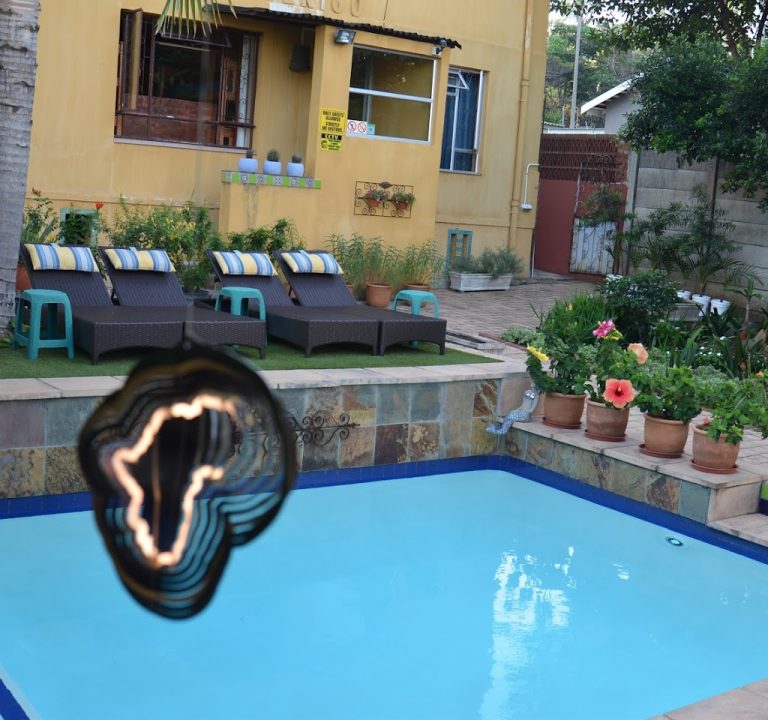
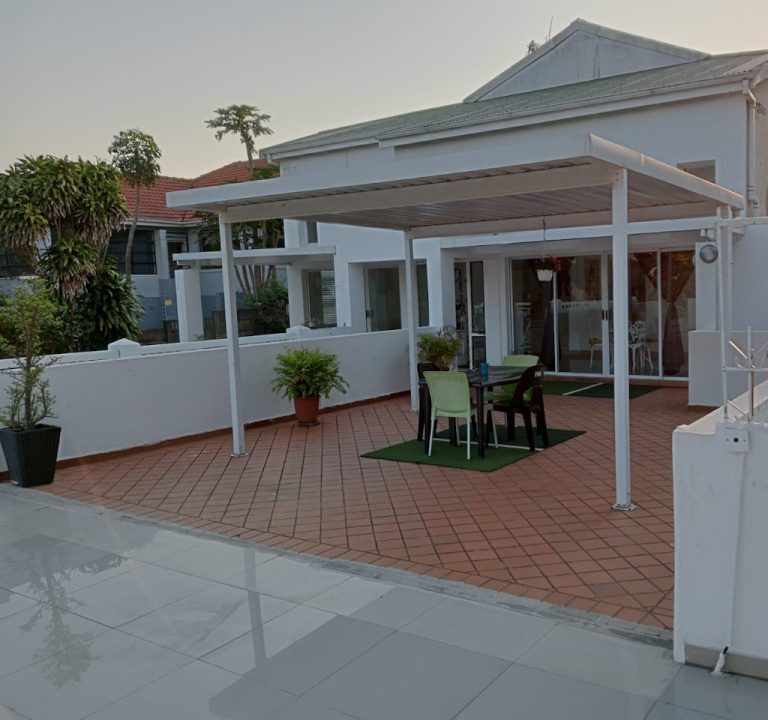
Typical accommodation in Durban spans stylish guesthouses and curated BnBs that deliver personalised service and breakfast options, to mid-range hotels and upscale waterfront lodges that emphasise comfort and convenience. Common amenities include free Wi‑Fi, air conditioning, on-site parking, and tables of a continental or full breakfast variety. For families or longer stays, serviced apartments and suites with kitchen facilities can be especially practical. If you value sustainability or local character, look for guesthouses aligned with community initiatives or with hosts who can share insider tips about hidden beaches, markets, and local culinary spots.
Transport in Durban is generally straightforward. The city is spread along the coast, and a combination of car hire, ridesharing, and some reliable public transport options makes it feasible to explore beyond your immediate neighbourhood. If you plan to drive, check for on-site parking and the ease of access to major routes; if you prefer not to drive, ensure your accommodation is within reasonable walking distance of cafés, convenience stores, and reliable taxi/ride‑hailing services. For air travelers, the international airport is connected to a number of regional destinations, and many hotels offer shuttle services or arrange transfers upon request.
Best time to visit Durban tends to be during the warmer months, with milder winters compared to inland regions. A subtropical climate means sunshine for long stretches, though late summer can bring higher humidity and the possibility of coastal showers. If you’re planning outdoor activities or beach days, shoulder seasons can offer pleasant weather with fewer crowds. Pack lightweight clothing, sunglasses, sun cream, and a light layer for cooler evenings near the coast. For visitors seeking cultural experiences, aligning your trip with local markets, music, and food events can enrich your stay—these are often seasonal and community-led rather than fixed-year-round spectacles.
When planning an itinerary, consider a mix of coastal downtime and city exploration. Durban’s beaches are a major draw, but the city also has botanical parks, zesty markets, and historic townships that offer insights into the region’s diverse communities. If you enjoy nature, days can be spent along the coastline, with drives to nearby natural reserves or inland kites of greenery. Food lovers will discover a range of styles, from seafood shacks along the shoreline to vibrant eateries in urban hubs; many establishments emphasise fresh, locally sourced ingredients, and a casual, welcoming atmosphere.
Practical tips for a smooth stay in Durban:
- Read guest reviews carefully to gauge the balance of comfort, location, and value for money in the area you’re considering.
- Prioritise accommodation with secure parking or reliable transport options if you plan to explore beyond the immediate vicinity.
- Ask hosts or hotel staff for local dining suggestions and lesser-known beaches away from the busiest stretches.
- Check cancellation policies and any seasonal closure dates for attractions you intend to visit.
- Consider a multi‑neighbourhood itinerary to experience both the bustling coastal strip and quieter residential areas.
Attractions in Durban are numerous and varied—from long, sandy beaches and scenic promenades to cultural institutions and family-friendly parks. Dining experiences range from casual beachside venues to more refined eateries, with menus that often focus on seafood, curries, and contemporary South African cuisine. For visitors who enjoy guided experiences, reputable operators can arrange city walks, nature excursions, or cultural tours that provide context and depth to your stay without requiring fixed plans far in advance.
Finally, when choosing where to stay, prioritise areas that align with your interests and give you the balance you seek between relaxation and exploration. Durban rewards curious travellers with warm hospitality, a lively street scene, and a coastline that invites long, leisurely days. With thoughtful planning—considering neighbourhoods, transport, and practical amenities—you can design a stay that feels both effortless and memorable.