Durban, KwaZulu-Natal: where to stay and what to explore on a friendly KwaZulu-Natal break
Durban sits on the east coast of South Africa, facing the Indian Ocean with a subtropical climate that makes it a year‑round destination for beach lovers, culture seekers and families. When planning a stay, think about areas that suit your style and pace, as Durban offers a mix of beach front stays, leafy suburbs and practical, central apartments that are convenient for exploring the city and its surroundings.
For those seeking a convenient, self‑contained option, furnished apartment buildings can be a smart choice. In Florida, for example, you’ll find properties that combine the comforts of a home with the convenience of a central location. These can be especially practical for longer stays, families or travellers who prefer a kitchen and living space. Always check what is included—air conditioning for Durban’s warm months, access to laundry facilities, secure parking and reliable internet are common plusses, though conditions vary by building and management.
Best areas to consider depend on your priorities. The beachfront precincts along the Golden Mile and central Durban offer easy access to beaches, promenades and sunlit strolls. Umhlanga, a short drive north of the city centre, is known for a calmer, more resort‑like atmosphere with excellent dining and shopping. Morningside and Greyville provide a more urban experience with quick links to the King Shaka International Airport corridor and the city’s cultural hubs. For a quieter residential vibe with straightforward access to city sights, consider smaller suburbs such as Florida or Glenwood, where some guesthouses and apartment blocks keep a strong sense of local life without sacrificing comfort.
What to look for when booking is as important as when you book tickets. Prioritise security and accessibility—well‑lit entrances, 24‑hour reception or on‑site management, and clear guest policies help with peace of mind. If you’ll be driving, confirm secure parking or easy access to street parking. Check notes on noise and room configuration if you’re travelling with children or staying longer. Self‑catering facilities can be a real time saver, while on‑site leisure options—such as a pool, gym or communal barbecue areas—can add value for a relaxed break. If you plan to explore beyond the coast, look for properties with good highway access or proximity to taxi routes and rideshare pick‑ups.
Typical amenities worth expecting include air conditioning or ceiling fans (Durban can be humid in summer), a well‑equipped kitchenette or kitchen, laundry facilities or access to a laundromat, free Wi‑Fi, and reliable housekeeping. A comfortable bed, adequate storage and clean, well‑maintained bathrooms are essential. It’s worth checking whether hotel‑style services are available, such as daily cleaning, a reception desk, and guest information about local transport and experiences. Consider what matters most for your stay—quiet rooms for sleeping early, or easy access to late‑night dining and nightlife zones.
Transport around Durban is straightforward but varies by neighbourhood. Taxis and ridesharing are widely available, and some accommodation blocks offer shuttle services or can arrange airport transfers. If you plan day trips to the countryside or coastal towns beyond Durban, a rental car is convenient and often cost‑effective. Within the city, plenty of routes are operable on foot or by bicycle in the cooler mornings, especially along the beachfront and in well‑connected suburbs. Durban’s climate means a sun‑hat and sunscreen are useful most days, even when you’re exploring inside a shopping precinct or historic district.
The best time to visit Durban is influenced by the weather and the rhythm of local life. The warm, wet summer months (roughly November to March) bring lush scenery and long days at the beach, but expect humidity and occasional rain showers. Winter (June to August) is milder and drier, with cooler evenings, which can be ideal for sightseeing and dining out. Shoulder seasons—April to May and September to October—often offer pleasant temperatures and fewer crowds, which can be perfect for those who want a relaxed pace while still enjoying outdoor activities.
Durban’s attractions and dining span a wide spectrum, from sandy leisure to cultural immersion. The city’s coastline is known for long promenades, palm‑lined beaches and the energy of the waterfront precincts. Within easy reach are museums, botanical gardens, and markets that celebrate Zulu heritage, craftwork and local cuisine. While you may encounter specific venues by name in travel guides, the overall experience is one of colour, warmth and hospitality: stroll along the promenade, browse a neighbourhood market, and sample dishes that blend Indian, African and coastal flavours. For meals, seek out venues that celebrate fresh seafood, grilled meats, and vibrant salads—often accompanied by a relaxed, family‑friendly atmosphere and views across the ocean or city gardens.
When planning a stay, a practical approach helps you make the most of Durban. Consider preparing a flexible itinerary that reserves some time for spontaneous discoveries—historic buildings, street art, parks and cafés give character to a city break. If you’re staying in a furnished apartment or a serviced block, plan your meals around the kitchen’s capabilities and local grocery options. It’s sensible to book central or well‑connected accommodation if you want to minimise travel time between beaches, markets and cultural sites. Finally, keep a weather‑eye on the forecast and pack light layers for the evenings, along with a compact rainproof layer just in case of tropical showers.
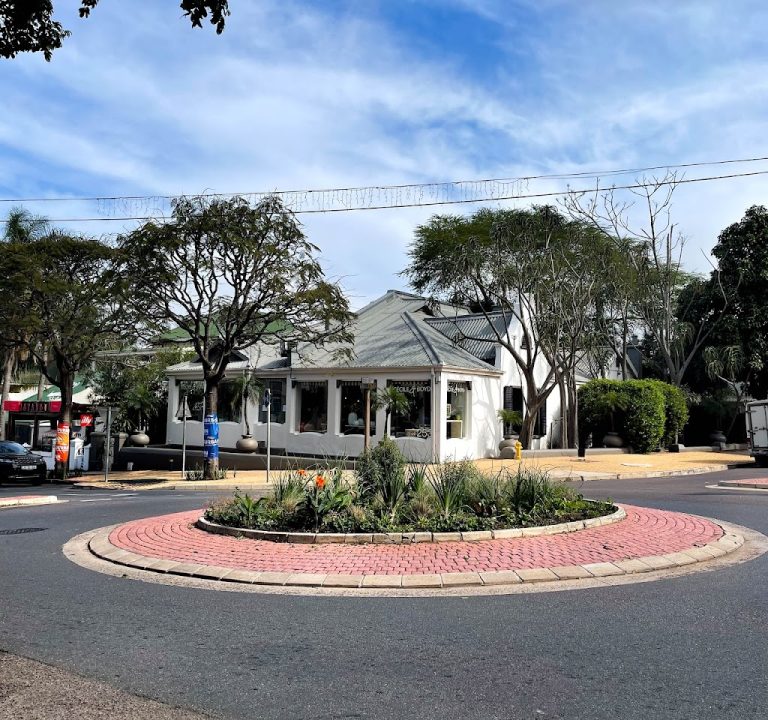
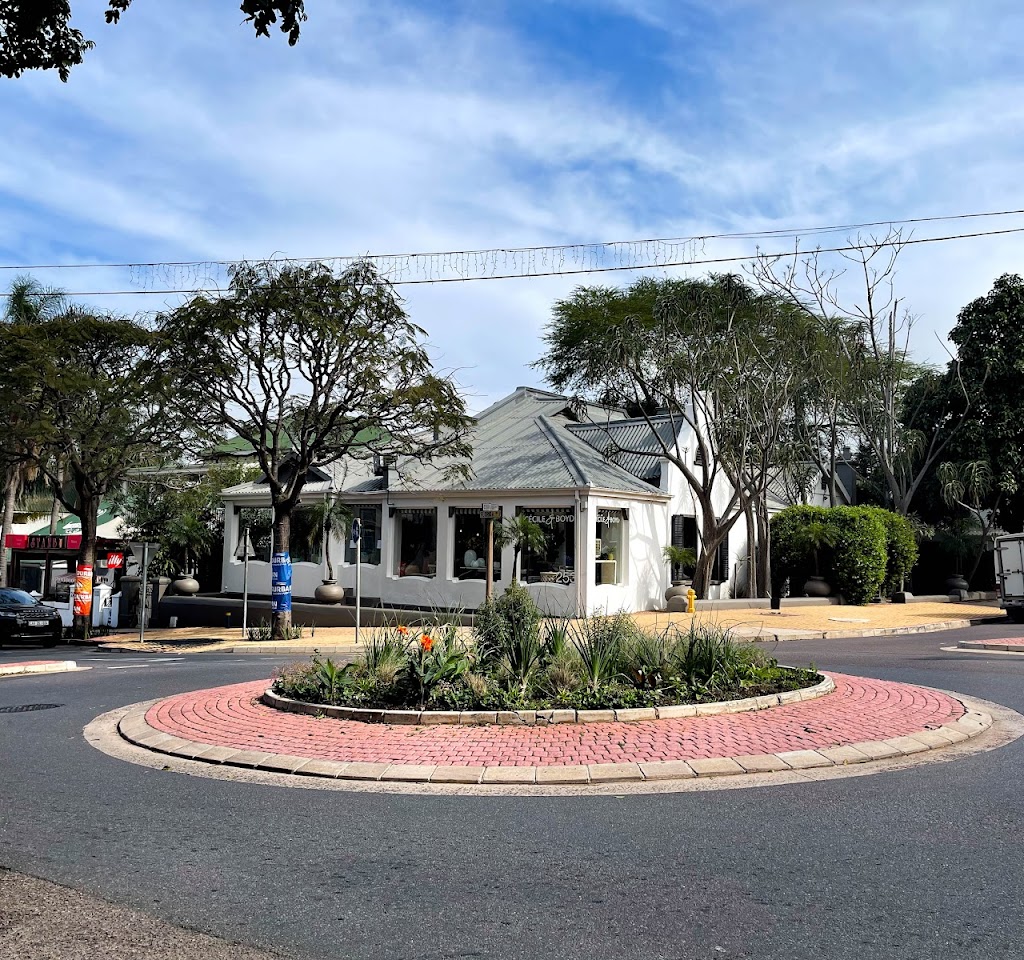
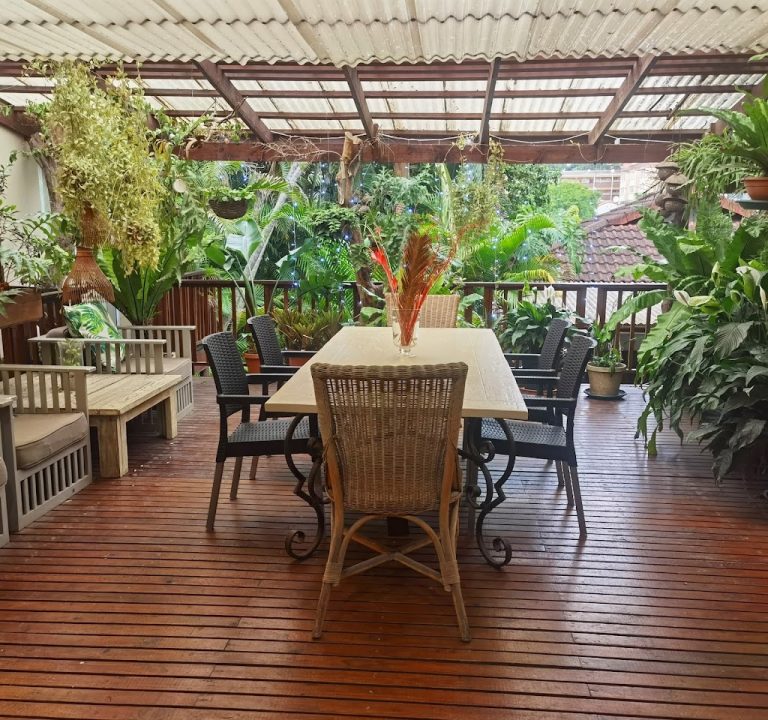
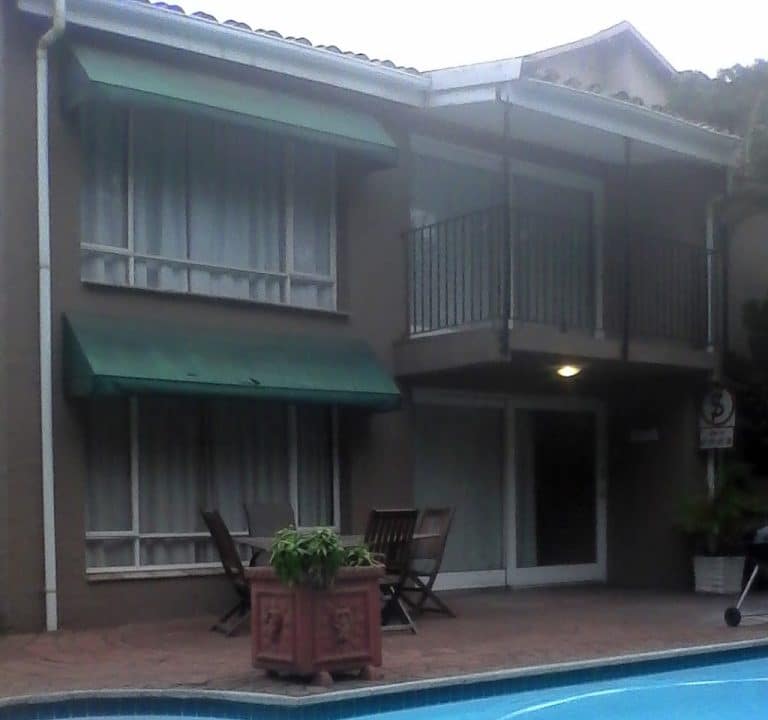
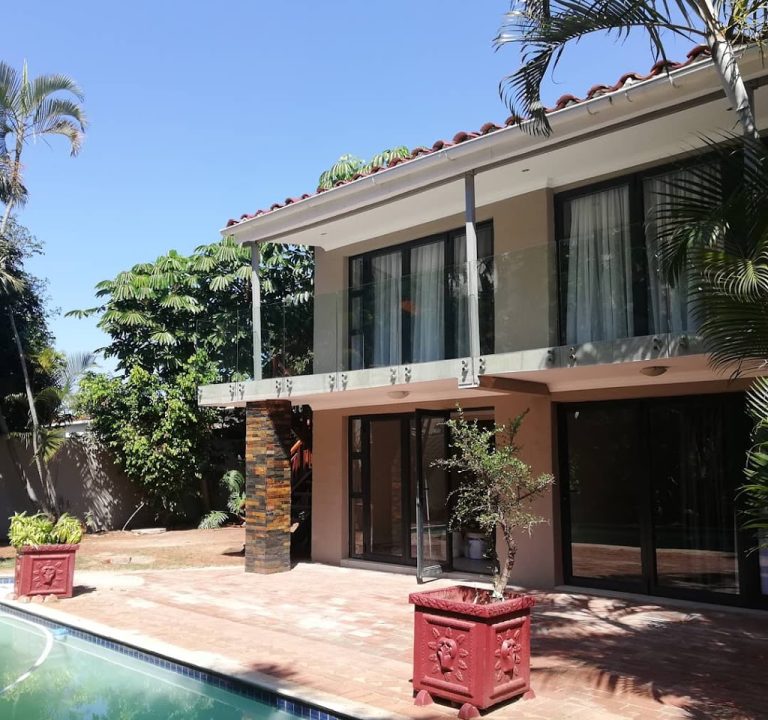
For accommodation, a property such as Glorystar @2Six2 on Florida offers a practical example of a furnished option within a convenient area. Whether you’re travelling solo, as a couple or with family, the right blend of location, space and security makes Durban a welcoming base for exploring KwaZulu‑Natal’s sunlit shores, busy markets and tranquil inland scenery. For more ideas and practical tips on planning your Durban stay, you can explore official tourism information and trusted travel guides online.
- Plan your stay around a few core areas to balance beach time with city sights.
- Prioritise security, parking, and reliable internet when booking.
- Consider a furnished apartment for longer stays or family trips.
- Check transport options and proximity to taxis or rideshare hubs.
- Book with a flexible policy where possible to adapt to weather and plans.