Where to stay and what to do in Johannesburg, Gauteng
Johannesburg, or Jo’burg as it is affectionately known, offers a dynamic mix of creative neighbourhoods, historical sites and modern conveniences. When planning a stay, think about what you want to access most quickly—business hubs, cultural precincts, or quiet residential streets with a hospitable guesthouse atmosphere. The city’s accommodation ranges from guest houses and boutique hotels to self‑catering apartments and larger hotels, catering to different budgets and travel styles.
Popular areas to consider include central and northern districts such as the inner-city and Braamfontein for easy access to museums, galleries and nightlife; Rosebank and Sandton for upscale shopping, dining and business connectivity; and playful, pedestrian-friendly neighbourhoods like Maboneng and Parkhurst for a local flavour with plenty of eateries and markets. Randburg and Randpark offer leafy, calmer stays with convenient transport links to northern suburbs and the city’s business corridors. When choosing where to stay, balance proximity to sites you plan to visit with your preferred pace of travel and safety considerations.
What to look for when booking a place to stay in Johannesburg:
- Safety and access: check the property’s security measures and whether there is 24‑hour reception or on‑site staff, especially if you plan to return late from outings.
- Connectivity and transport: look for nearby public transport options such as bus routes or rail links, or easy access to ride‑hailing services. If you’ll be renting a car, confirm on‑site parking.
- Amenities: reliable Wi‑Fi, air conditioning or heating, a well‑equipped kitchen or kitchenette, and a comfortable workspace if you’re travelling for work.
- Room configuration: consider whether you need a private bathroom, a separate living area, or space for luggage storage.
- Getting value: consider breakfast options, cleaning schedules, and whether the price includes taxes and fees. Look for transparent cancellation policies in case your plans shift.
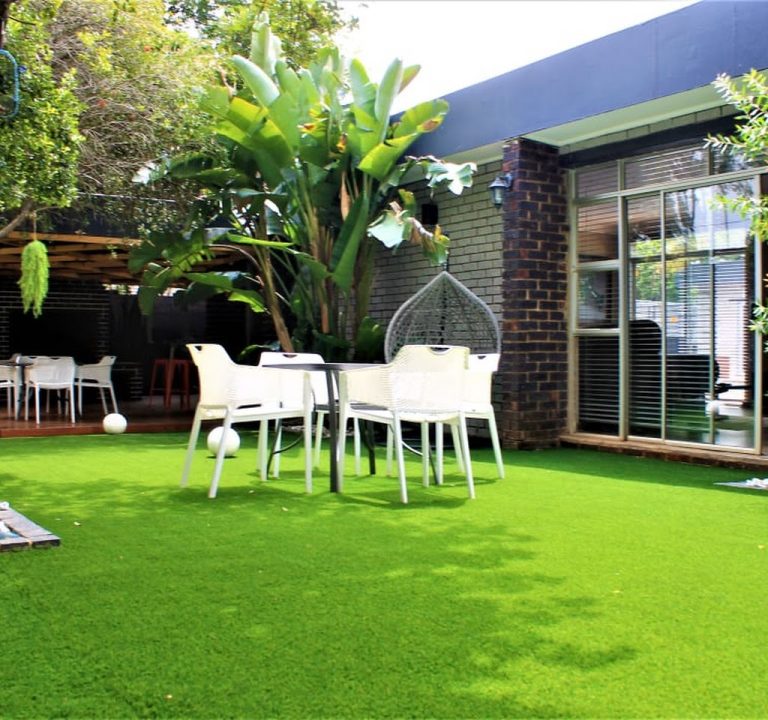
Typical amenities you might encounter include in‑room Wi‑Fi, daily or weekly housekeeping, secure parking, self‑check‑in capabilities, and guest lounges or courtyards. For longer stays, a guest house with a kitchen or kitchenette can offer the most flexibility. If you have mobility considerations, verify accessibility features and the presence of lifts or ground-floor rooms where needed.
Transport and getting around: Johannesburg is a sprawling city, so a little planning goes a long way. If you’re staying in central or northern areas, rideshares and metred taxis are widely available, and some properties offer shuttle services. The Gautrain network is convenient for short trips to Pretoria or the airport region, and many parts of the city are well served by Uber and other services. Consider purchasing a local data plan or ensuring your host provides reliable Wi‑Fi so you can use maps and transport apps without interruption.
Best time to visit: Johannesburg has a mild, subtropical highland climate. The city’s dry winter months (roughly May to August) are popular for comfortable daytimes, cooler evenings and easier outdoor exploring. Summer (October to March) brings warmer temperatures and occasional afternoon showers, ideal for markets, street food, and outdoor events. If you plan to visit the surrounding Gauteng attractions, pacing your days to avoid peak heat or rain is sensible.
Practical tips for a smoother stay:
- Carry a light, breathable jacket for evenings when temperatures drop, even in warmer months.
- Be mindful of safe travel practices, especially in central areas after dark; arrange trusted transport and stick to well‑lit routes.
- Pack a universal adaptor for South Africa’s plug types and keep important documents secure in a waterproof bag or safe.
- Note that some attractions have specific operating hours or discounted entry on certain days; plan in advance and book where possible.
Attractions and experiences in general terms: Johannesburg is rich in history and culture. Visitors commonly explore museums and historical sites that recount South Africa’s past, learn about the country’s diverse communities, and reflect on social changes. The city’s markets and creative districts offer distinctive crafts, fashion, and street food. For a relaxed day, parks and family-friendly venues provide green space and informal entertainment. In addition to iconic sites, numerous galleries, theatres and performance spaces showcase local talent and contemporary storytelling.
Dining and neighbourhood flavours: the city’s dining scene mirrors its diversity. In many areas you can expect a broad spectrum of options—from casual cafés serving hearty breakfasts and light lunches to modern bistros and eateries offering globally inspired menus. Areas dominated by boutique guest houses and small hotels often partner with nearby restaurants to provide guest recommendations, walking routes, and even curated tasting experiences. When staying at a guest house such as Sahara Guest House in Randburg, you might find it useful to consult the property’s link for local dining suggestions and nearby conveniences: Sahara Guest House. Expect a mix of modest bargaining power at local markets, seasonal produce, and a range of dishes styled to suit different tastes.
In summary, a well‑planned Johannesburg stay blends choosing the right area with practical considerations, comfortable amenities, and balanced itineraries. By prioritising safe access, reliable transport, and a comfortable base, you can enjoy a varied and memorable visit to Gauteng’s vibrant heart. And with a thoughtfully selected accommodation—whether a guest house like Sahara Guest House or another city option—you’ll have a solid launchpad for discovering Johannesburg’s diverse attractions and dining experiences.