Johannesburg: accommodation ideas, planning tips and what to do
Johannesburg, or “Joburg” as many visitors know it, is a sprawling city of contrasts where modern hotels sit alongside historic neighbourhood guest houses, and a buzzing cultural scene sits within easy reach of wide-open parks and modern malls. When planning a stay in Gauteng’s largest city, consider a mix of areas that suit your itinerary, pace and budget. Central districts offer quick access to business hubs and museums, while the northern and southern suburbs provide leafy stays, boutique guest houses and a calmer pace, often with safer parking and more residential vibes.
One solid approach is to book a boutique guest house or mid-range hotel in a well-connected neighbourhood close to feeding transport routes. The city has a well-used rail connection (Gautrain) that links the airport, central Johannesburg, and neighbouring towns, along with a network of taxis and rideshailing services. When choosing accommodation, look for secure access, on-site parking if you’re driving, comfortable public spaces, reliable Wi‑Fi, and a helpful front desk that can offer local tips and transport advice. If you’re after a more personalised stay, a guest house or B&B in a residential setting can provide a friendly atmosphere, breakfast options, and guidance on easy daily routes.
For practical planning, decide what you want to do most days. If your focus is the city’s museums, markets and art districts, staying in central Sandton, Rosebank, Bruma, or the Maboneng precinct can be convenient. If your itinerary includes day trips or a slower pace, a stay in the northern suburbs with easy access to highways can cut travel time and feel more relaxed. When budgeting, expect a range from comfortable mid-market options to unique boutique stays. Always confirm inclusion of essential amenities—air conditioning or heating, a quiet room, sufficient power outlets, and a secure area for your luggage if you are arriving early or departing late.
Typical amenities to look for include: a clean en-suite bathroom or easy access to shared facilities, daily housekeeping, reliable hot water, a coffee or tea station, and straightforward breakfast arrangements. Some properties offer self-catering facilities or courtesy bicycles for short rides around safe neighbourhoods. If you’re planning to work remotely, check for a dedicated workspace or a cosy lounge with good lighting and power access. For families, request child-friendly spaces, cots or high chairs, and clear information about parking and safety in the area.
Time of year can influence your plans. Johannesburg has a temperate climate with a mild winter and a warm summer. The dry season (roughly May to September) often brings clearer days and cooler evenings, ideal for outdoor explorations and early morning safaris in nearby parks. The wet season can bring afternoon thunderstorms. Pack layers, a light rain jacket, and comfortable walking shoes for urban explorations, markets, and parks. If you’re visiting for business or events, align your stay with conference or exhibition schedules and book in advance to secure preferred options.
Where to stay is only part of the equation. Exploring Johannesburg also means sampling the city’s broad culinary landscape and its open-air markets, cafes, and restaurants that range from casual eateries to refined dining rooms. In addition to satisfying meals, many venues offer showcases of local producers and seasonal ingredients. When planning meals away from your base, consider a mix of neighbourhood bistros, casual diners, and more polished dining rooms to experience different moods and price points. Always check opening hours and whether a venue requires reservations, particularly on weekends or during events.
In terms of experiences, Johannesburg offers a blend of cultural, historical, and outdoor activities. You might explore important historical sites and museums to learn about South Africa’s complex past, stroll through vibrant districts with street art and design studios, or enjoy expansive parks and scenic viewpoints. For a sense of local life, consider a guided heritage walk or a market visit to understand food, crafts, and daily rhythms of the city. If you’re drawn to wildlife or nature, day trips to nearby nature reserves or parks can provide a welcome contrast to the urban scene. For families or groups, many guest houses can help arrange friendly itineraries that balance discovery with downtime at your accommodation.
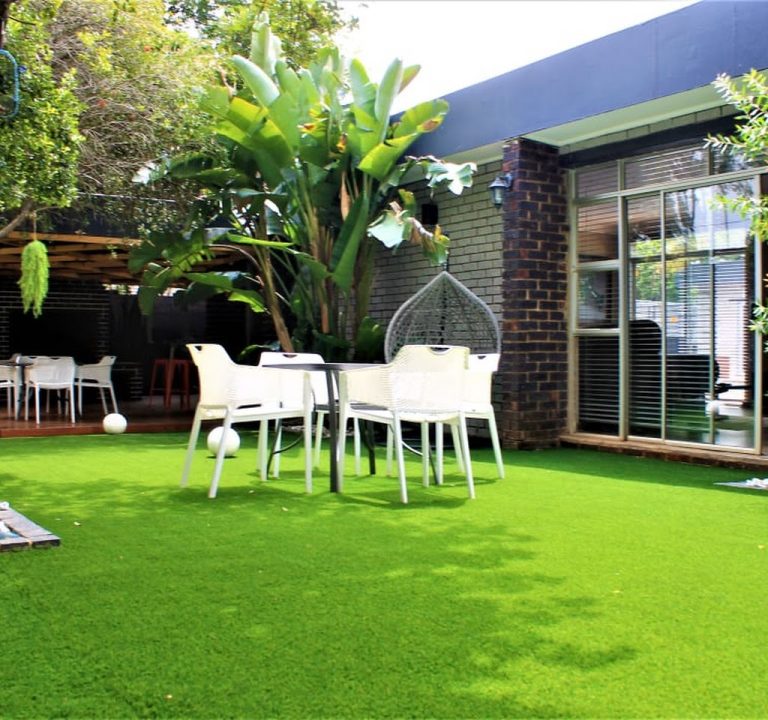
Kayamina Guesthouse is an example of the many guest house options in Johannesburg that aim to offer a comfortable base with a personal touch. While the specific facilities can vary, guest houses of this kind often emphasise a home-from-home ambience, straightforward access to transport links, and a neighbourhood feel that makes it easy to step outside for a morning coffee, a stroll, or a short drive to local sights. When researching a property like Kayamina or similar stays, read recent guest reviews and confirm what is included in your rate, such as breakfast service, parking arrangements and accessibility to the areas you plan to visit.
- Choose a district that aligns with your activities and offers safe, convenient transport links.
- Check for secure parking, reliable Wi‑Fi, and helpful staff or hosts who can tailor recommendations.
- Ask about breakfast options and dining arrangements if you prefer an in-house start to the day.
- Consider the balance between proximity to major sights and the character of the neighbourhood for evenings.
Finally, practical tips: book in advance during peak seasons, especially if you have specific dates for business or events. Confirm the check-in process and any security requirements for access after hours. Prepare a short list of distances to places you want to visit and note whether the property can help with public transport or private transfers. By choosing a well-positioned base, you can minimise transit time and maximise your time exploring Johannesburg’s vibrant culture, diverse dining scene and welcoming guest houses—every stay adding a new layer to your Gauteng experience.